How to Identify Real Ambergris
This expert guide walks you through the 8 checks we use to tell genuine ambergris from common beach lookalikes — appearance, texture, smell, density, and more — with real specimen photos and videos from 4,678 assessments.


In-Depth Breakdown
Use the checklist below for a closer look at each sign.
Here's a detailed checklist.
Simple ways to check your find.
Visual Appearance
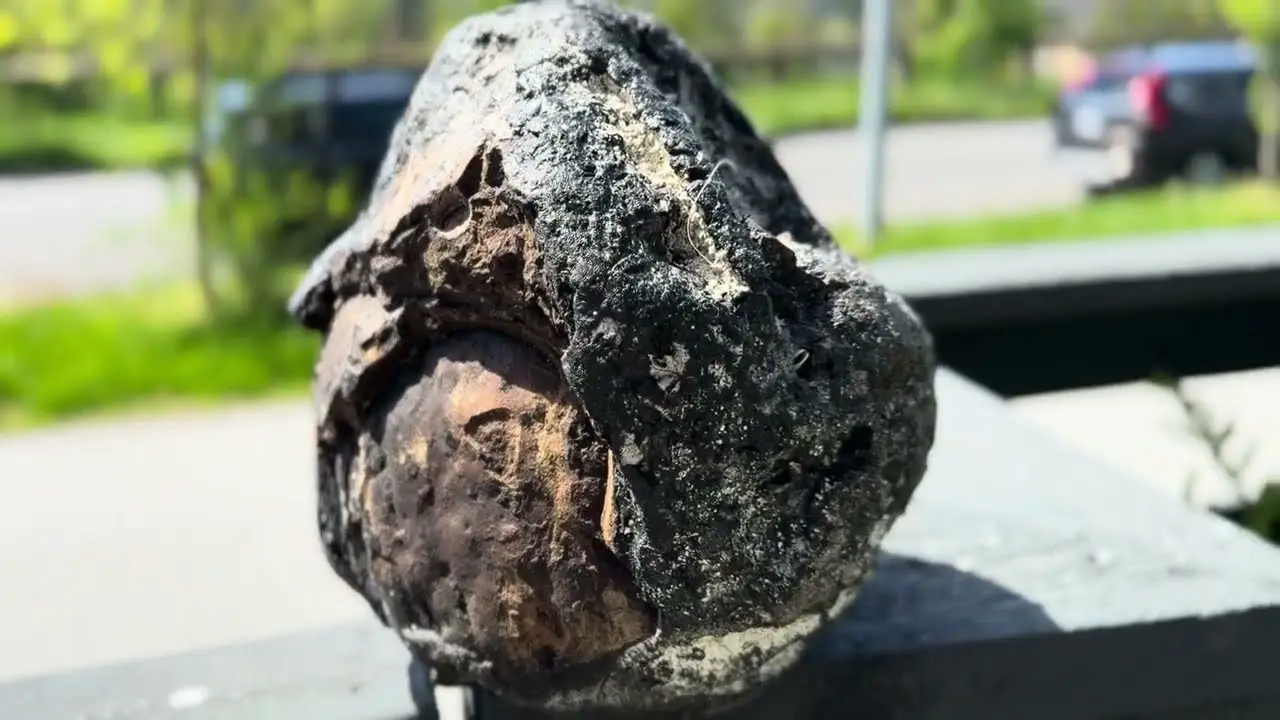
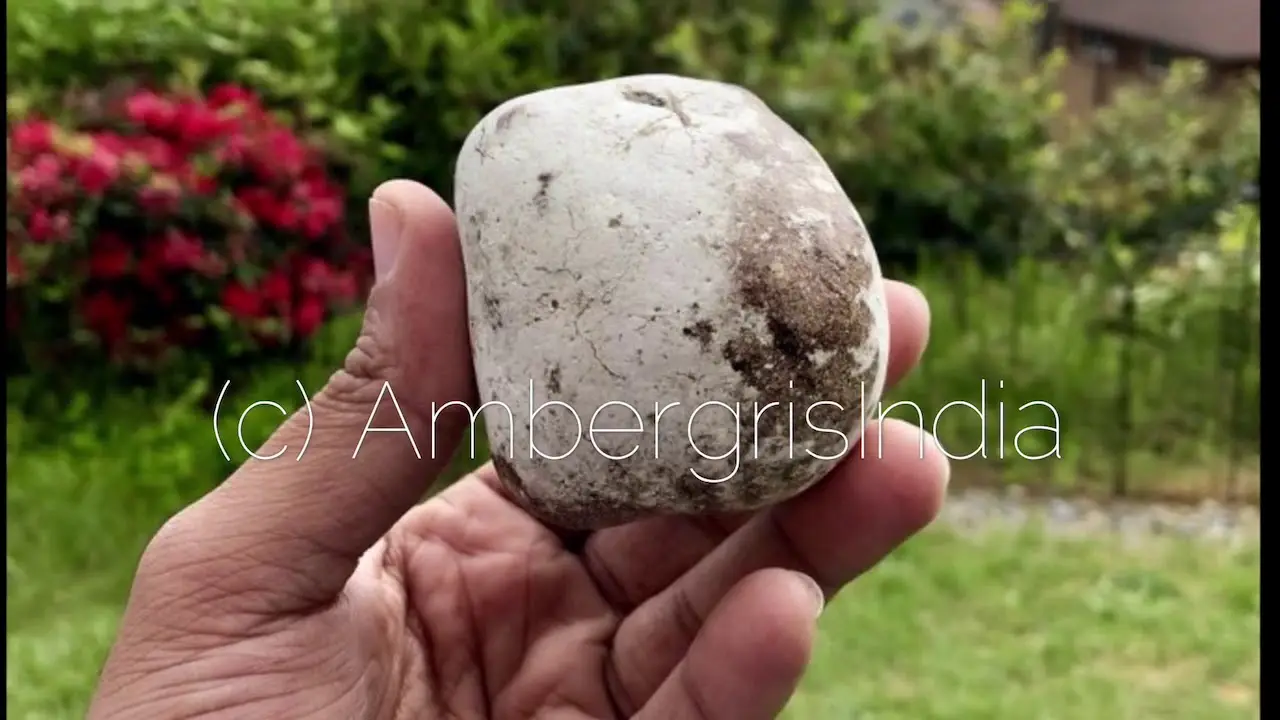
- Color ranges from black to gray to white
- Texture feels like running your fingers across a biscuit - not waxy, smooth, or soap-like
- May have squid beaks or other debris embedded
- Has a matte finish, not glossy or marbled
- Soft black ambergris is gooey, sticky, slimy, and has a strong pungent smell
Texture & Temperature
- Feels waxy and slightly soft when warm
- Becomes harder in cold temperatures
- Should feel lighter than rocks of similar size
- May leave a waxy residue when rubbed
Smell Test
- Fresh ambergris may smell fishy or fecal
- Aged ambergris has a sweet, earthy aroma
- When heated, it should smell pleasant and musky
- The scent becomes stronger when warmed
Density Test
- Ambergris floats in saltwater
- It should feel lighter than expected
- Specific gravity is less than seawater
- Genuine ambergris rarely sinks completely
⚠️ Important Warning
Never leave your ambergris submerged in seawater or freshwater. The material will absorb moisture, which can damage its special properties and reduce its value.
Common Items Mistaken for Ambergris
Many beach finds are incorrectly identified as ambergris. Here are the most common items that are often confused with genuine ambergris:
- Palm oil or vegetable fat (too soft, wrong smell)
- Tree resin or tar (too hard, chemical smell)
- Pumice stone (too light, no waxy texture)
- Whale blubber (decomposes quickly, different texture)

Verify Ambergris with AI
Trained on thousands of ambergris images and 20 years of knowledge and expertise.
Examples of Authentic Ambergris
See what genuine ambergris looks like. We've handled thousands of authentic pieces over 20 years.
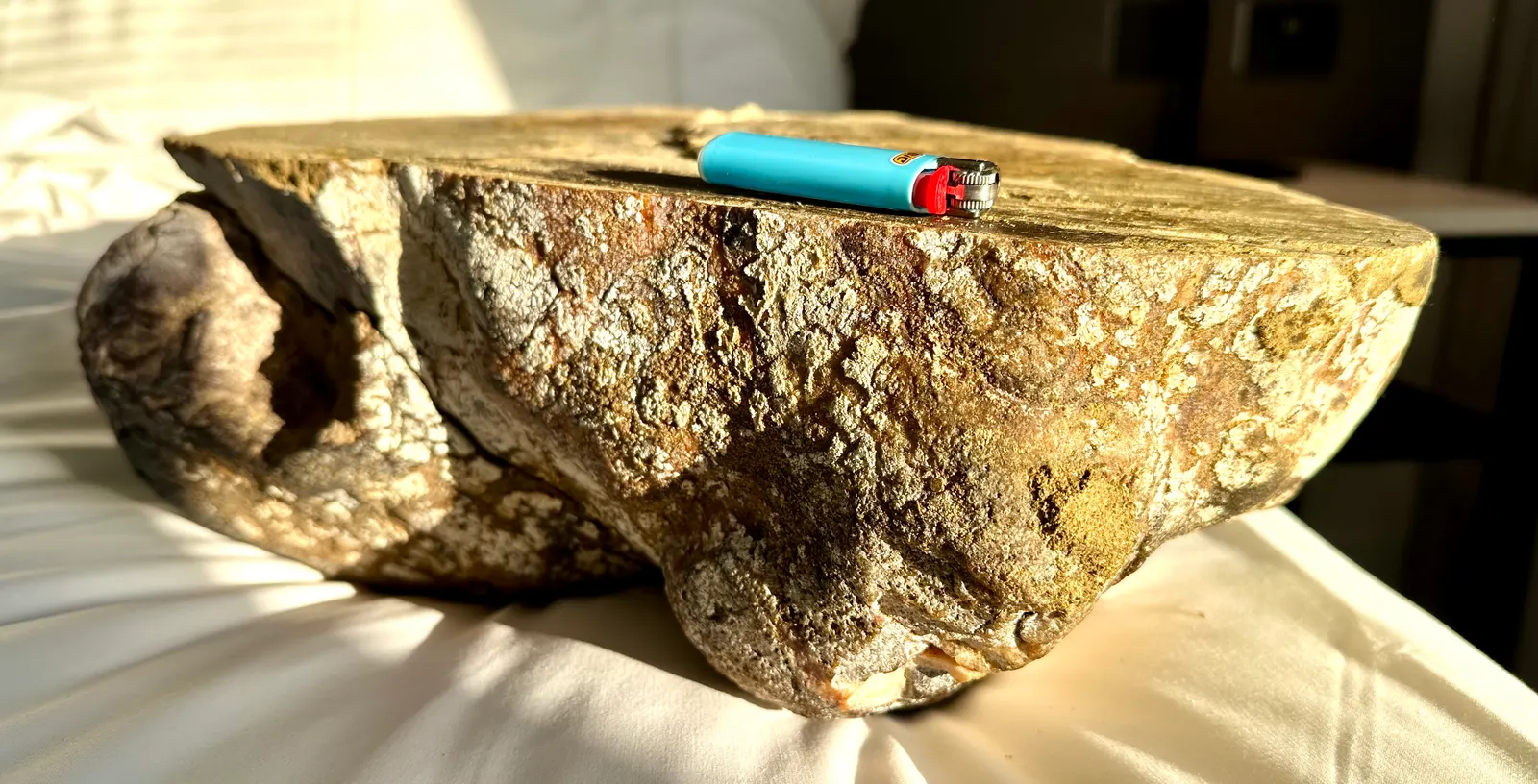
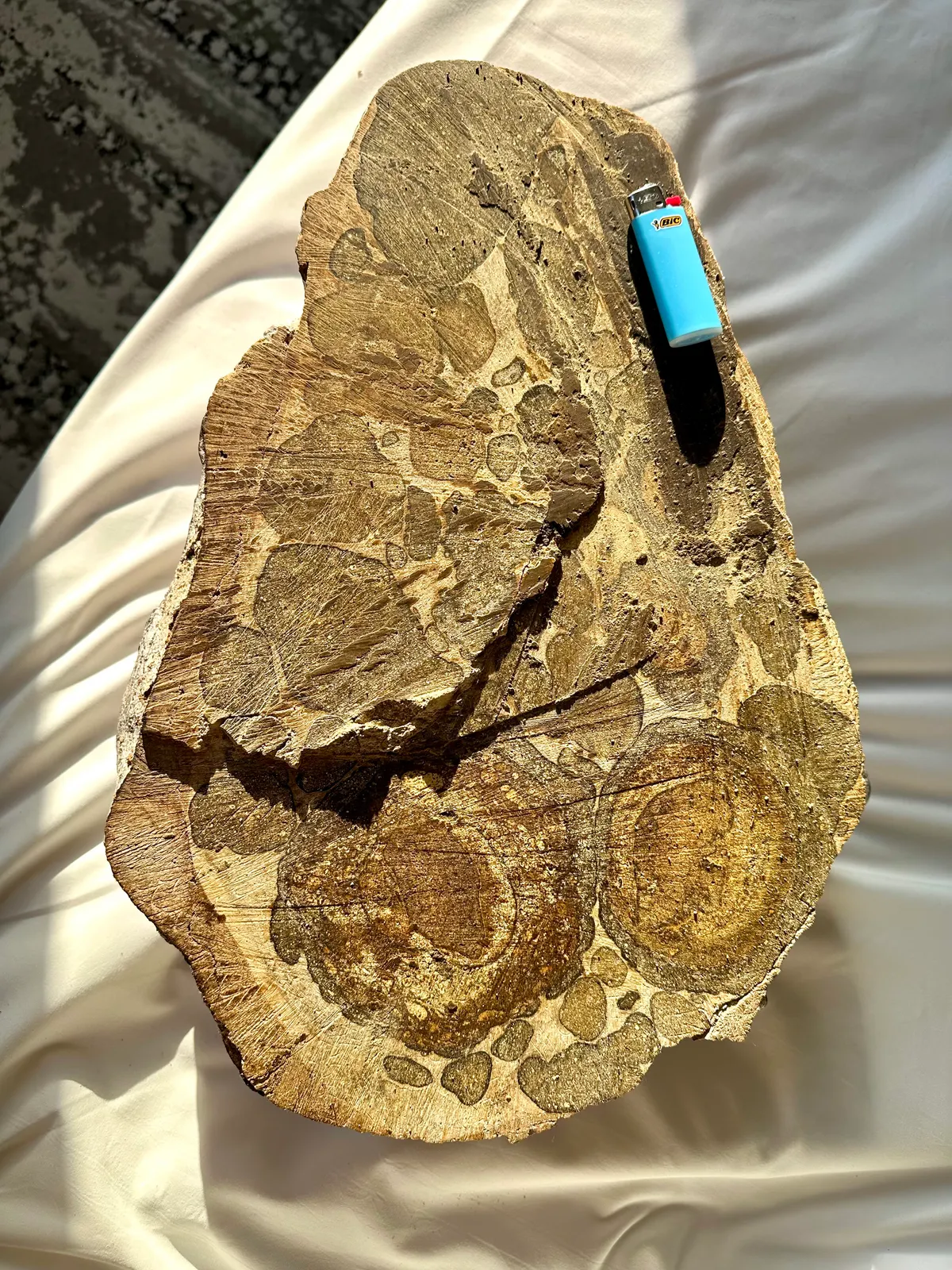
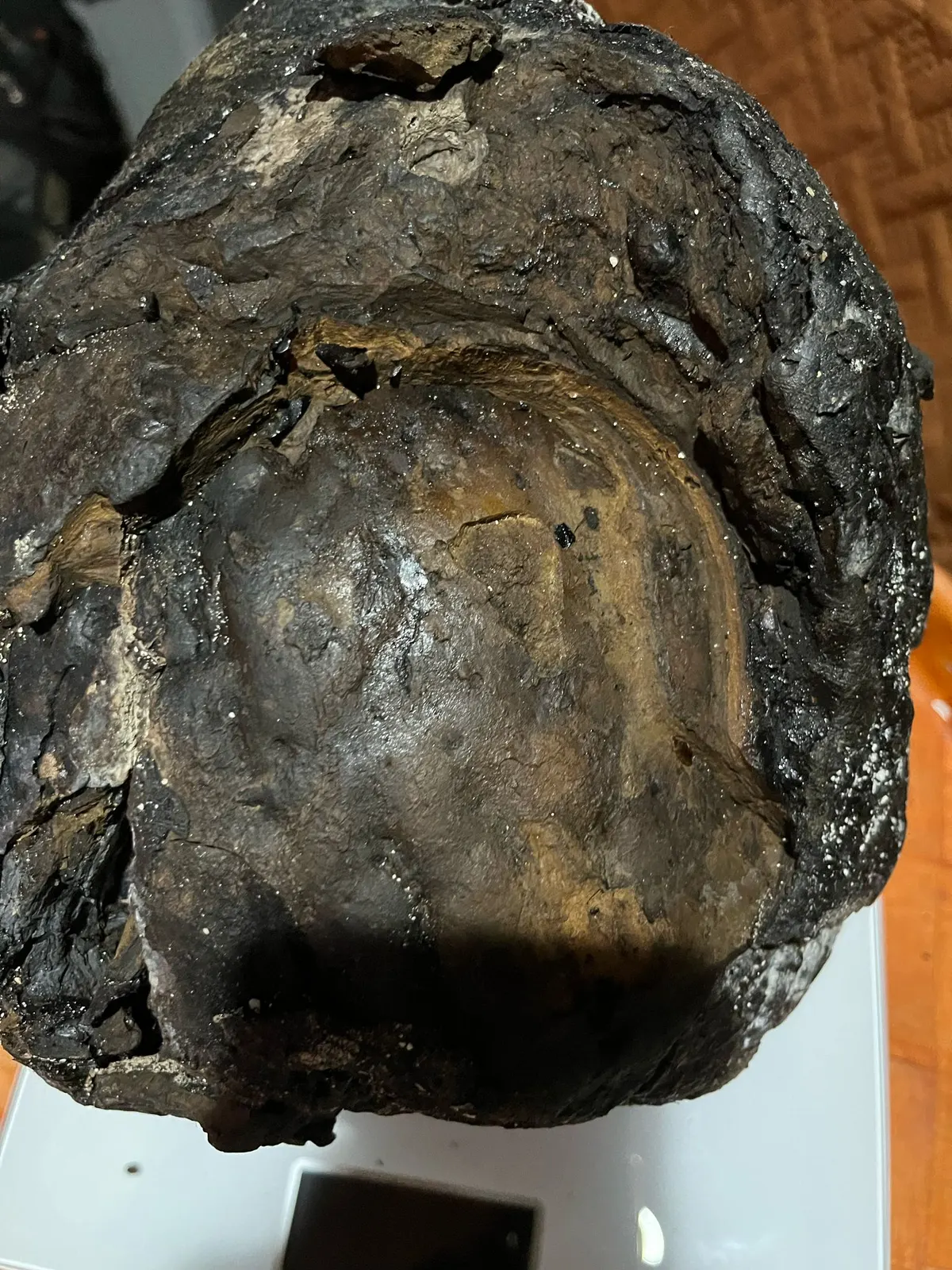
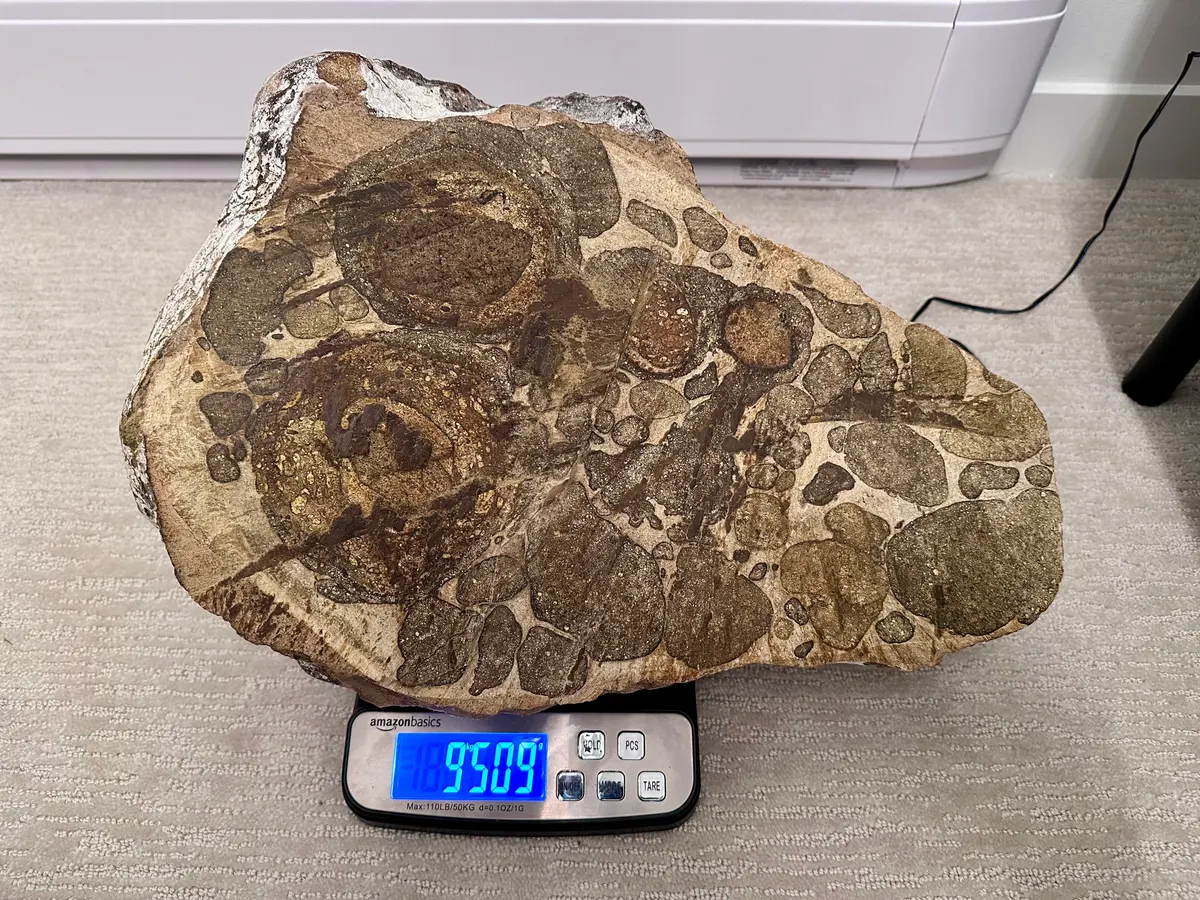
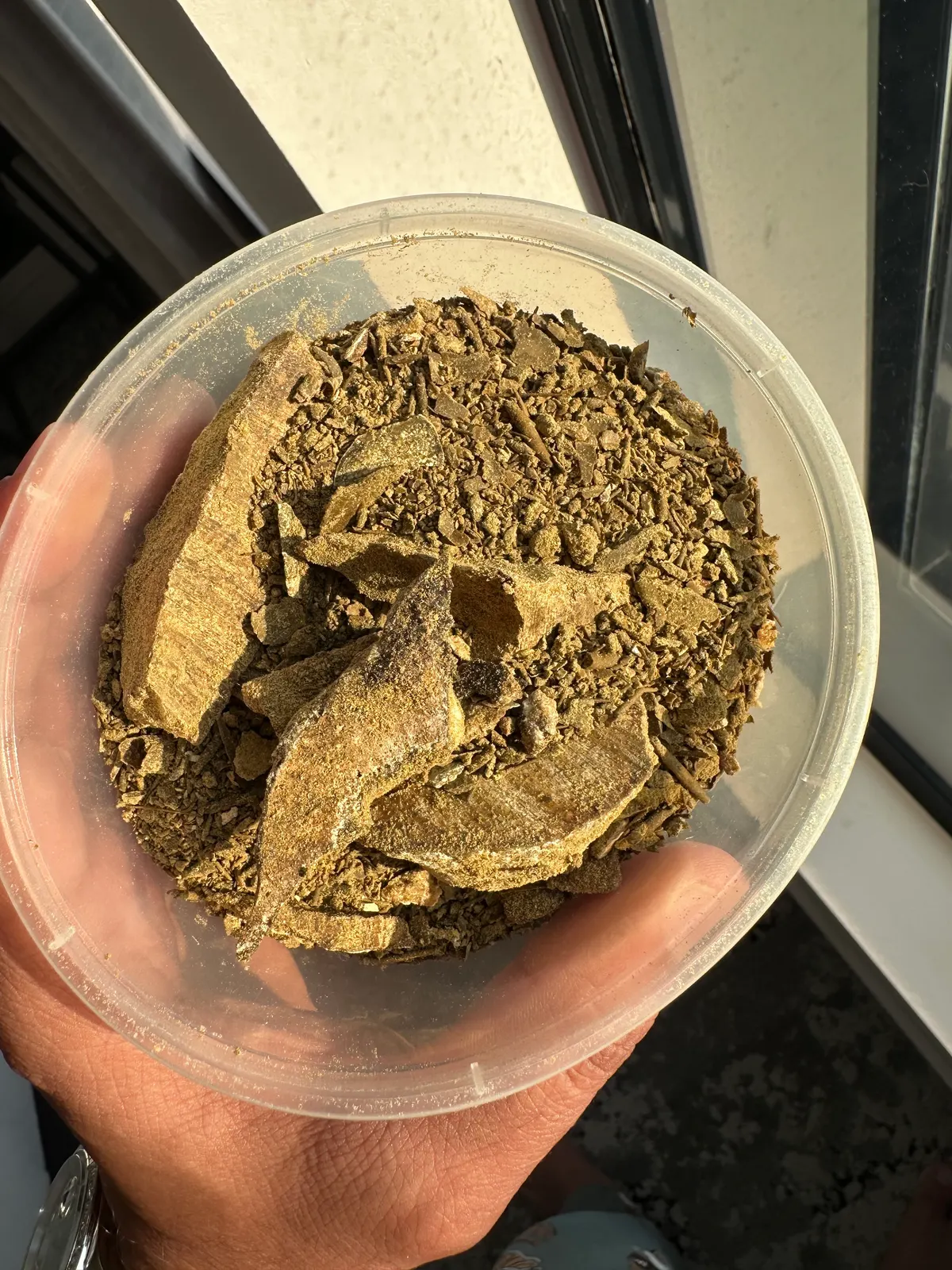
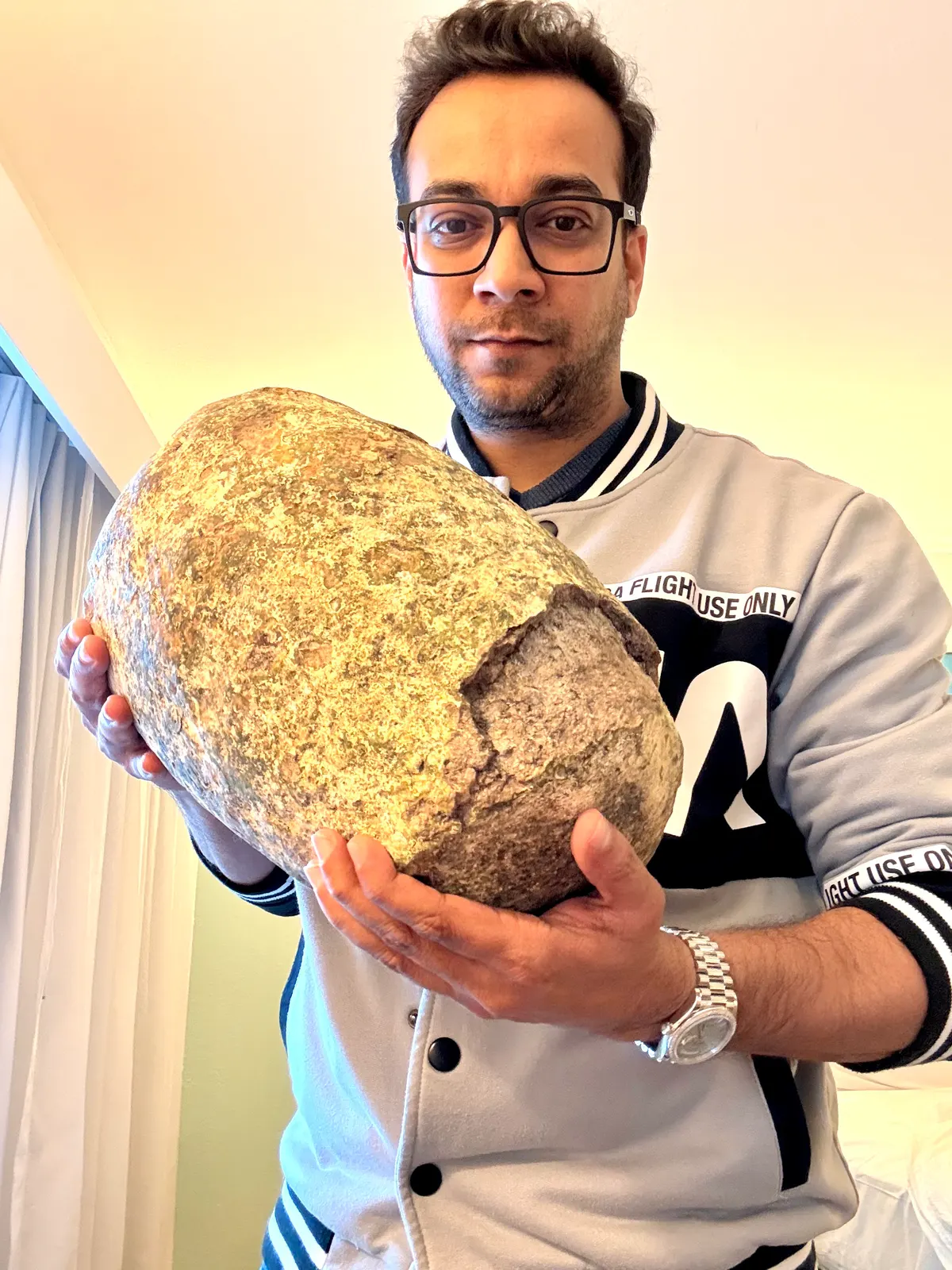
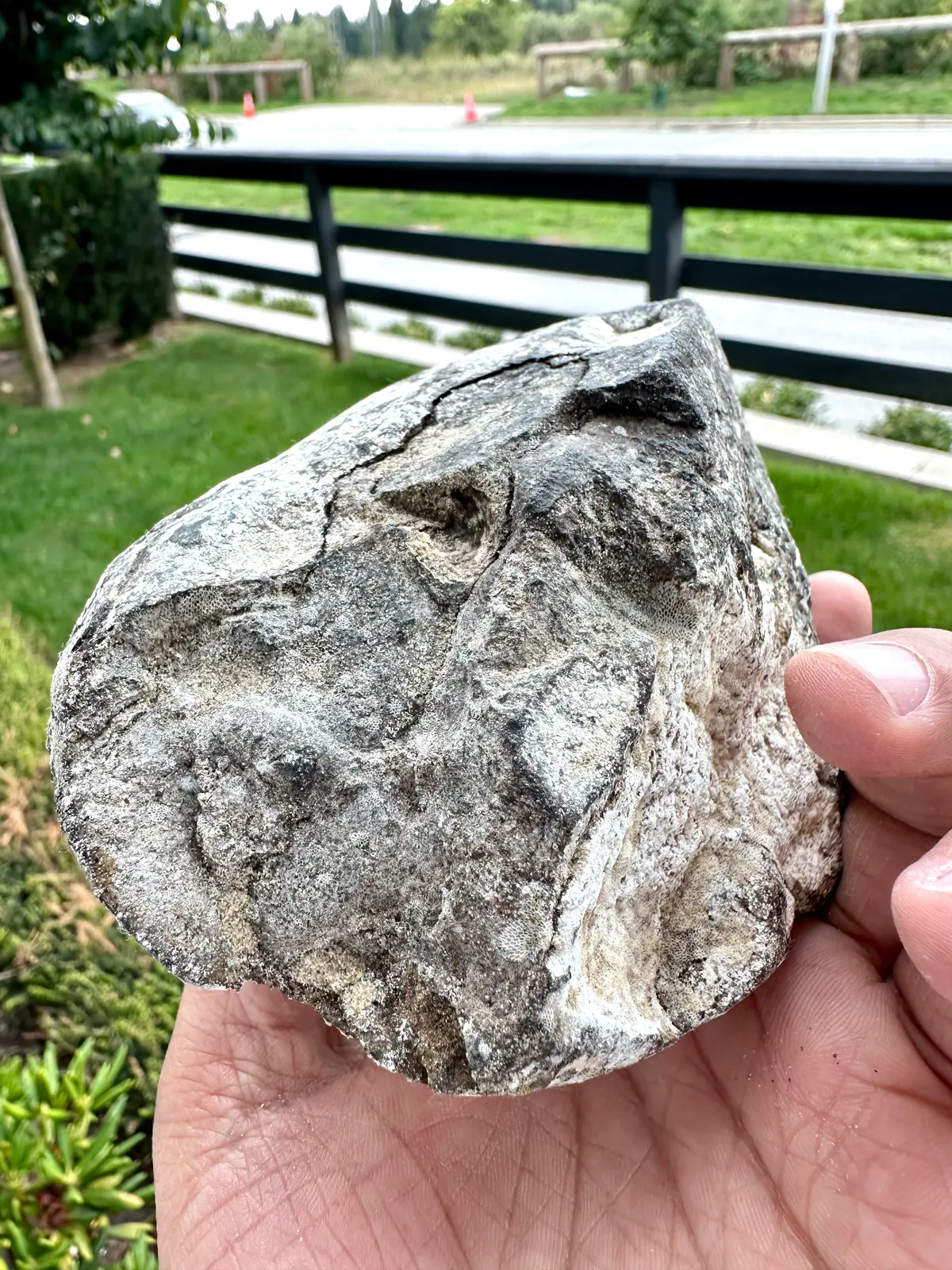
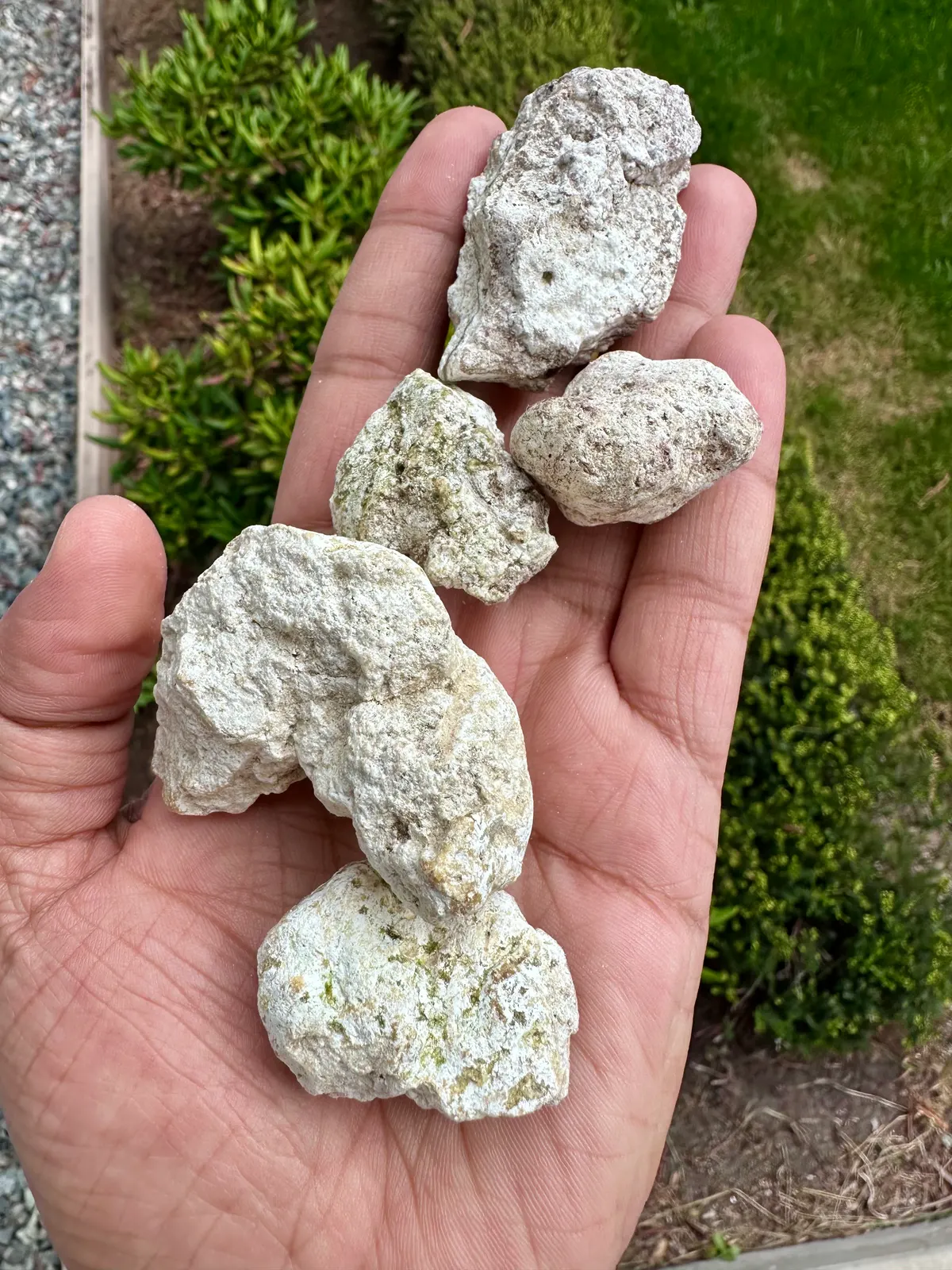
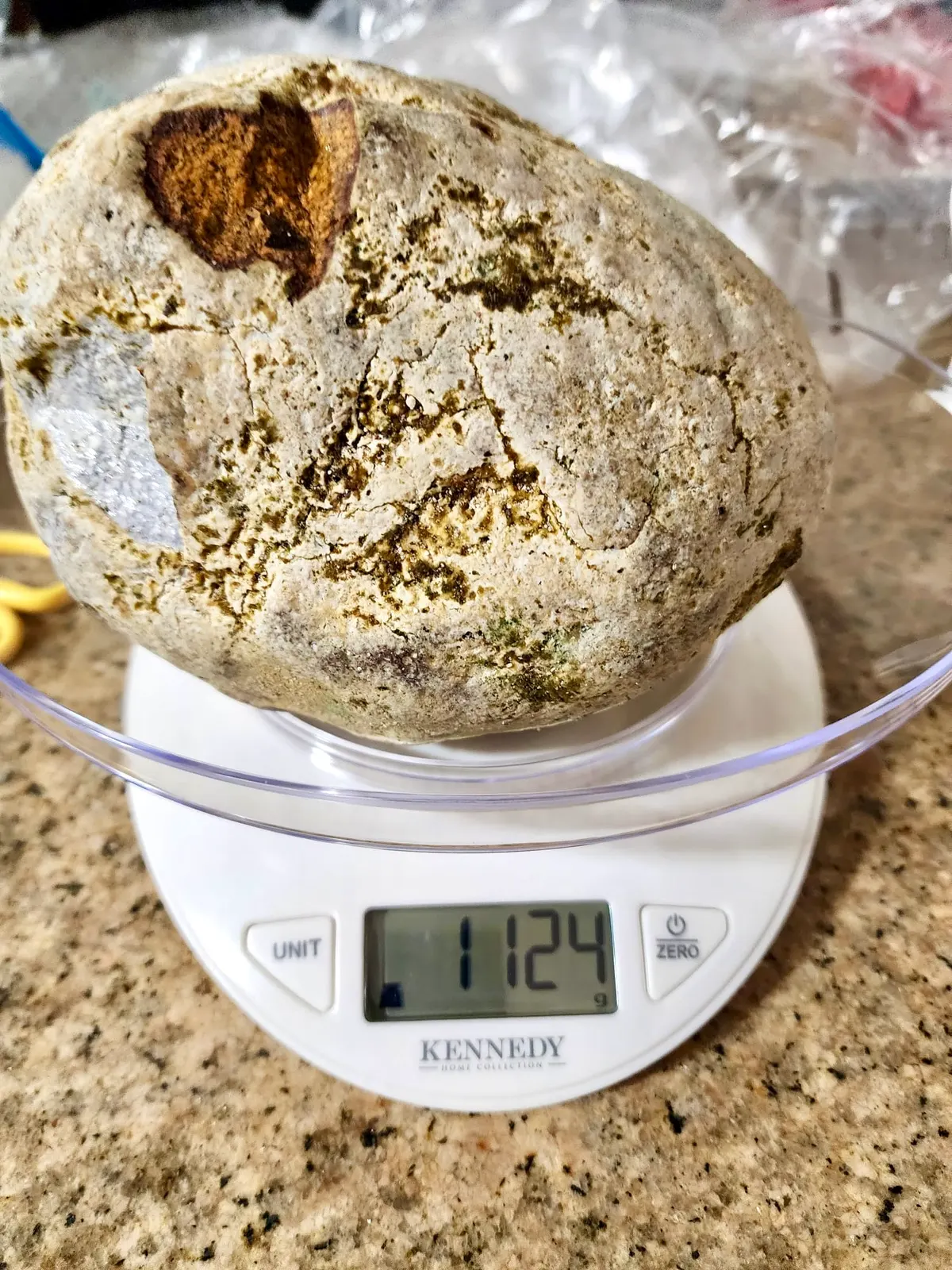
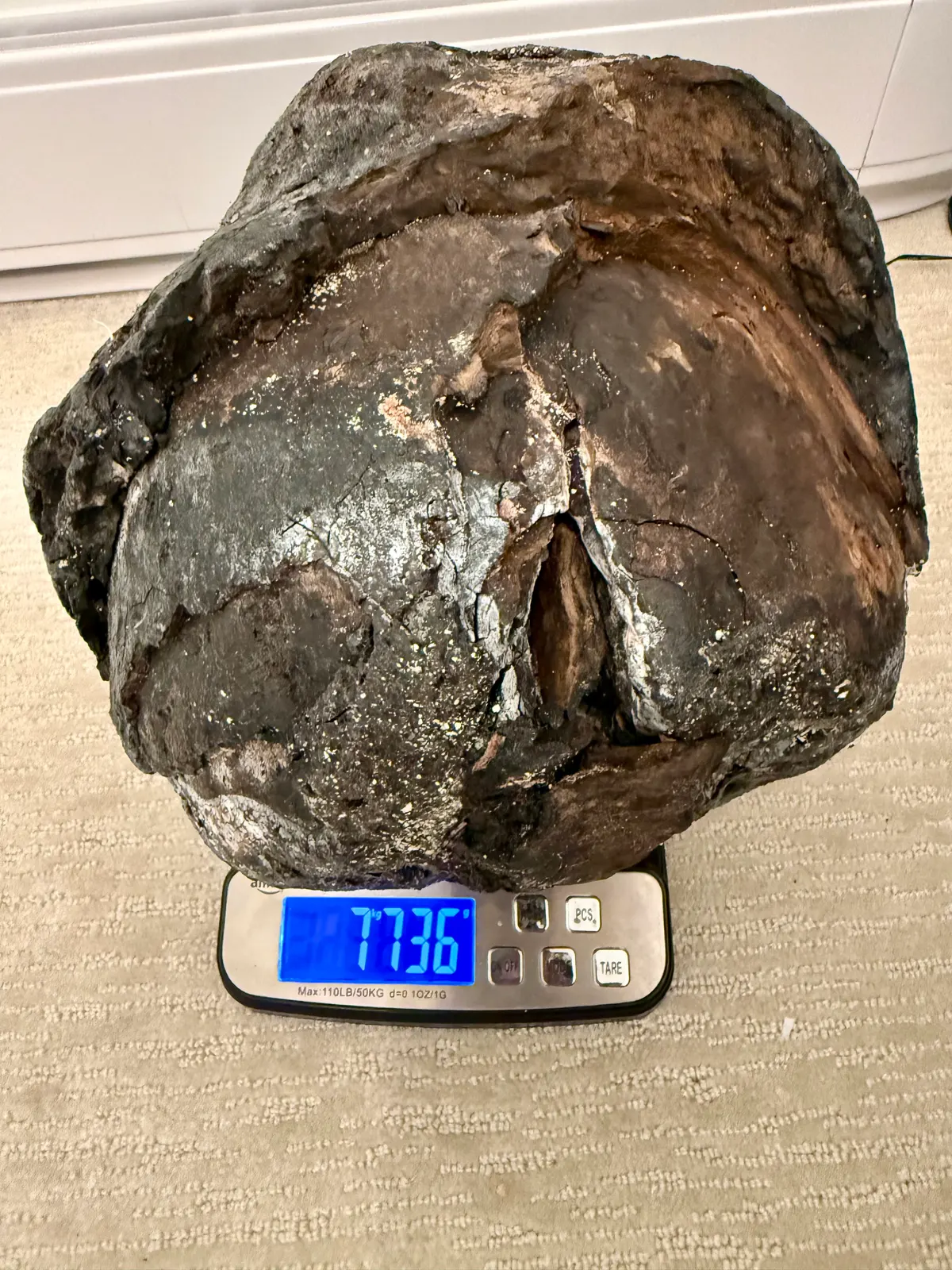
Each piece is unique and authenticated by our expert team with 20 years of experience.
Learn from Expert Videos
Watch our detailed guides to understand what real ambergris looks, feels, and smells like.
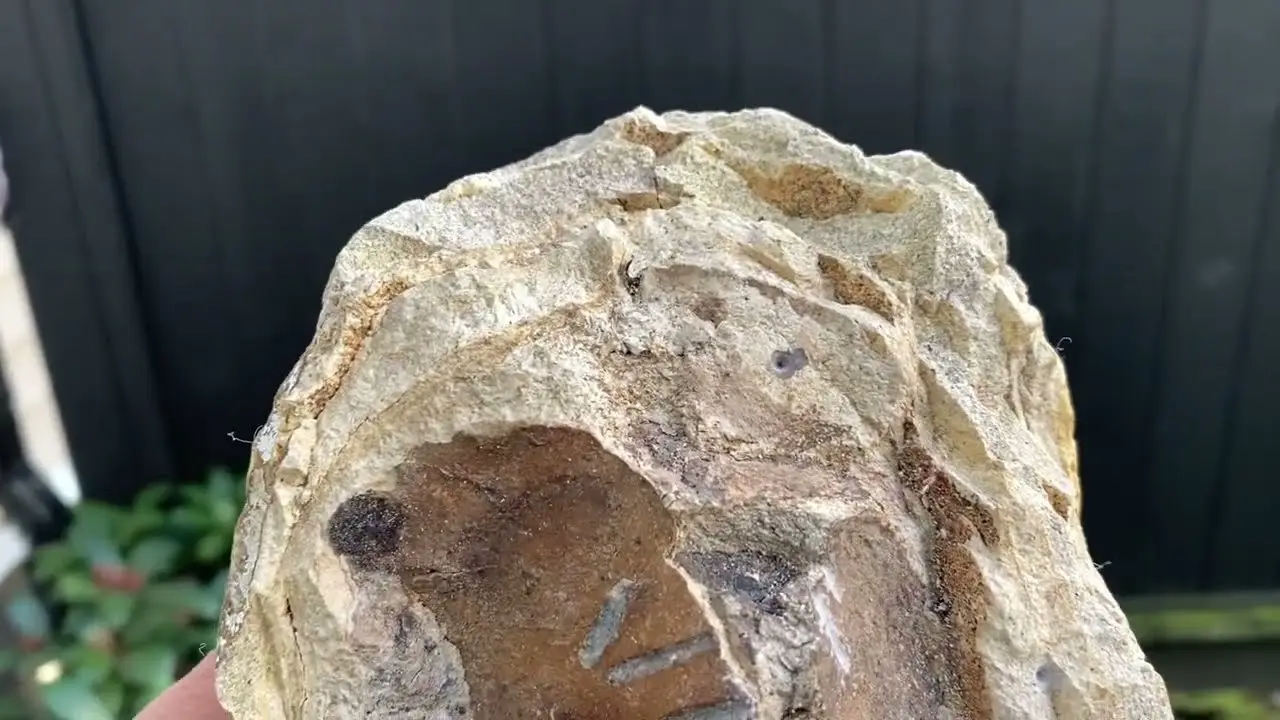

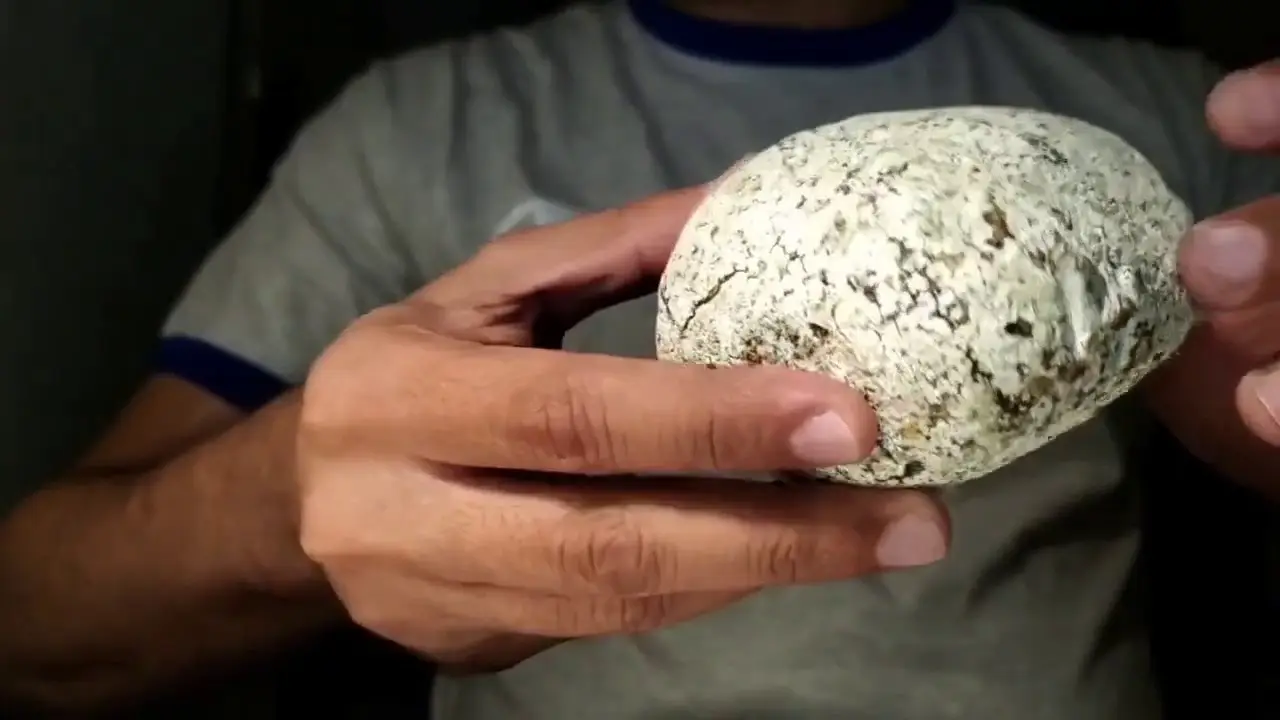
Swipe to explore our expert video guides. Learn from 20 years of ambergris trading experience.
Get Professional Evaluation
Still not sure if you've found real ambergris? We also provide free professional evaluation. Send us high-res photos and details for an initial assessment.
Pro Tip #1
Real ambergris becomes more fragrant when gently heated
Pro Tip #2
Genuine ambergris floats in saltwater but may sink in freshwater
⚠️ Important Warning
Never leave your ambergris submerged in seawater or freshwater. The material will absorb moisture, which can damage its special properties and reduce its value.
Pro Tip #3
Look for squid beaks or other sea debris embedded inside
Frequently Asked Questions
Quick answers about identifying and selling ambergris.