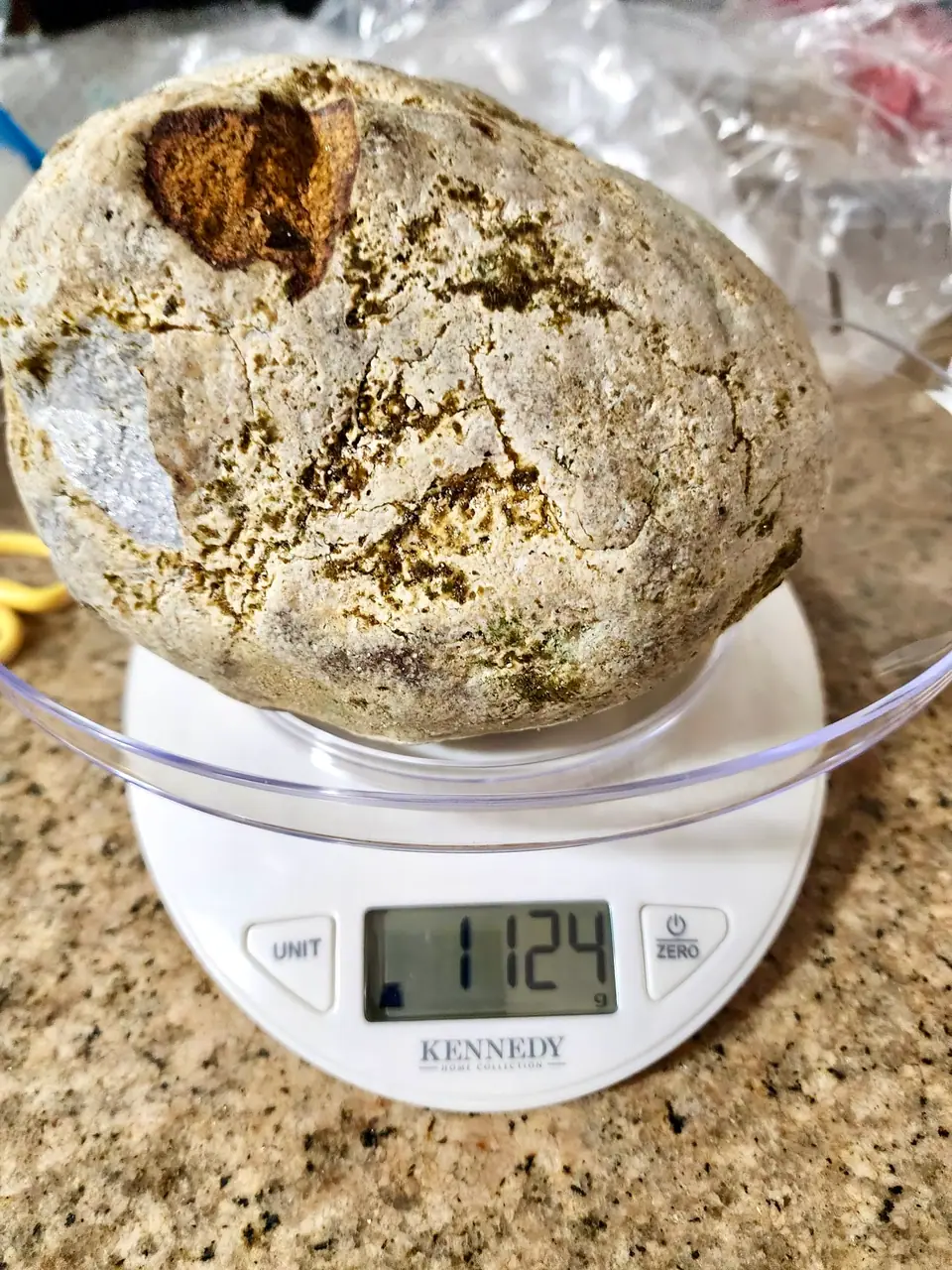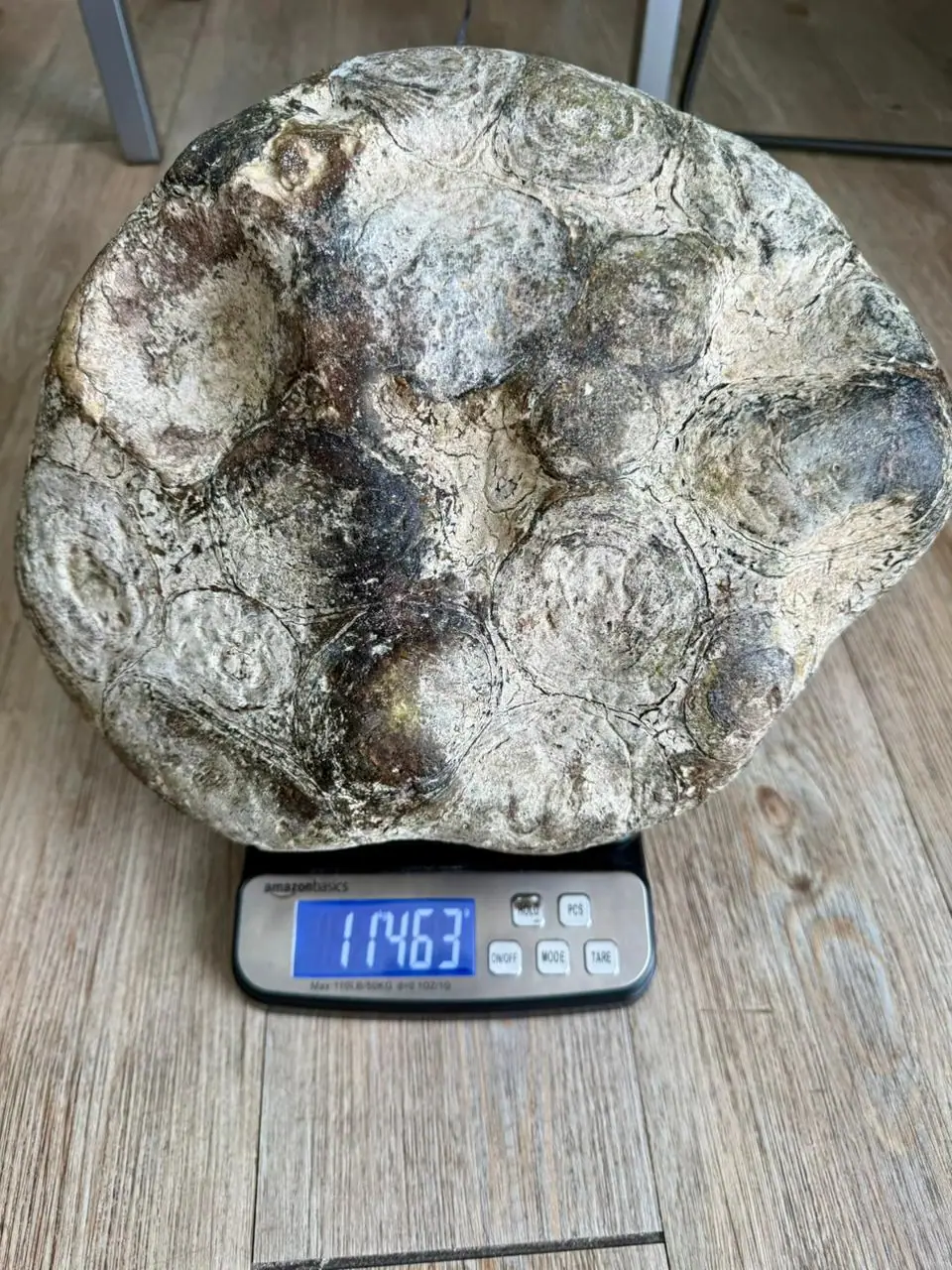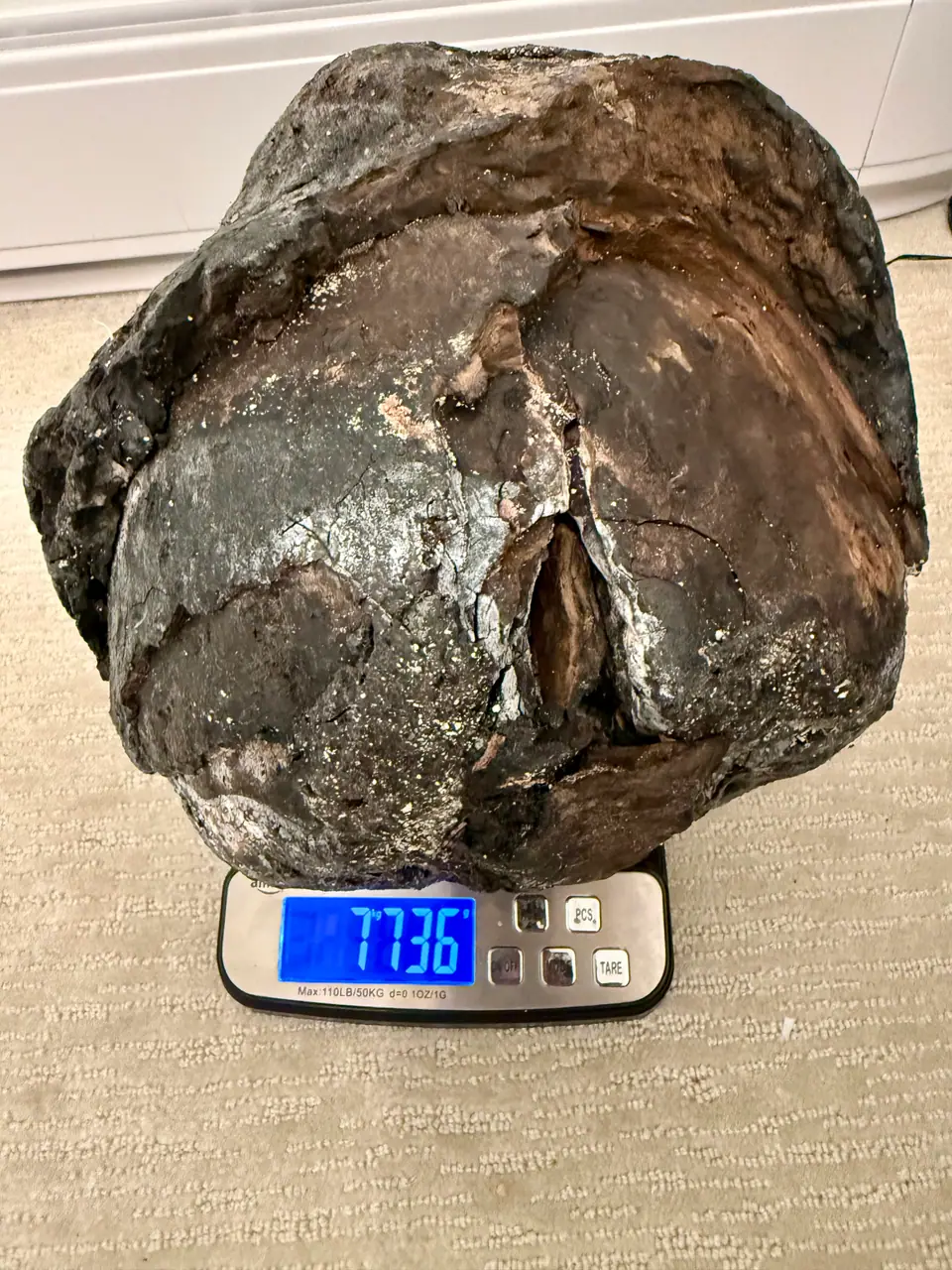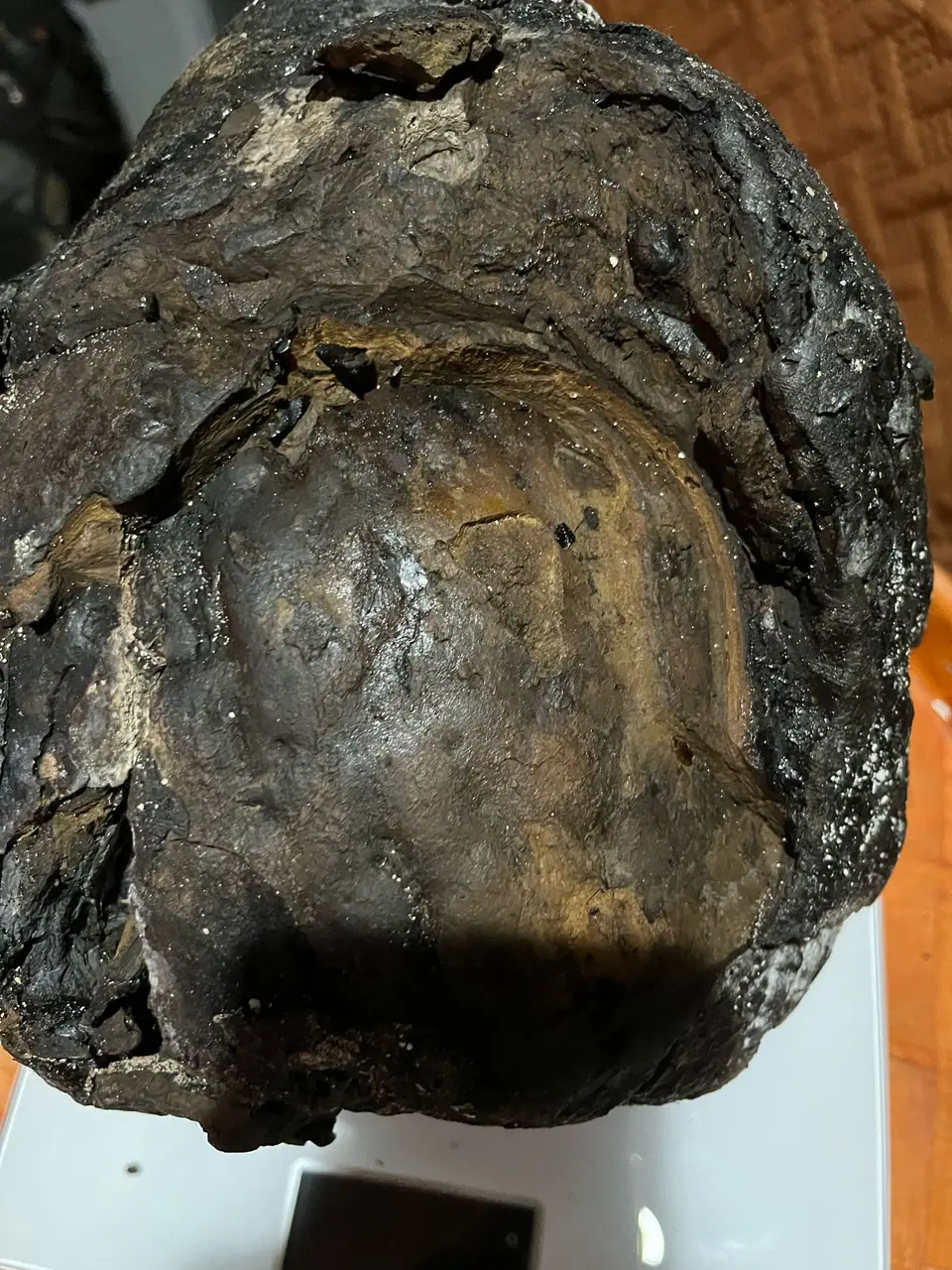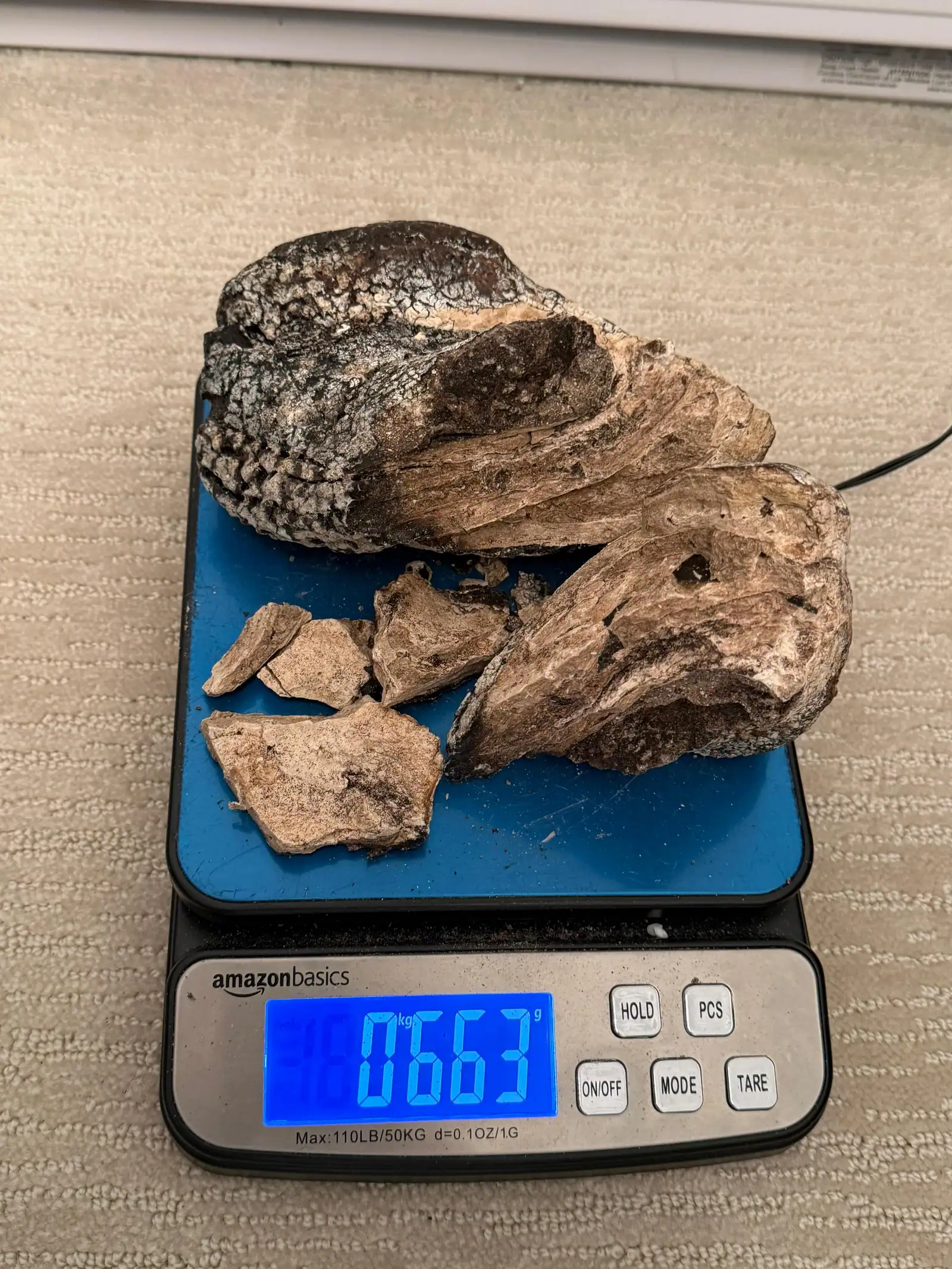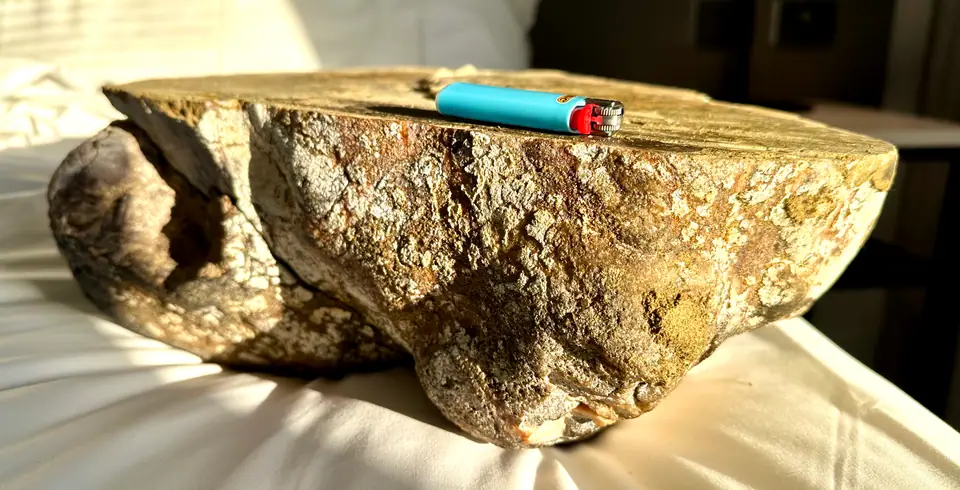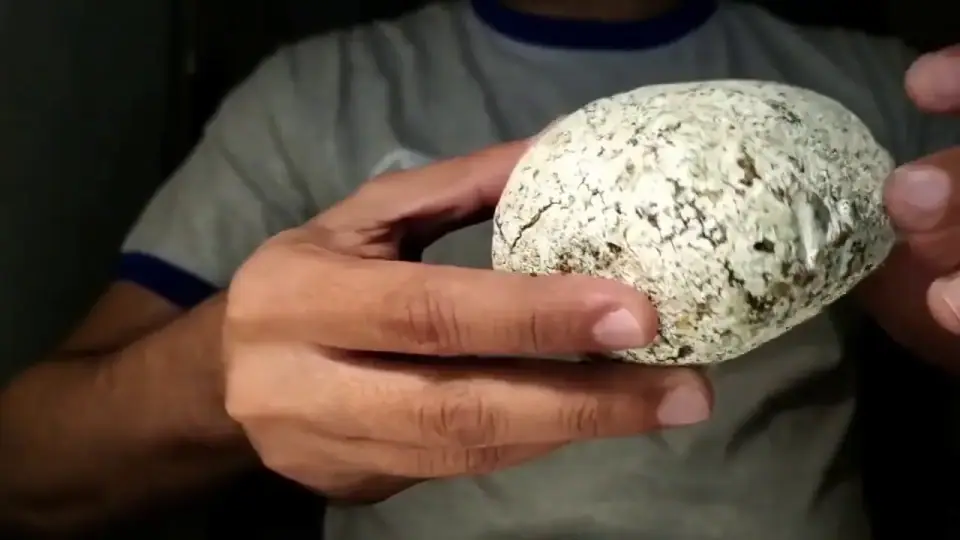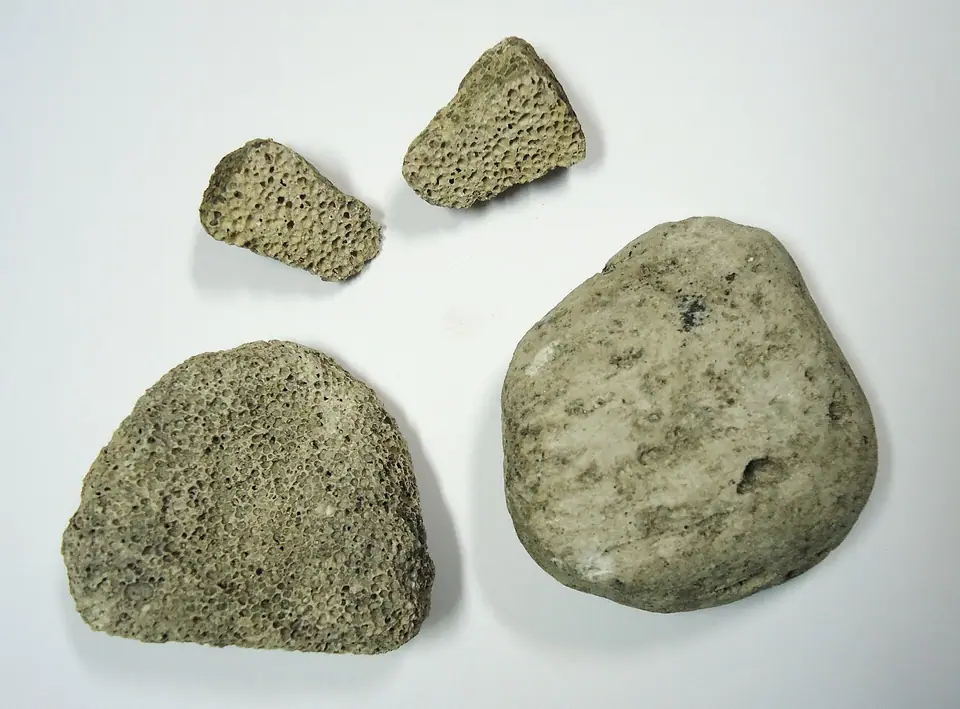
Pumice
Looks like ambergris because:It's light, and grey, tan or white.
But check this:Very porous and full of holes. No waxy feel, no musky smell.
Photo: Mauro Cateb, Wikimedia Commons, cropped, CC BY-SA 3.0
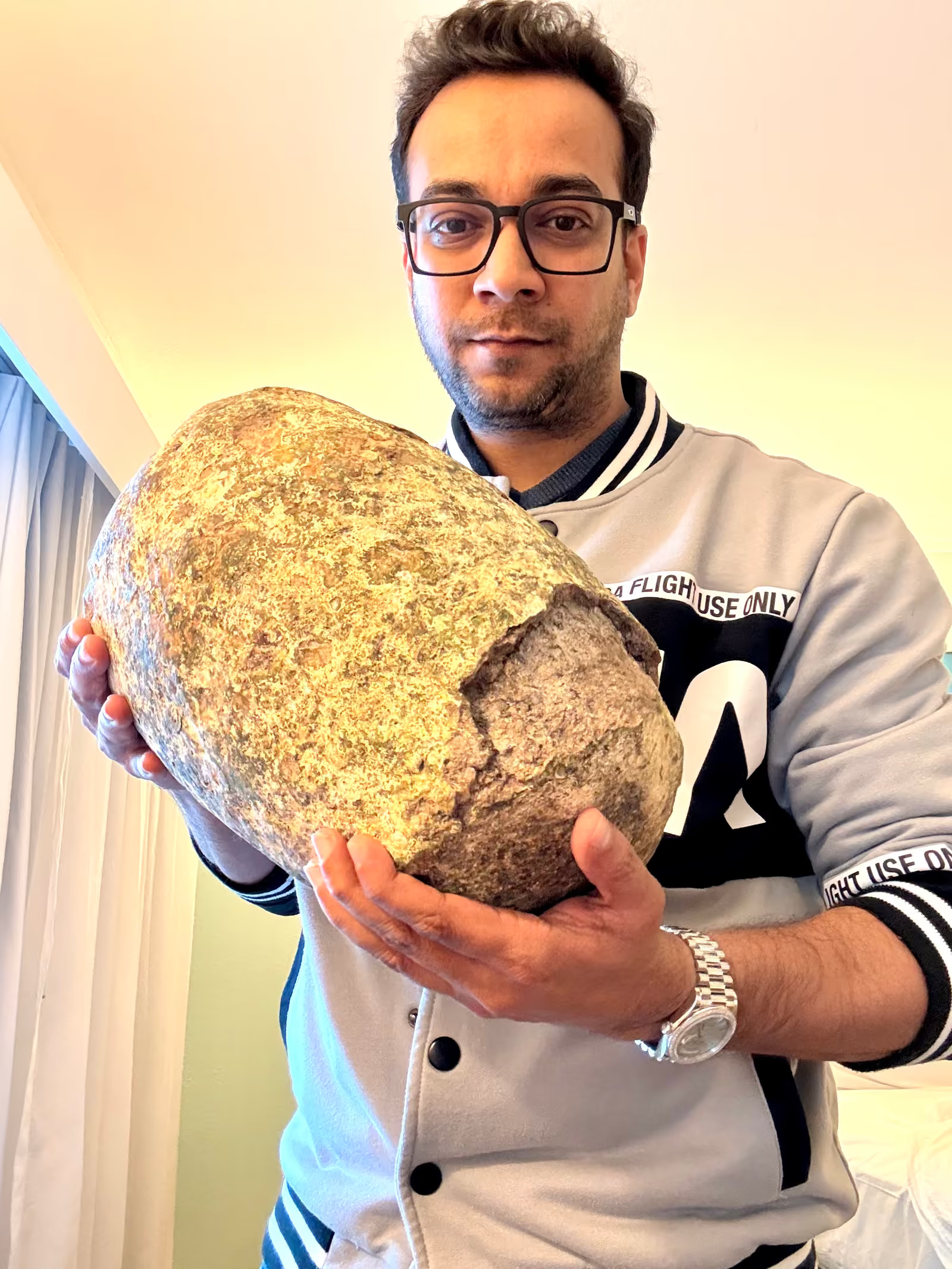
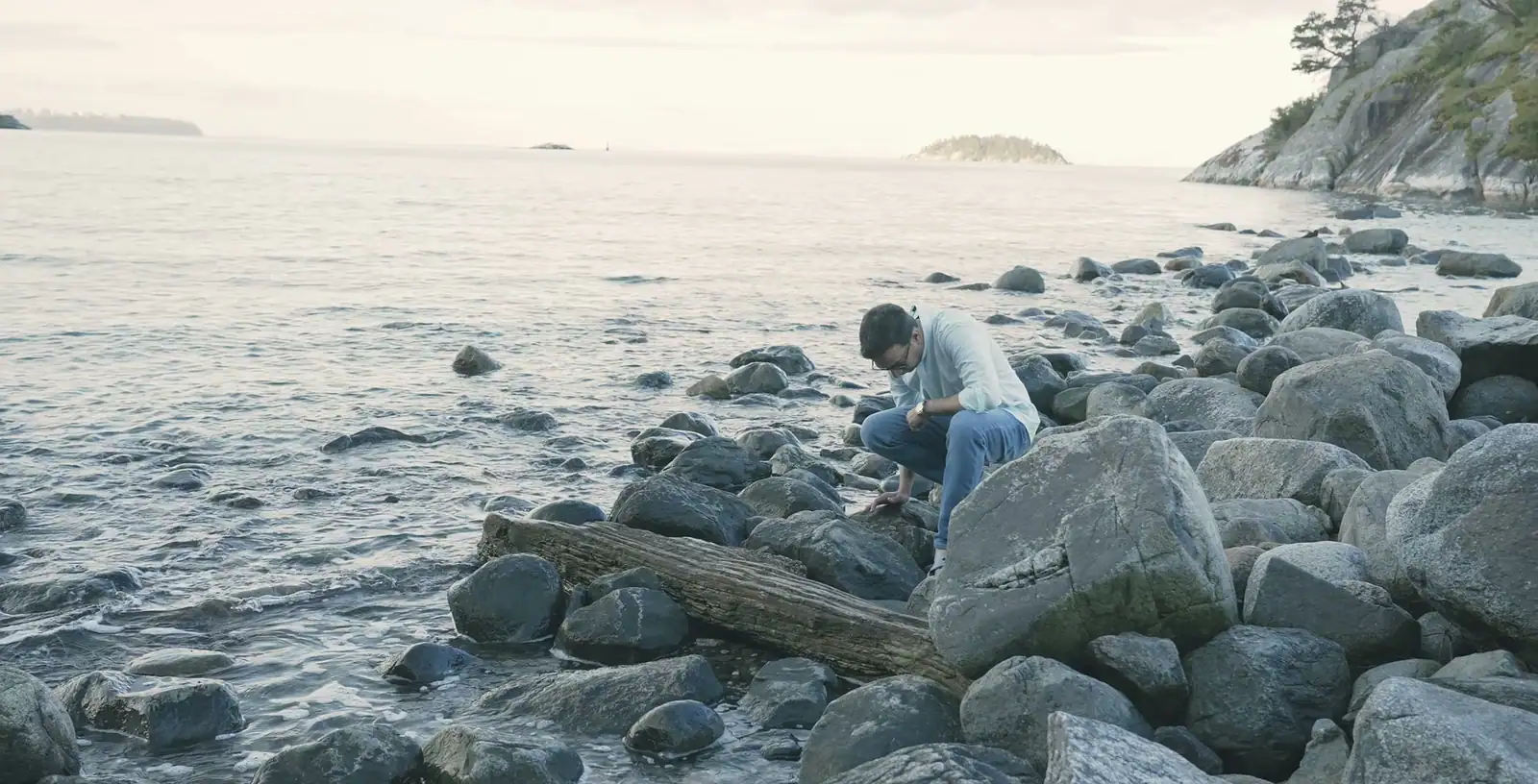
From Northland to Southland, New Zealand's beaches are a good place to look for ambergris. Here's how to tell if yours is real.
Free and private. I reply within 24 hours. Prefer to chat? Message me on WhatsApp.
Have the piece in front of you and go through them in order. No single check proves it. Several together are a good sign.
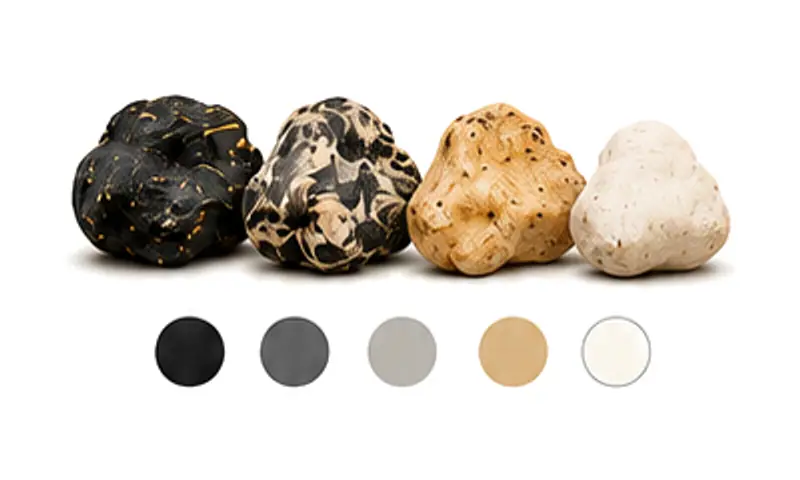
Black, grey, tan or white, with a matte finish. Not glossy or marbled.
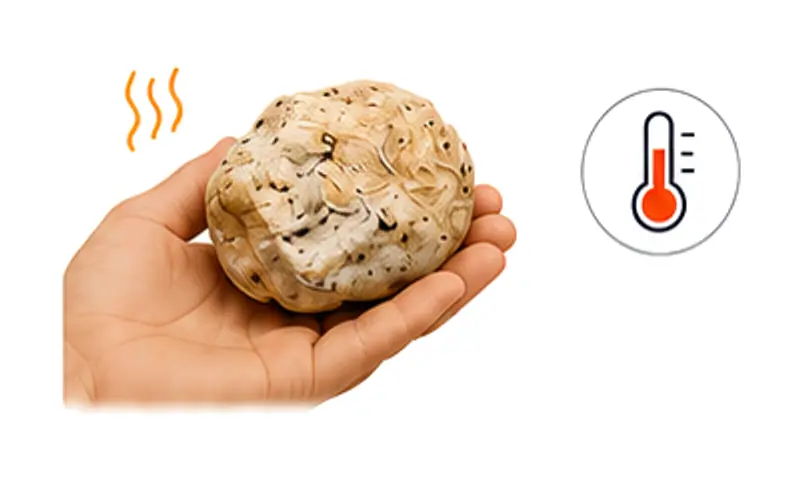
Slightly waxy and soft when warm, harder in the cold.
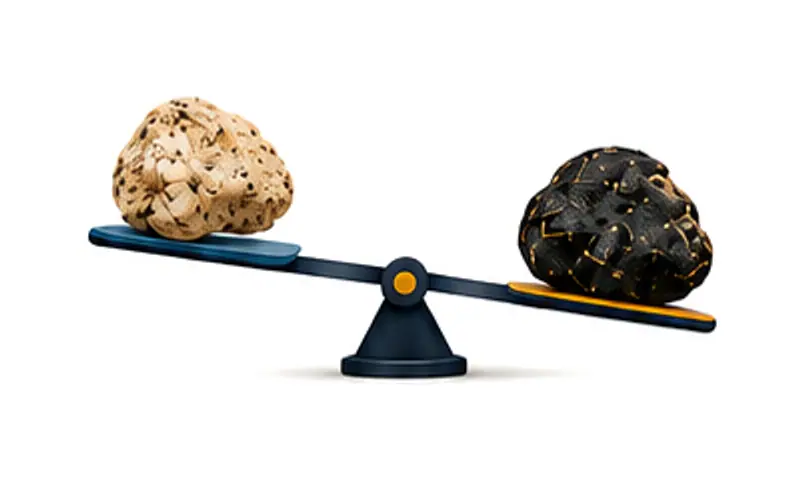
Lighter than a rock of the same size.
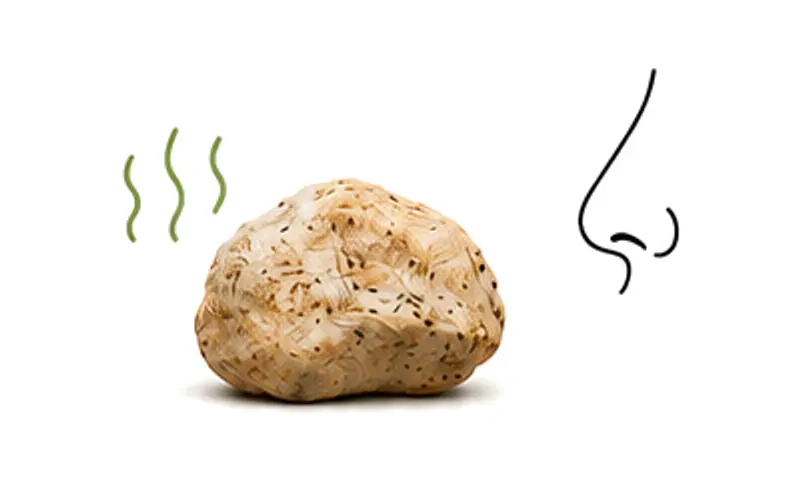
Fresh pieces can smell fishy or fecal. Aged pieces smell sweet and earthy.
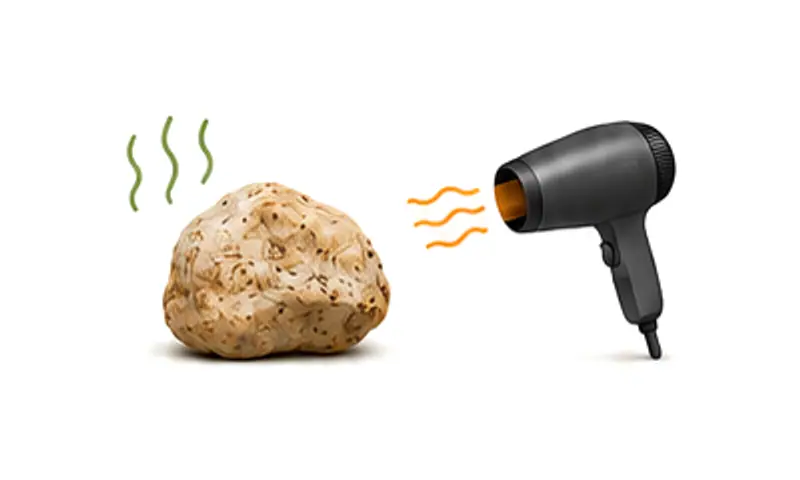
Gently warmed, the scent gets stronger and more pleasant or musky.
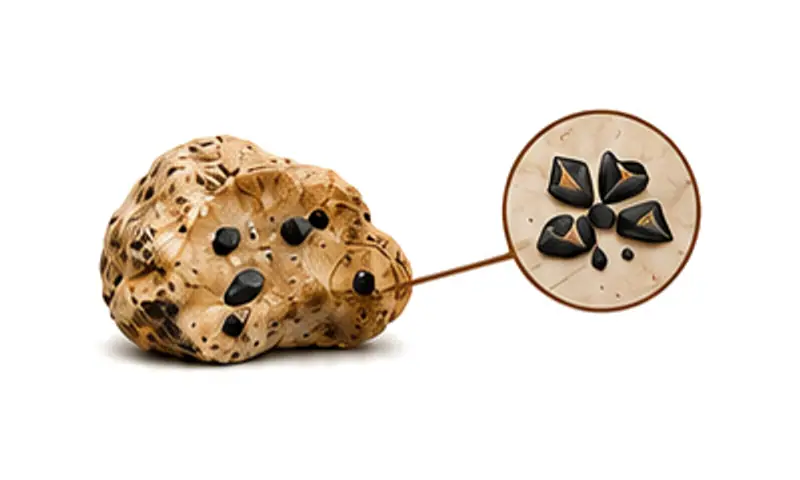
May hold squid beaks or other natural debris.
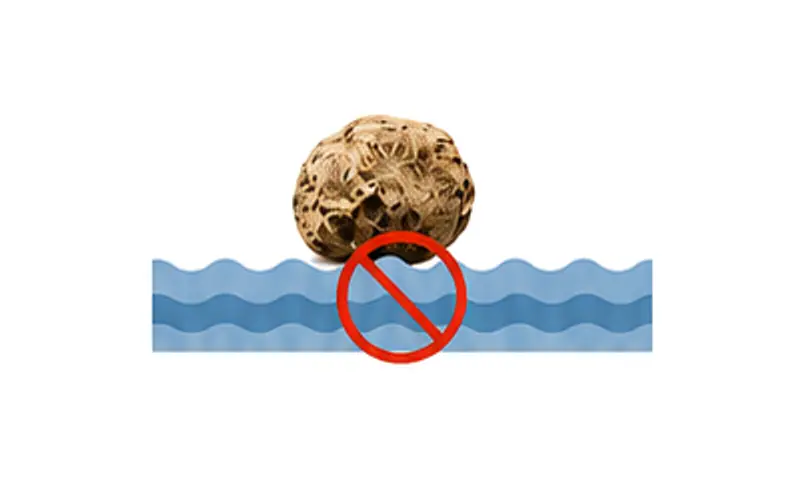
Keep it dry. Never leave it soaking in seawater or freshwater.
Does your find match most of these? Send me photos for a free assessment.
Many beach finds look like ambergris at first. Here's how to spot the difference.
Looks like ambergris because:It's light, and grey, tan or white.
But check this:Very porous and full of holes. No waxy feel, no musky smell.
Photo: Mauro Cateb, Wikimedia Commons, cropped, CC BY-SA 3.0
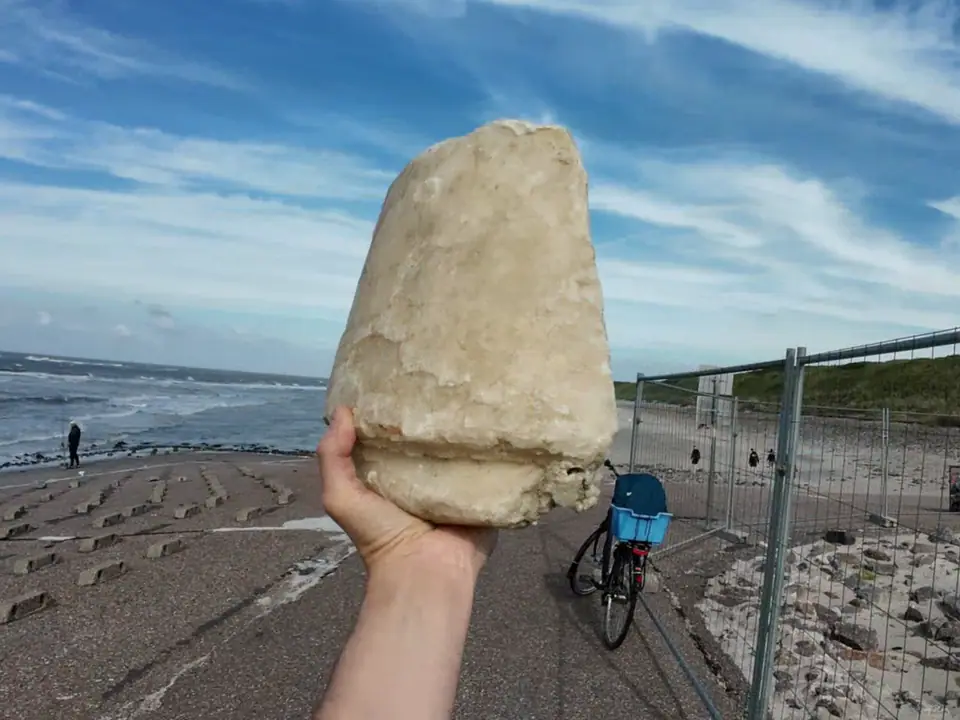
Looks like ambergris because:Pale, waxy and light, and it floats.
But check this:Greasy, and smells of a candle or cooking fat. It looks the same all the way through, with no layers.
Paraffin wax found on Wangerooge. Still from a video by Rhetos, Wikimedia Commons, cropped, CC BY-SA 4.0
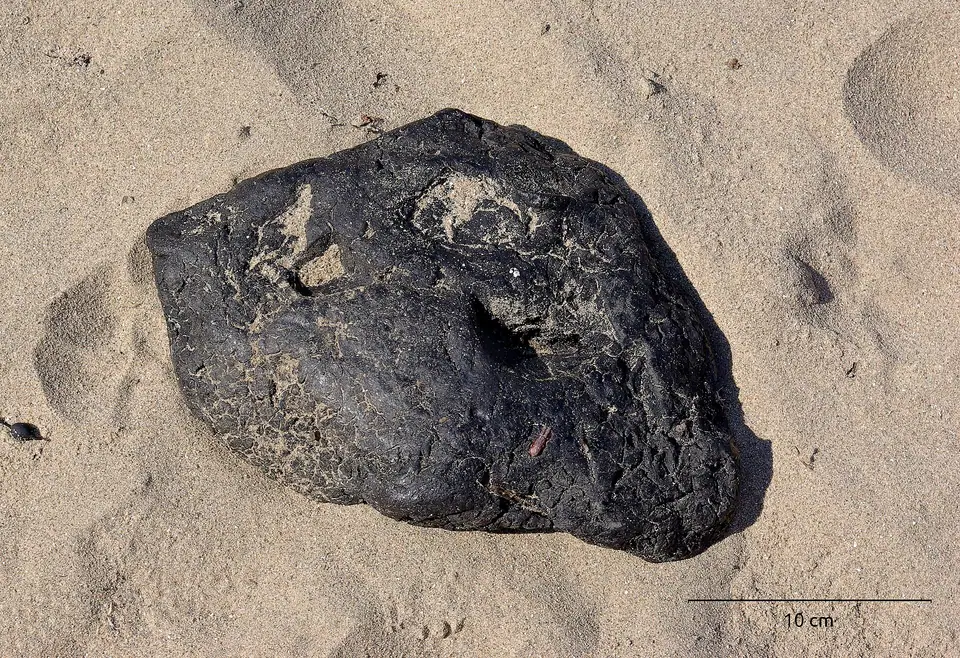
Looks like ambergris because:Dark, and found on the beach.
But check this:Shiny or tacky black, stains your fingers, and smells of petroleum.
Photo: JLPC, Wikimedia Commons, cropped, CC BY-SA 3.0
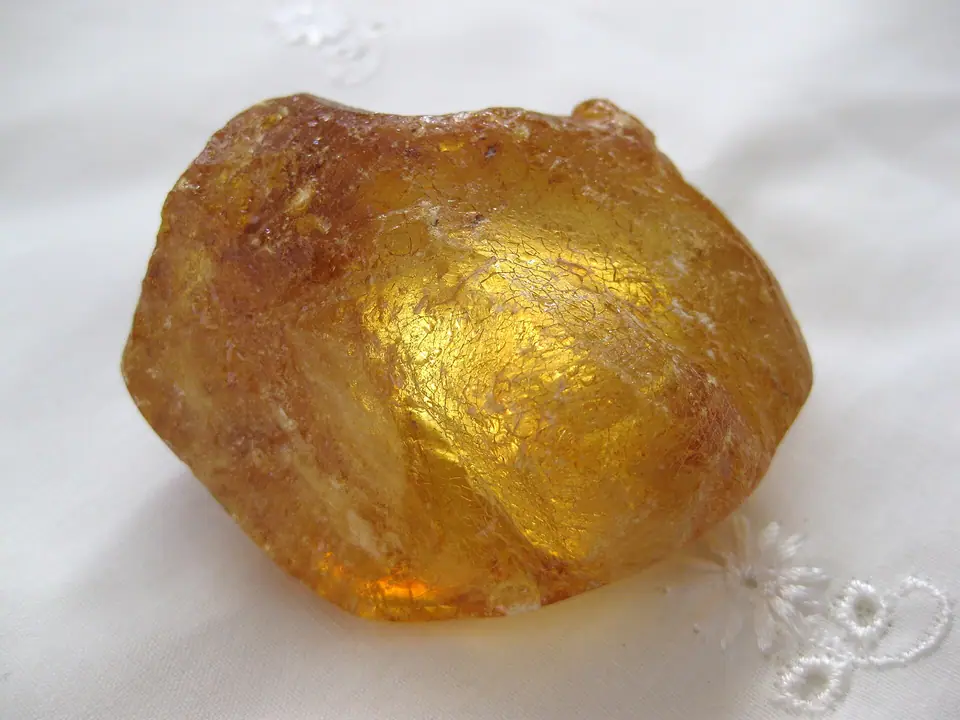
Looks like ambergris because:Amber or brown, and natural.
But check this:Glassy and see-through at the edges. Fresh resin is sticky and smells of pine.
Kauri gum. Photo: NEON_ja, Wikimedia Commons, cropped, CC BY-SA 3.0
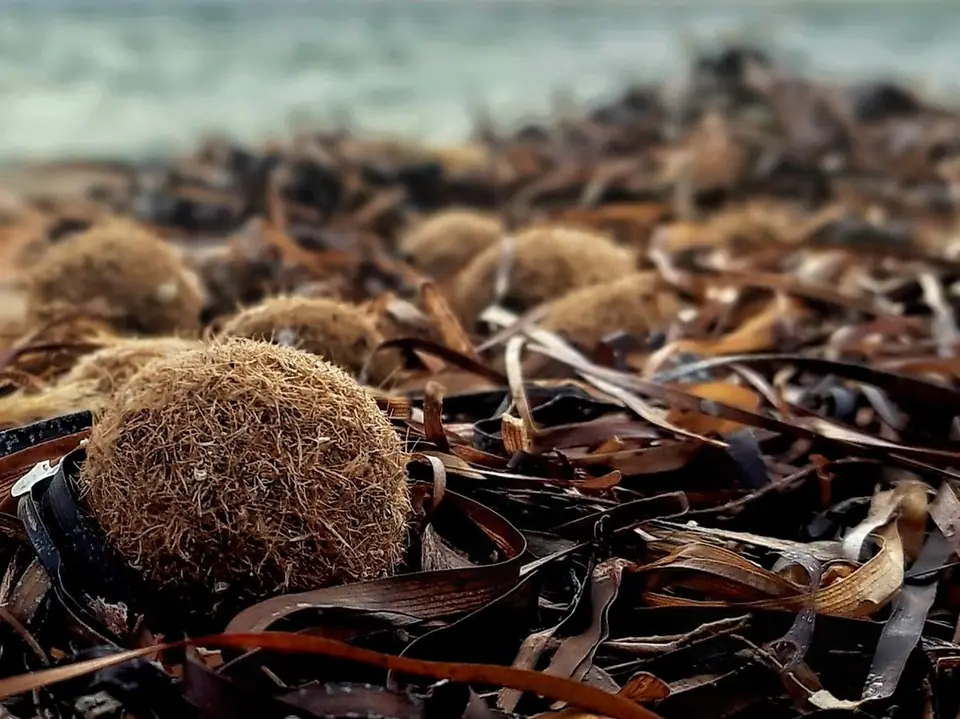
Looks like ambergris because:Round, brown, light lumps washed up with the tide.
But check this:Hairy, made of plant fibres you can pull apart. No waxy feel, and it smells of seaweed or dry grass.
Seagrass sea balls. Photo: Asma Ben Gharbi, Wikimedia Commons, cropped, CC BY-SA 4.0
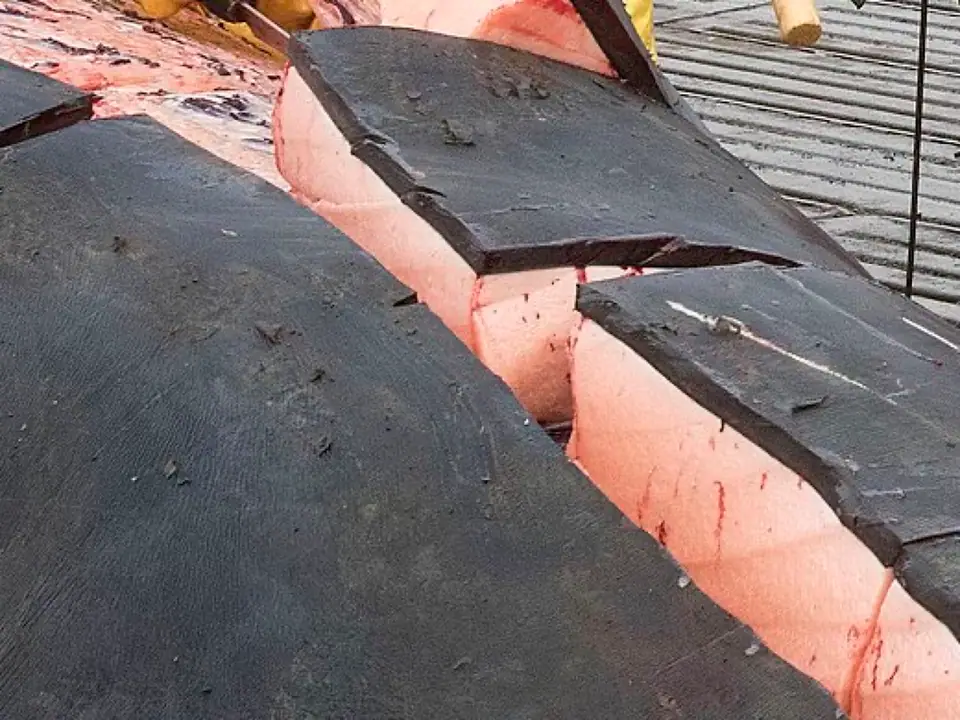
Looks like ambergris because:Pale, fatty, and from a whale.
But check this:Black skin over soft, oily, pinkish fat. It rots quickly, with a rancid smell.
Bowhead whale, Alaska. Photo: Alaska Jack, Wikimedia Commons, cropped, CC BY-SA 4.0
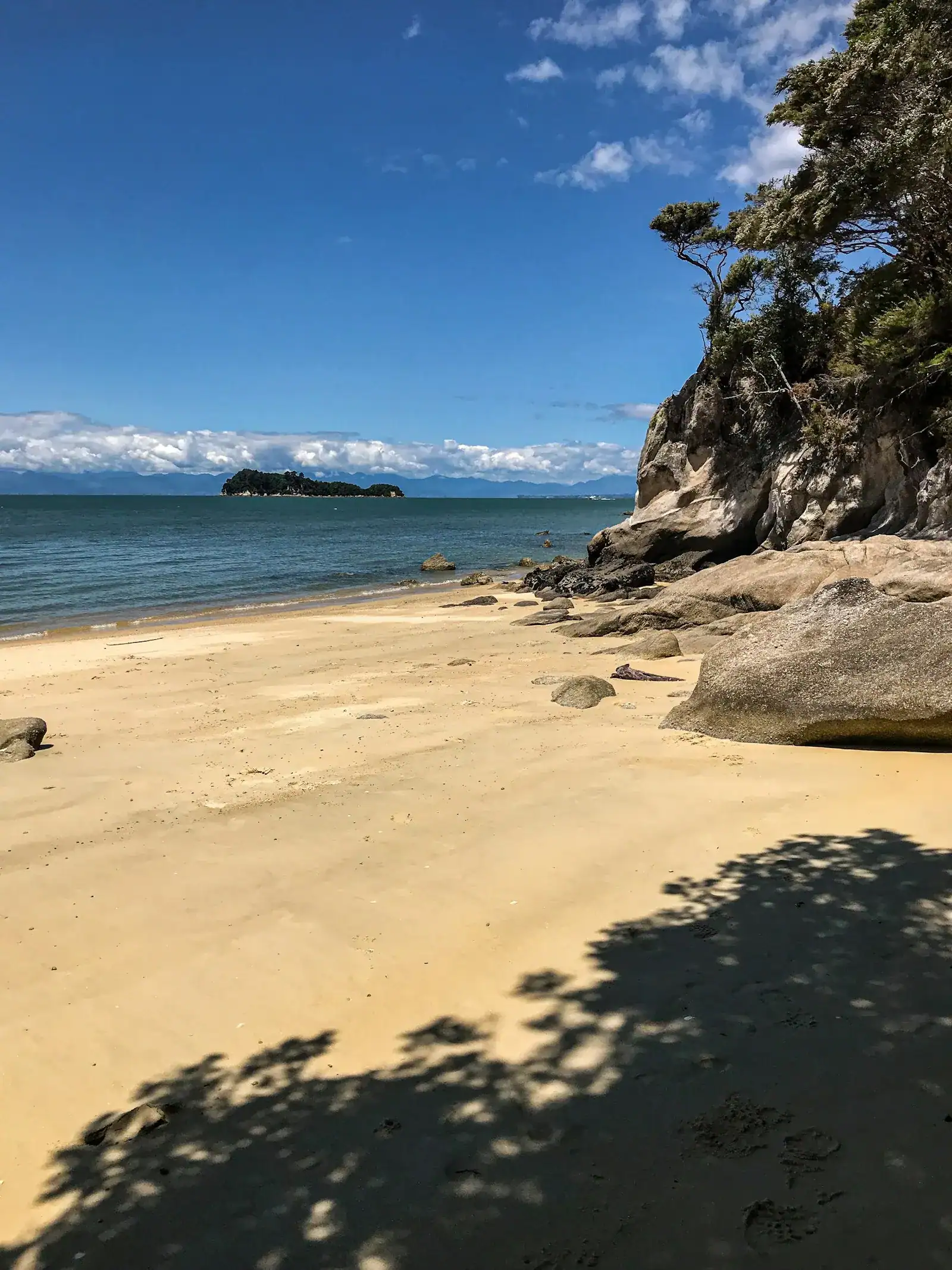
New Zealand's volcanic geology and long, varied coastline produce several materials that are often mistaken for ambergris.
When in doubt, check several signs together. Real ambergris is rare, light, slightly waxy, and has a complex, pleasant smell.
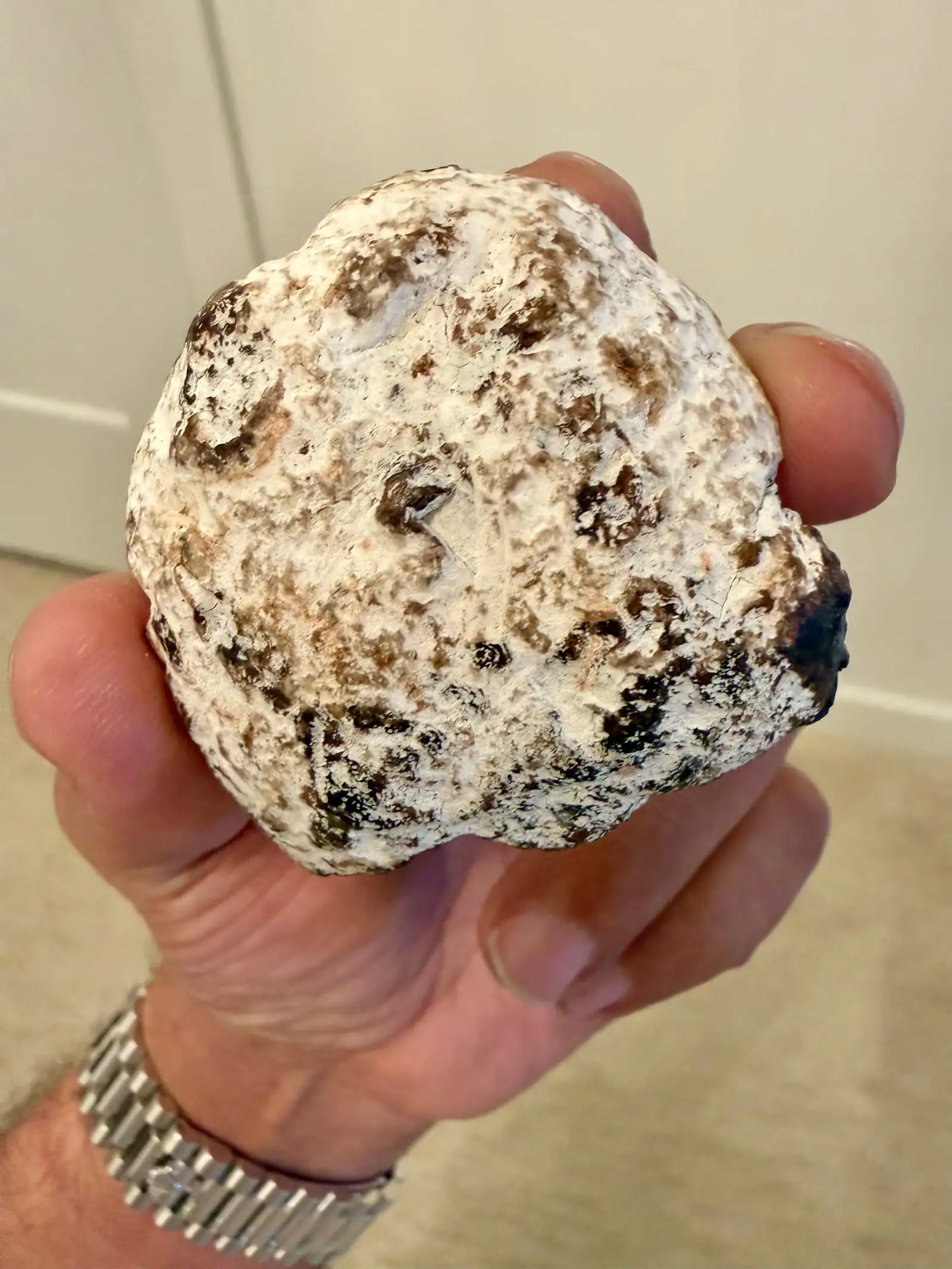
Quick answers about identifying and selling ambergris.
By its waxy texture, its musky, oceanic smell and its colour, from greyish-black when fresh to white when aged. Go through the 7 checks above, then send me photos and I'll confirm it.
To me, if the trade is legal where you found it. The rules differ from country to country, and I only buy where the trade is legal. Tell me where you found it and I'll tell you honestly what your options are. Send photos through my sell ambergris page, or email contact@ambergriscanada.com.
It depends on quality, age, colour and purity. High grades are prized by perfume houses. There's no single price per gram, so send me photos and I'll quote for your piece.
Most beach finds are not. Compare yours with the lookalikes above, then send me photos for a free assessment.
Fresh pieces smell strongly of the sea, and often fecal. As it ages, the smell turns sweet, earthy and musky, a little like old wood, tobacco or damp earth. Smell alone is not proof, because people describe it very differently.
Not quite. It forms in the gut of sperm whales, around hard squid beaks, and most of it is passed out the other end, not vomited. It then floats at sea for years before it washes ashore.
Yes, in seawater. In fresh water a genuine piece may sink, because fresh water is less dense. A quick test is fine, but dry the piece straight away.
A heated needle touched to ambergris melts a small spot into a dark, resin-like liquid with a musky smell. It is a useful hint, not proof: wax, palm oil residue, rubber and grease can react in a similar way. Use only a tiny spot, and treat it as one check among several.
On beaches that face the open ocean, along the high-tide line, often after storms. Finders have sent me pieces from 56 countries.
Keep it dry: damp causes mould and weight loss. Keep it out of direct sun and away from heaters, since heat breaks down the scent and can soften it. Wrap it in cotton cloth, or keep it in a canvas bag or wooden box so it can breathe, never sealed in plastic. Handle it with clean, dry hands, brush off loose sand and seaweed, and store it away from perfumes, incense and other strong smells.
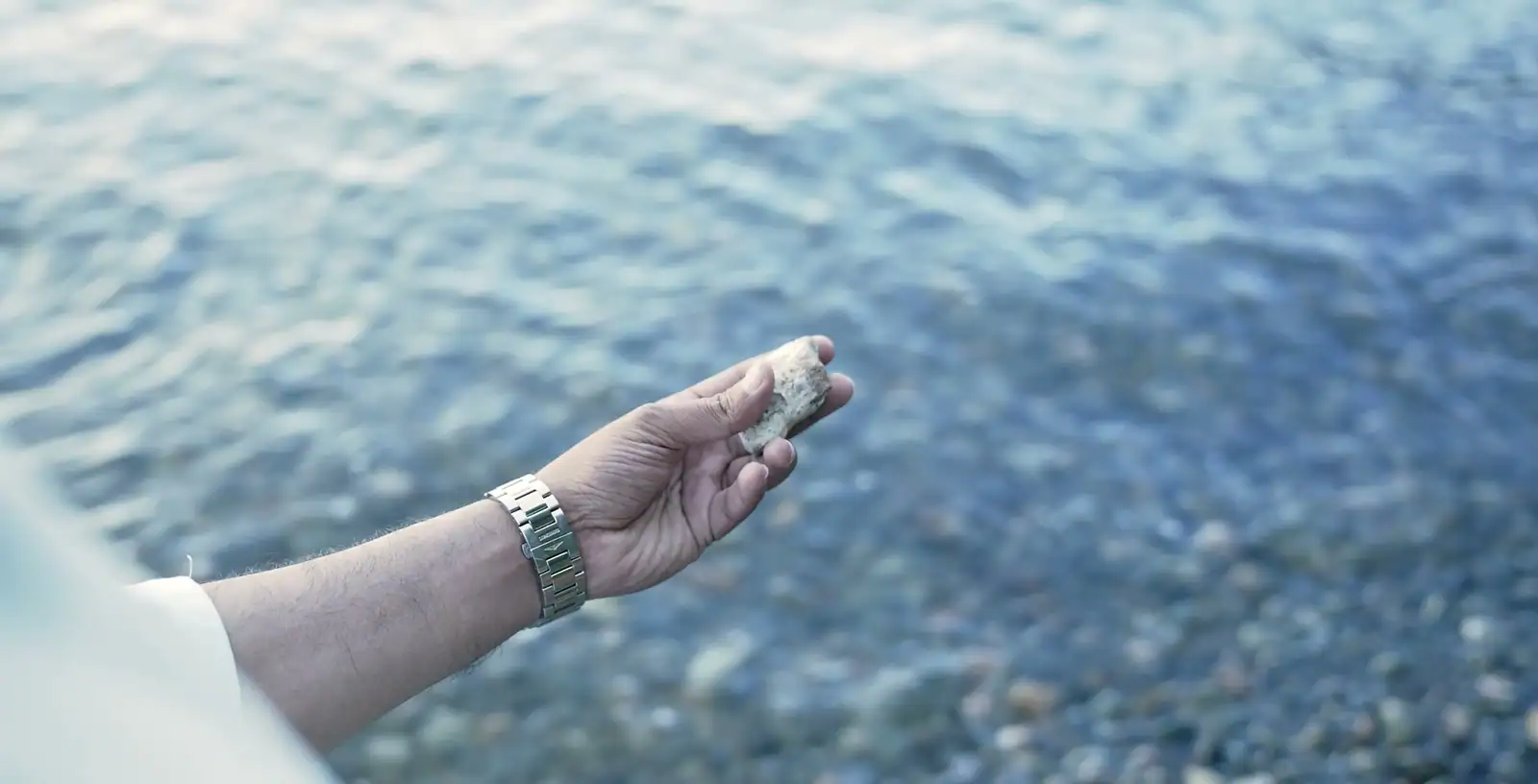
Still not sure? Send me clear photos and a few details. I'll tell you honestly what you have. The assessment is free, with no obligation.
I post new pieces, field trips and identification tips on Instagram.

Most of what washes up is driftwood and stone. I post the pieces that aren't, and how I tell them apart.