Where to Look for Ambergris on New Zealand's Coast
New Zealand sits beside well-known sperm whale waters. Here's where, and when, ambergris is most likely to wash ashore.
Free and private. I reply within 24 hours. Prefer to chat? Message me on WhatsApp.
Why does ambergris wash up in New Zealand?
In New Zealand, ambergris washes up on the high-tide line, especially after storms, on exposed coasts such as Northland and Ninety Mile Beach, the Coromandel, the Bay of Plenty, the West Coast and Southland. I'm Nabil Valiulla of Ambergris Canada, and I assess New Zealand finds from photos for free.
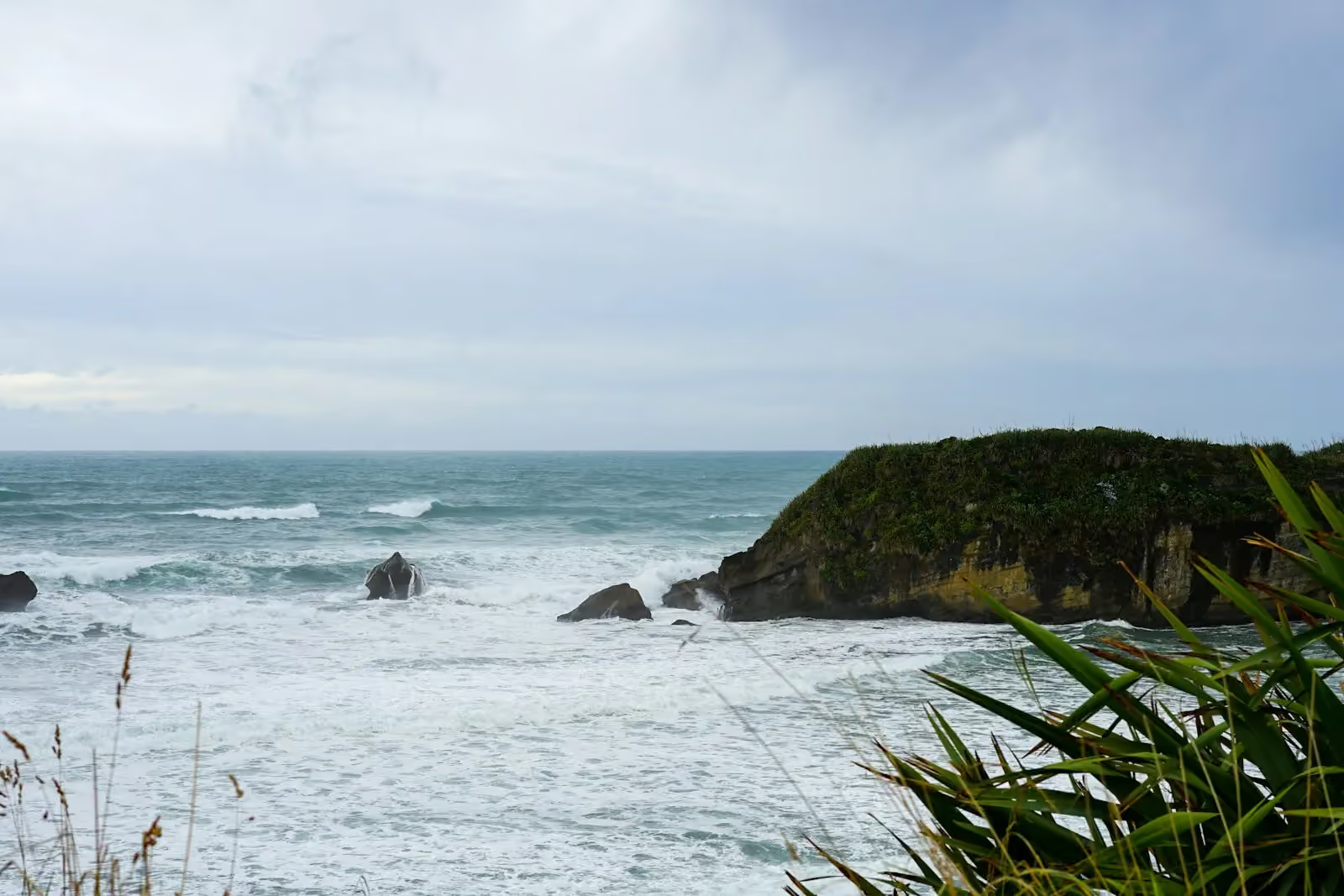
Sperm whales, the only source of ambergris, are frequent visitors to New Zealand's deep offshore waters, especially around the Kaikōura Canyon, a well-known sperm whale habitat. Prevailing westerly and southerly swells carry ocean material toward New Zealand's long, exposed coastlines, which makes them natural collection points for deep-sea material, ambergris included.
With few people and long stretches of wild coast, many finds in New Zealand go unnoticed. That's an opportunity.
Where in New Zealand is ambergris found?
These regions have produced ambergris finds before, but any New Zealand beach is worth checking after a storm.
Northland and Ninety Mile Beach
Long, remote stretches of west-facing beach, open to Tasman Sea swells, with few walkers. Historically productive for ocean debris, ambergris included.
Coromandel Peninsula
Verified finds have been recorded along this coast. Rocky bays and pocket beaches trap material arriving from the north and east.
Bay of Plenty
Broad, sweeping beaches with steady swell. Worth checking after big storms, when ocean material washes up along the shore.
West Coast (Westland)
Some of the most remote, least-walked coast in New Zealand. Powerful surf often brings in deep-sea material. Hard to reach, but rewarding.
Southland and Stewart Island / Rakiura
The southernmost coast in New Zealand, open to Southern Ocean swells and close to Antarctic current paths. Finds have been reported here.
Ambergris can wash up on any New Zealand beach. These regions have been productive before, which is no guarantee. Always check any unusual waxy or resin-like material, wherever you find it.
When should I look?
Seasons and storms are the two best signs of a productive beach.
Summer
December to MarchCalmer conditions make walking and searching easier. Good for covering long beaches like Ninety Mile Beach properly.
After a storm
Any seasonThe best time. Storm swells bring in ocean material that has been floating offshore. Check beaches within 24 to 48 hours of a big storm.
Autumn
March to MayChanging swells from the south and west bring more material onto western coasts. A productive time of year.
Winter
June to AugustRough weather, but big swells. Western and southern beaches catch more of the swell, if you can reach them safely.
What to look for
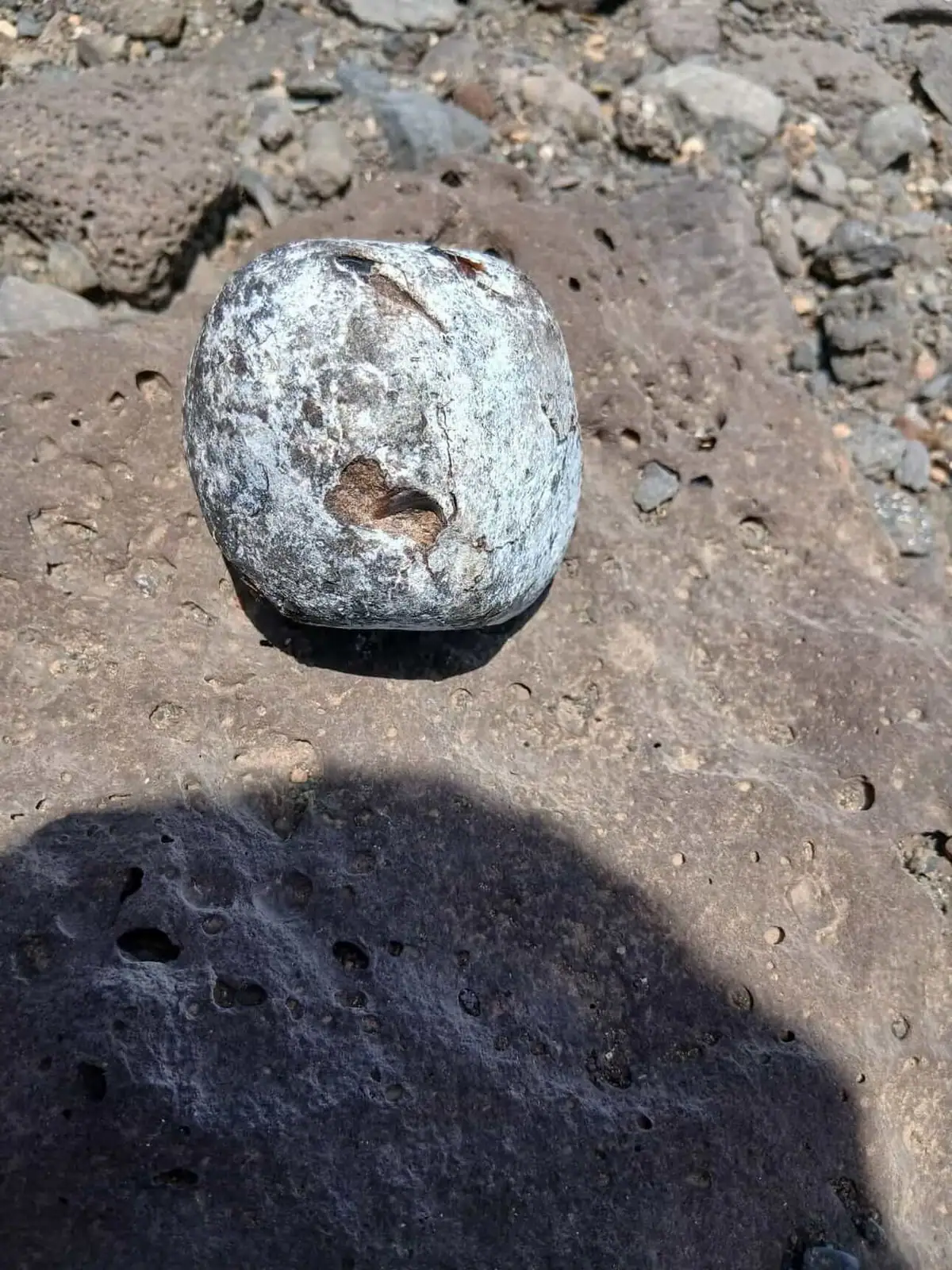
Focus on the high-tide line, the band of debris left at the furthest reach of the last tide. Ambergris sits there with kelp, driftwood and other ocean material.
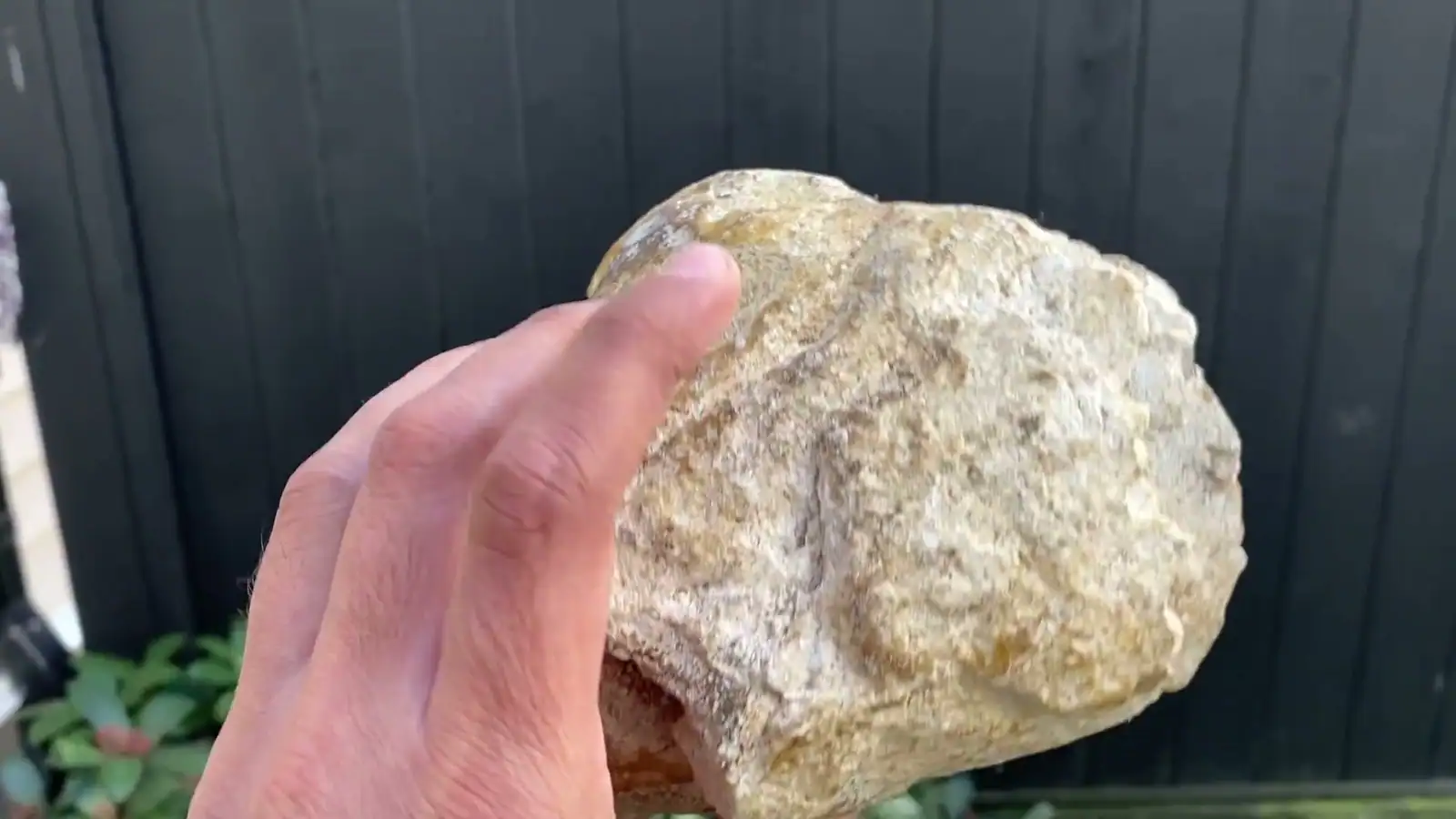
Look for anything waxy, matte and lighter than it looks. People often take ambergris for a smooth rock until they pick it up.
After a storm, move quickly. Popular beaches are covered by other walkers within hours.
How to identify ambergrisFound something already?
Don't wait. Send me photos and I'll assess your find for free within 24 hours.
- Call Nabil · Vancouver, Pacific time+1 (778) 713-5786
- Email Nabilcontact@ambergriscanada.com
Some of my New Zealand suppliers walk their local beach twice a week. Read about a career in ambergris
See what I find, as I find it
I post new pieces, field trips and identification tips on Instagram.

Most of what washes up is driftwood and stone. I post the pieces that aren't, and how I tell them apart.