Australian ambergris: your questions answered
The questions Australian finders ask me most. If yours isn't here, ask me directly.
I'm Nabil Valiulla, founder of Ambergris Canada, and these are the questions Australian finders ask me most: how to identify ambergris, how it is graded, how the free photo assessment works, and which lookalikes to rule out. I reply within 24 hours. If yours isn't here, ask me directly.
Identification
What does ambergris look like in Australia?
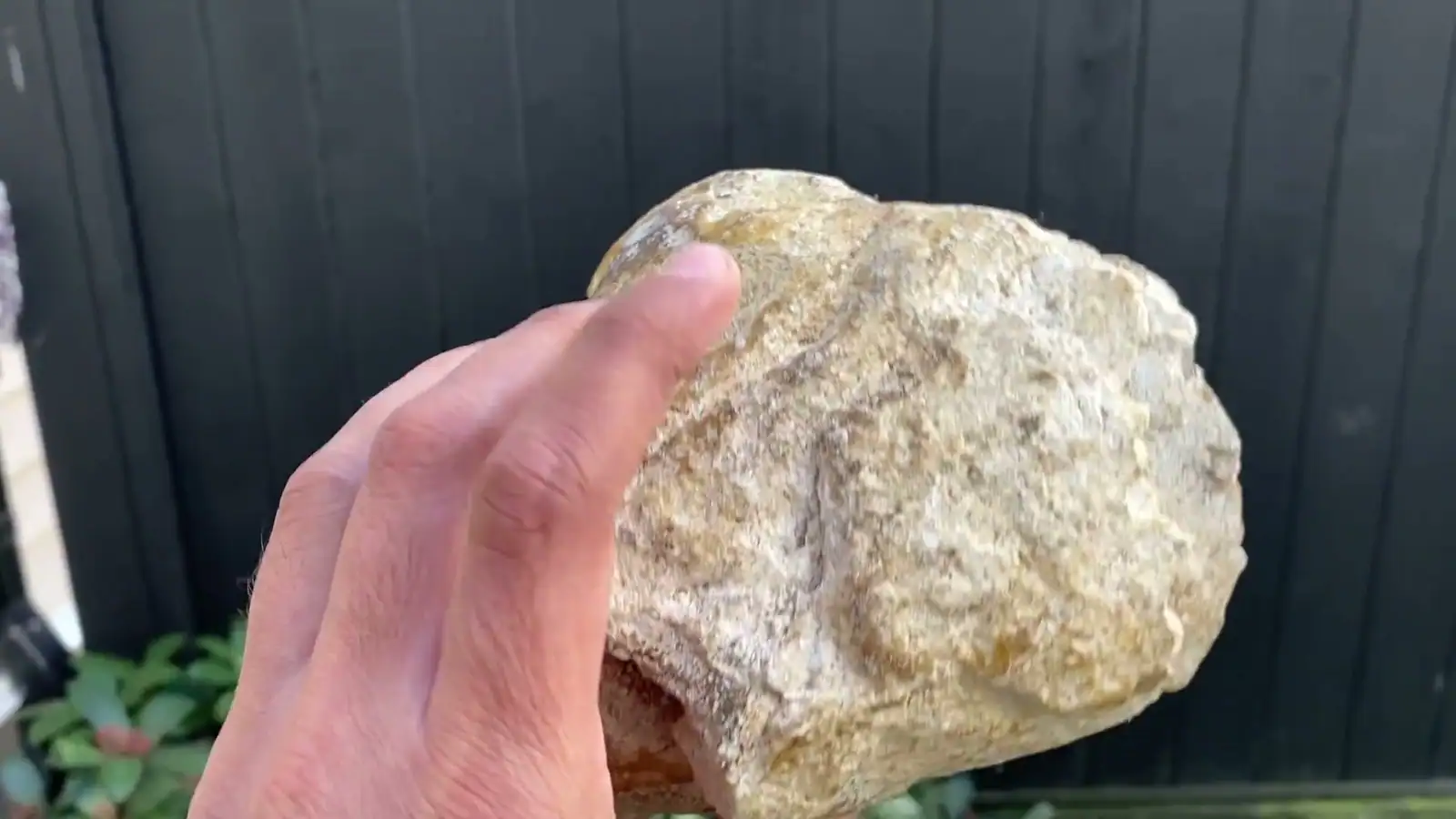
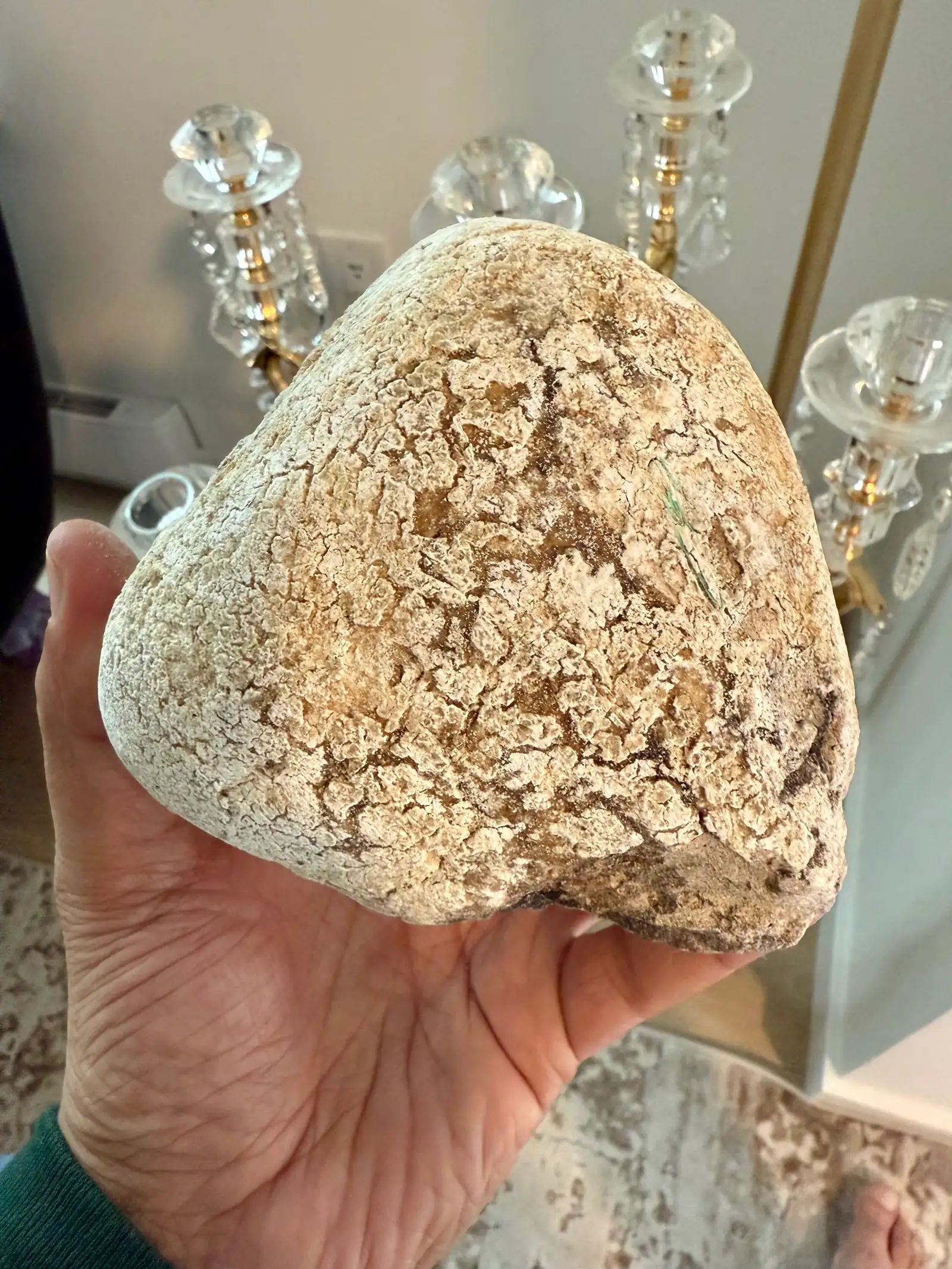
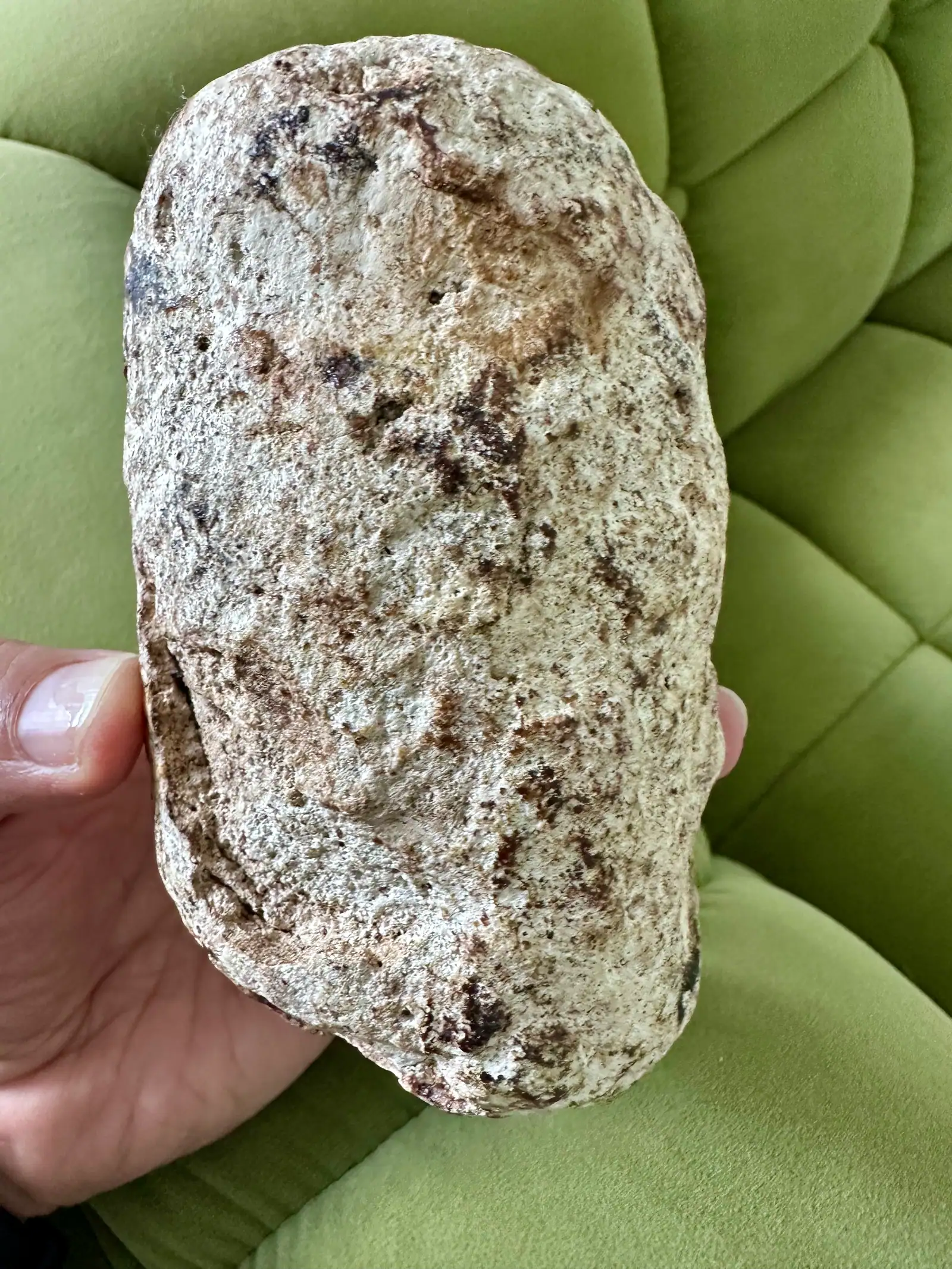
The same as anywhere in the world, but many Australian beach finds are lookalikes. Real ambergris may feel waxy and lighter than expected, with a matte finish, and may smell earthy, musky, marine or sweet when gently warmed. It should not smell strongly of petroleum, sewage, chemicals or seaweed. See the full Australia identification guide.
How do I tell ambergris apart from pumice?
Pumice is very light, porous and full of holes. It can float, but it does not feel waxy, does not leave a faint residue, and has no musky or sweet aroma when warmed.
Does ambergris float?
Usually, in saltwater. But floating alone is not enough: pumice, wax, fat and other debris float too. Treat the float test as one sign among several.
What should ambergris smell like?
Fresh ambergris may smell fishy, fecal or strong. Aged ambergris can smell earthy, musky, sweet, marine or powdery. If the smell is clearly petroleum-like, chemical, rotten or sewage-like, it may be a lookalike.
Value
What is ambergris worth in Australia?
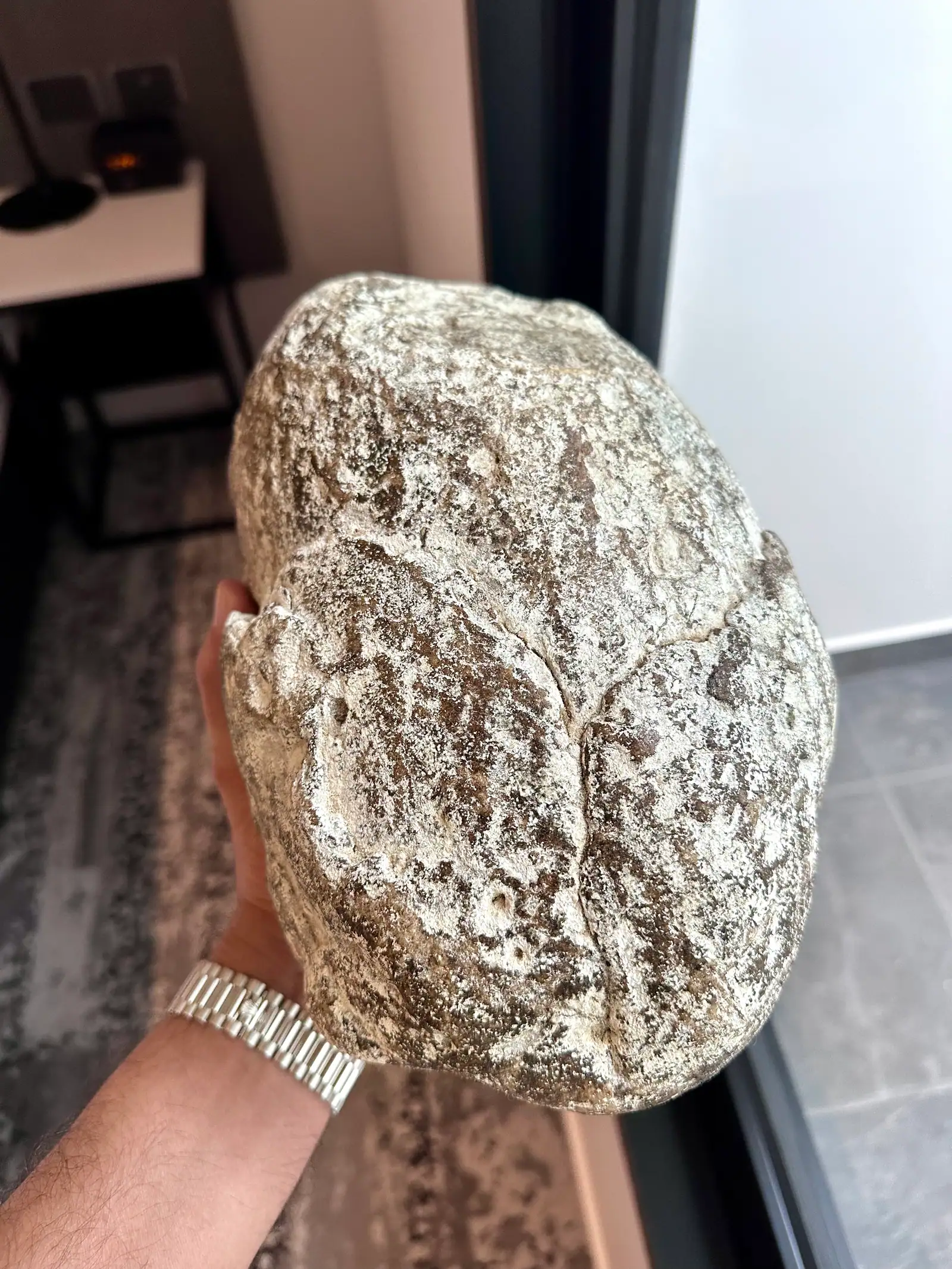
Its value depends on grade, weight, purity and condition. White or pearl ambergris is the highest grade, grey comes next, and dark or black is the lowest. See the full grading guide.
How is ambergris weighed?
By the gram. If you can, weigh your find on a kitchen scale and include the weight when you send photos. It helps me give you a faster first view.
Should I clean it before assessment?
No. Do not wash, soak, scrape, cut or polish the piece. Send photos first. Cleaning makes the assessment less accurate and can damage the material.
Can a small piece still be valuable?
Yes. A small piece is still worth assessing if its grade, scent, purity and condition are strong.
Assessment process
How do I get my find assessed?
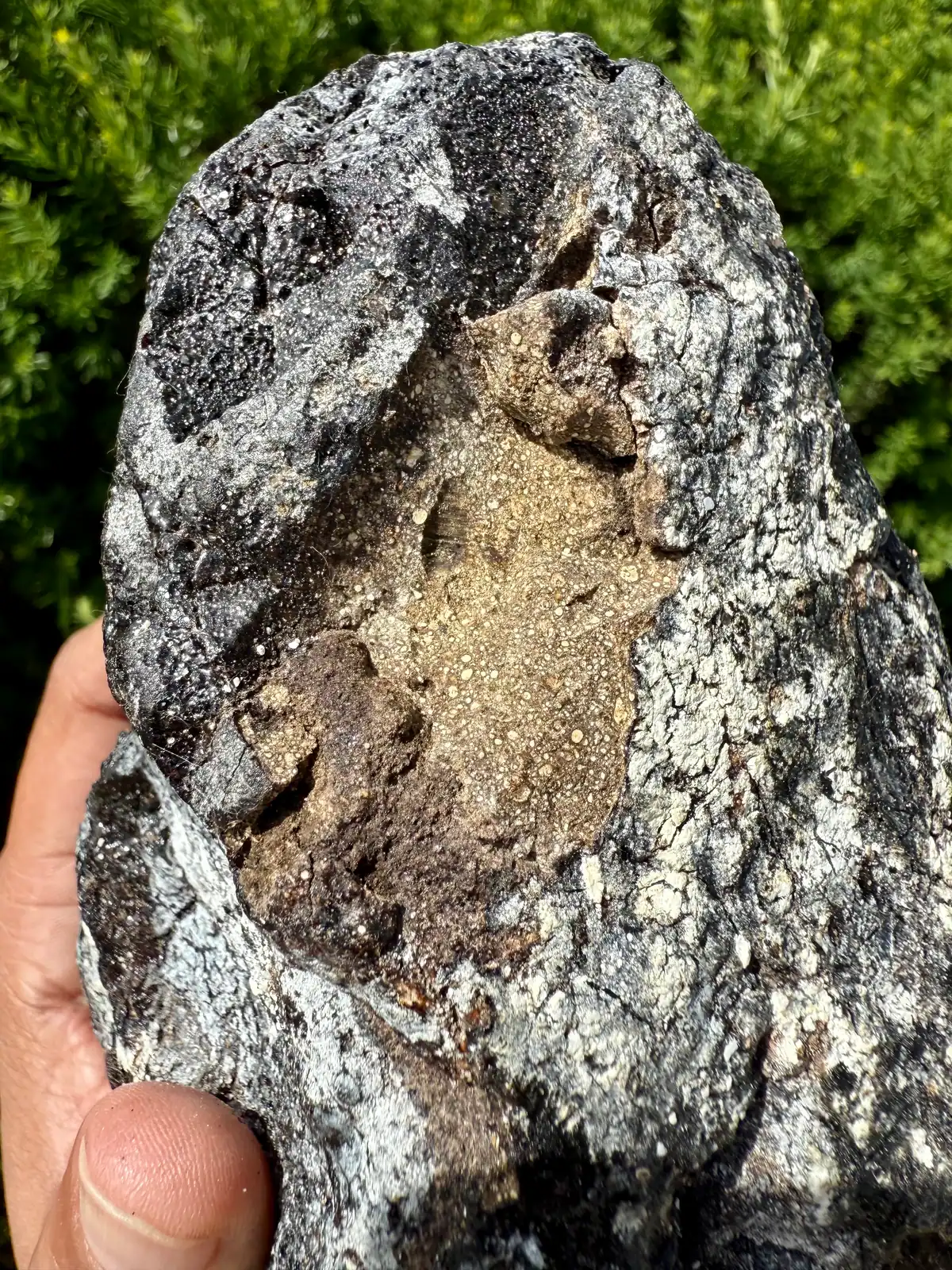
Send me clear photos in natural daylight on WhatsApp or through the assessment form. Include the top, side, a close-up, the underside, something for scale, the rough weight and where you found it.
Who reviews the assessment?
I do. I am Nabil Valiulla, founder of Ambergris Canada, with more than 20 years of experience and 4,678 specimens assessed.
Do I need to send you the piece?
No. The assessment is done from photos. Keep your find with you, dry and safe.
Is the assessment free?
Yes. The photo assessment is free, with no obligation.
How fast will I hear back?
Usually within 24 hours for clear photos.
Lookalikes
What beach items are most often mistaken for ambergris in Australia?
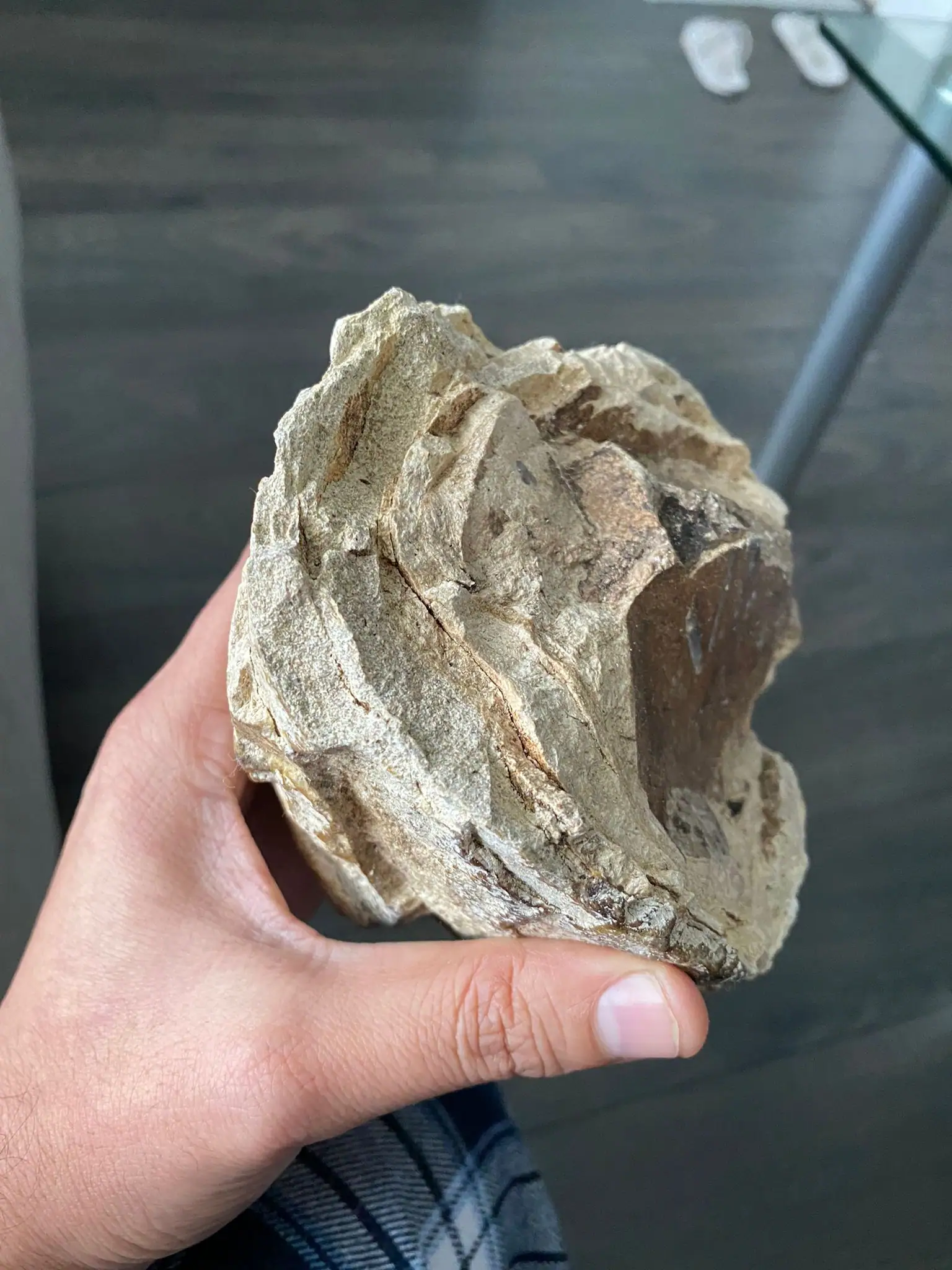
Common lookalikes include pumice, palm oil or vegetable fat residue, tar balls, fatbergs or sewage balls, kelp, driftwood, tree resin, whale blubber and other oily marine debris. See my ambergris lookalikes guide for a side-by-side comparison.
How do I identify tar balls?
Tar balls are usually dark, sticky or hard and rounded, and may smell strongly of petroleum or chemicals. They can turn up after oil pollution at sea.
What are fatbergs or sewage balls?
Clumps of human waste, oils, grease and other pollutants that can wash ashore. They may look unusual, but they usually smell foul and should not be handled directly.
Can palm oil look like ambergris?
Yes. Palm oil or vegetable fat residue can look pale, waxy and soft. But it is usually too greasy, and it smells oily, rancid or vegetable-like rather than musky or marine.
Australia guidance
Is ambergris legal in Australia?
The ambergris trade is not legal in Australia. I can still assess your find for free and tell you what it most likely is.
Where in Australia should I look for ambergris?
Ambergris can wash ashore anywhere, but remote, storm-exposed coastlines are worth checking after strong weather, high tides and unusual debris. See the Australia coastal guide.
What should I do if I find something suspicious on a beach?
Do not wash it. Take photos. Store it dry. Avoid direct handling if it smells of oil, sewage or chemicals. Use the identification guide and the finder guide, and send me photos for a free assessment.
Question not here?
Ask me directly on WhatsApp or through the form. I reply within 24 hours.
- Call Nabil · Vancouver, Pacific time+1 (778) 713-5786
- Email Nabilcontact@ambergriscanada.com
See what I find, as I find it
I post new pieces, field trips and identification tips on Instagram.

Most of what washes up is driftwood and stone. I post the pieces that aren't, and how I tell them apart.