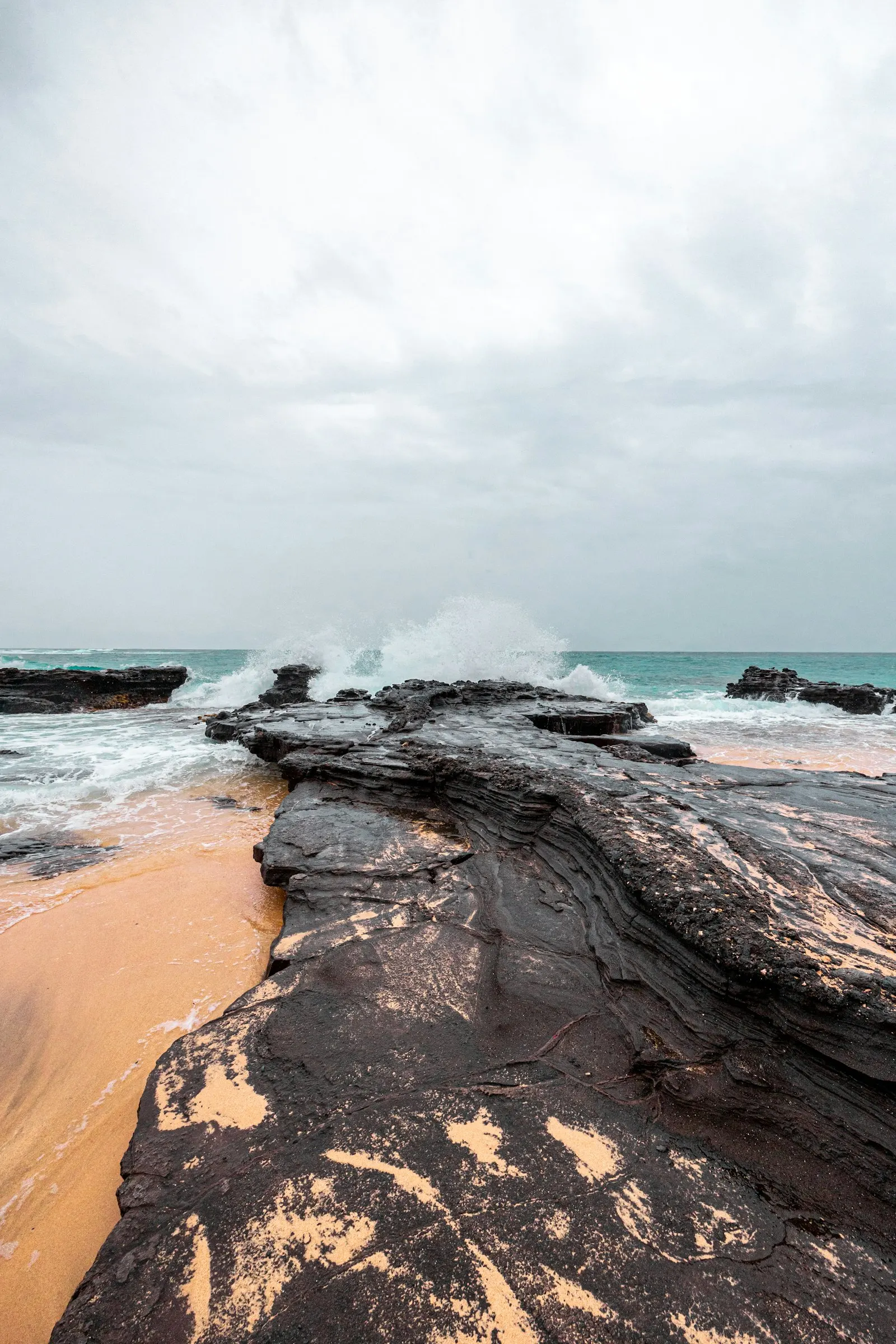
What Is Your Ambergris Worth?
Ambergris value depends on grade, weight, quality, age, purity, and condition. Here's how professional assessors evaluate a possible find from Australia.
The Three Grades of Ambergris
Colour is the primary grading indicator.
The more aged the piece, the lighter, and more valuable, it becomes.
White / Pearl
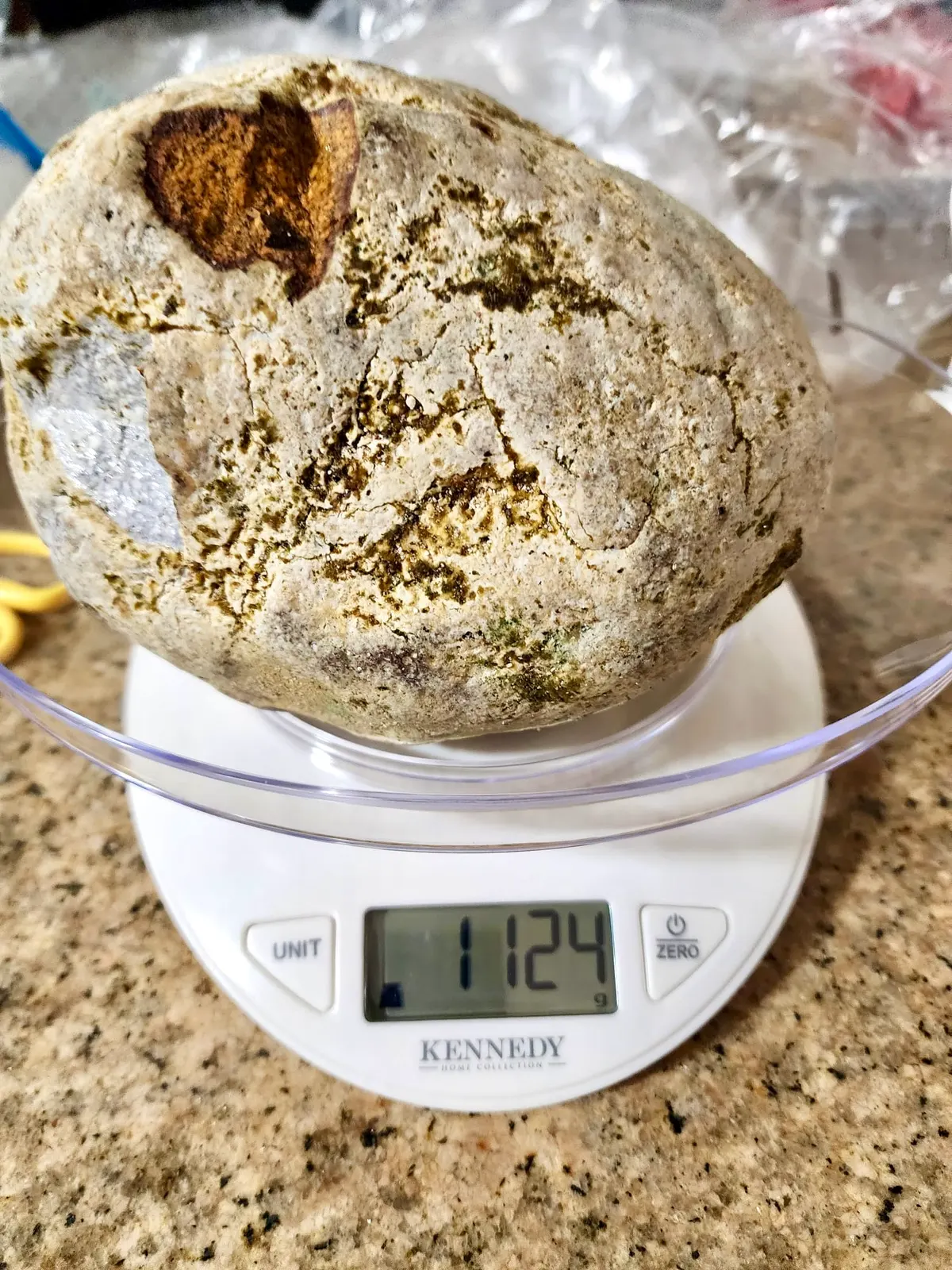
Grey
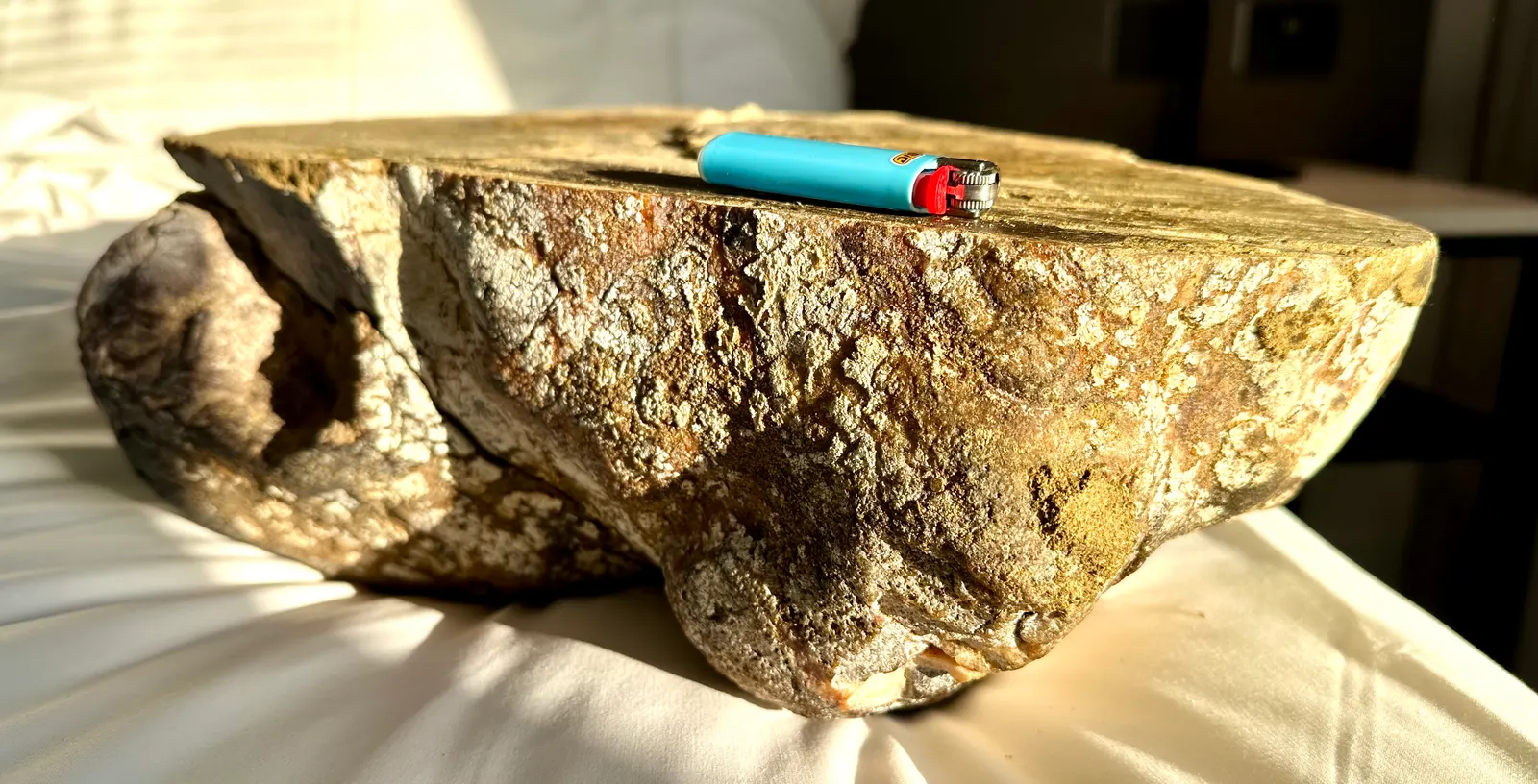
Black / Dark
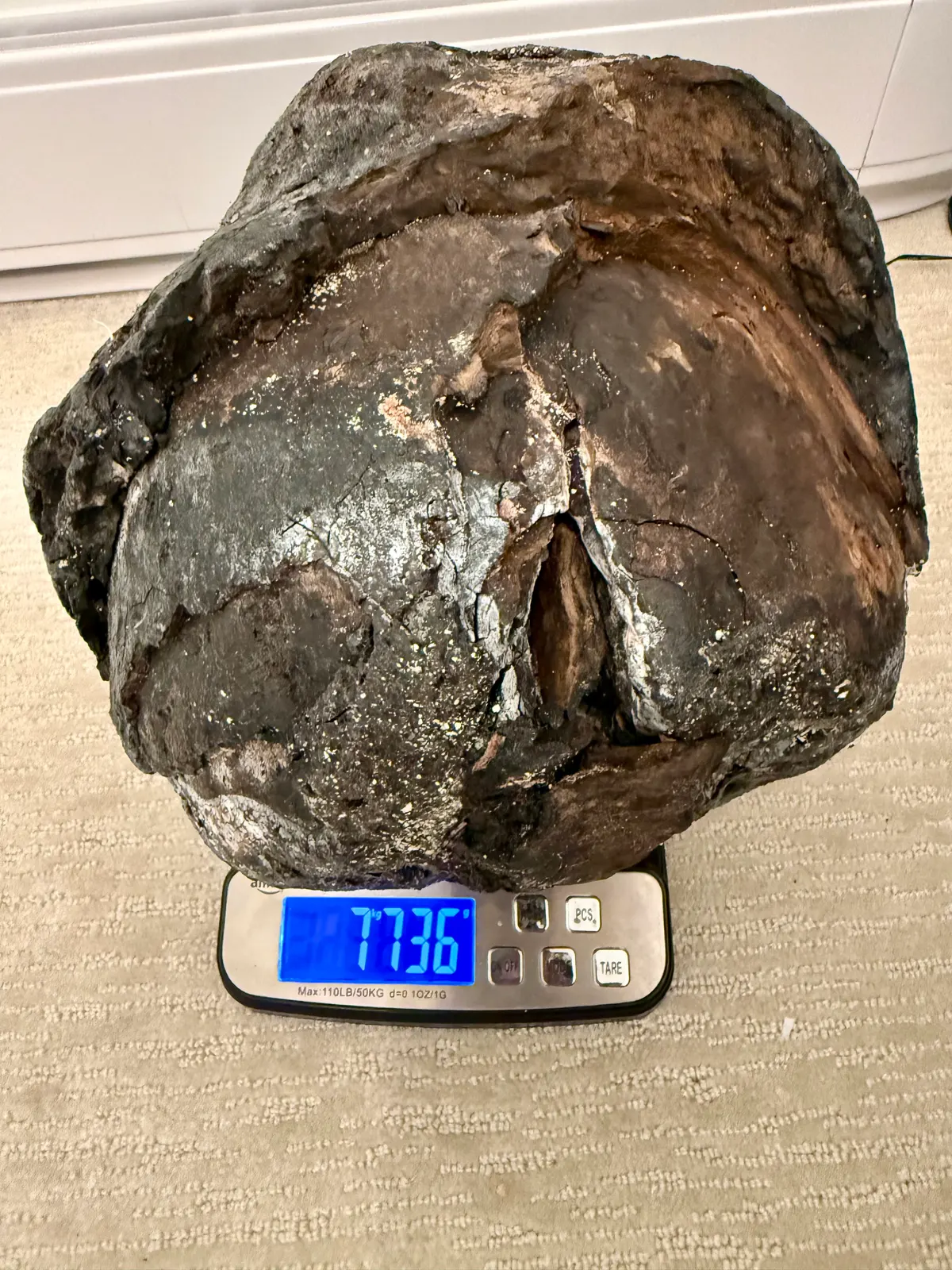
Colour Is the Primary Grading Indicator
As ambergris ages at sea, its chemical profile and appearance shift dramatically. Darker pieces are usually fresher and stronger smelling, while grey pieces often strike the best balance for commercial demand. White or pearl ambergris is the rarest and most valuable grade, often taking decades to reach its peak condition.
Professional assessment is essential. Even small pieces can have high value if the grade, scent profile, and purity are strong.
White ambergris is the rarest and most valuable, representing decades of ocean ageing. Most Australian beach finds are grey or black, both of which have significant commercial potential. Even small, high-quality pieces are always worth a closer look.
What Affects the Value of Ambergris?
Five factors that our buyers weigh when making an assessment.
Weight
Ambergris is usually valued by weight. Even a small 100–200g piece can be important if the quality and grade are high.
Grade / Colour
White and pearl ambergris usually command the highest premium. Grey ambergris is also in strong demand. Black ambergris can still be commercially viable, but is usually valued lower.
Purity
The fewer foreign materials (such as sand, debris, seaweed, or contamination), the better. A clean piece can be worth significantly more than a damaged one.
Surface Condition
Pieces that have been kept dry and not washed, soaked, cut, or over-handled usually retain more value.
Market Timing
Global perfumery demand can fluctuate. Nabil advises on current market interest at the time of assessment.
What Australian Finders Should Know
Australian beach finds may vary widely in appearance. Some may be dark, waxy, and freshly deposited. Others may be grey, dry, and ocean-aged. Because many Australian lookalikes can resemble ambergris, do not assume value based on colour alone.
If your piece looks promising, start with a photo assessment before moving, shipping, or making any decisions.
Before You Do Anything Else
Water can alter the surface and reduce assessment accuracy.
Use a kitchen scale and include the weight in your message.
Take clear photos in daylight from multiple angles before warming, cutting, or handling further.

I've graded 4,678 specimens. The difference between grey and white can be the difference between a common find and a serious discovery. Get it assessed properly before doing anything else.
Find Out Exactly What You Have.
Free assessment. No obligation. Nabil reviews promising submissions personally.
Get Your Free Assessment