Think You've Found Ambergris on an Australian Beach?
Australia's beaches can produce unusual waxy, dark, or lightweight finds, but many are not ambergris. Use this guide to check the signs before you wash, cut, or store it incorrectly.
Send Photos for Free AssessmentHow to Check a Possible Ambergris Find
Run through these eight checks before doing anything else. No single test is conclusive on its own, so combine them for the most reliable view.
Look
Note the appearance, colour, and shape. Ambergris ranges from near-white through grey and brown to almost black, often with a rounded, smoothed, or biscuit-like form.
Texture
Genuine ambergris feels waxy and smooth, and can become slightly tacky when warm. It is firm but not hard like rock.
Weight
It is usually lighter than expected for its size. Genuine pieces float in salt water rather than sinking like stone.
Smell
A sweet, musky, marine, slightly earthy aroma. It should not smell fishy, rancid, oily, or chemical.
Warm Smell Test
A heated needle held near (not into) the surface should release a sweet musky scent as the surface softens.
Caveat: Wax, palm oil, rubber, and sewer grease can also melt or smoke when warmed, so this test alone is not conclusive. Always combine with other checks.
Embedded Material
Real ambergris often contains squid beaks or dark inclusions visible on the surface or just below it.
Float Test
Genuine ambergris floats in salt water. Use a small bowl with a heavy salt solution to check buoyancy briefly, but do not soak.
Handling Note
Do not wash, cut, soak, or over-handle the piece. Take clear photos first and keep it dry. Excess handling can reduce value.


In-Depth Breakdown
Use the checklist below for a closer look at each sign.
Here's a detailed checklist.
Simple ways to check your find.
Visual Appearance
- Color ranges from black to gray to white
- Texture feels like running your fingers across a biscuit - not waxy, smooth, or soap-like
- May have squid beaks or other debris embedded
- Has a matte finish, not glossy or marbled
- Soft black ambergris is gooey, sticky, slimy, and has a strong pungent smell
Texture & Temperature
- Feels waxy and slightly soft when warm
- Becomes harder in cold temperatures
- Should feel lighter than rocks of similar size
- May leave a waxy residue when rubbed
Smell Test
- Fresh ambergris may smell fishy or fecal
- Aged ambergris has a sweet, earthy aroma
- When heated, it should smell pleasant and musky
- The scent becomes stronger when warmed
Density Test
- Ambergris floats in saltwater
- It should feel lighter than expected
- Specific gravity is less than seawater
- Genuine ambergris rarely sinks completely
⚠️ Important Warning
Never leave your ambergris submerged in seawater or freshwater. The material will absorb moisture, which can damage its special properties and reduce its value.
Common Items Mistaken for Ambergris
Many beach finds are incorrectly identified as ambergris. Here are the most common items that are often confused with genuine ambergris:
- Palm oil or vegetable fat (too soft, wrong smell)
- Tree resin or tar (too hard, chemical smell)
- Pumice stone (too light, no waxy texture)
- Whale blubber (decomposes quickly, different texture)
Common Australian Beach Finds Mistaken for Ambergris
Many Australian beach finds can look like ambergris at first glance. Here's how to spot the difference.
Might look like ambergris because: Light in weight and can be grey, tan, or white.
But check this: Very porous and full of holes. No waxy feel. No musky smell.
Might look like ambergris because: Pale, waxy, soft, and can float.
But check this: Too soft or greasy. Smells oily, rancid, or vegetable-like.
Might look like ambergris because: Dark, rounded, and found near the tide line.
But check this: Hard or sticky black surface. Strong petroleum or chemical smell.
Might look like ambergris because: Can appear as grey, black, or waxy-looking lumps.
But check this: Foul smell, dirty interior, oily surface, and likely human-generated waste.
Might look like ambergris because: Dark, dried, and found in marine environments.
But check this: Breaks apart easily. Strong seaweed smell. Fibrous, not waxy.
Might look like ambergris because: Waxy, oily, and from marine animals.
But check this: Decomposes quickly. Rancid smell. Soft greasy texture.
Australia Tip: If it floats, feels waxy, is lighter than expected, and does not smell like oil, sewage, or seaweed, send us photos for a free assessment.
Important: Never leave suspected ambergris submerged in seawater or freshwater. Water absorption can damage the material and reduce its value.
Why Australian Finds Need Careful Checking
Australian beaches often receive ocean debris after storms, swell events, and shipping activity. Tar balls, vegetable fat, pumice, seaweed, and other materials can look similar to ambergris from a distance. A photo-based assessment helps you avoid damaging the piece or mistaking a common lookalike for something rare. For a full side-by-side breakdown, see our guide to Australian ambergris lookalikes.
Verify Ambergris with AI
Trained on thousands of ambergris images and 20 years of knowledge and expertise.
Examples of Authentic Ambergris
See what genuine ambergris looks like. We've handled thousands of authentic pieces over 20 years.
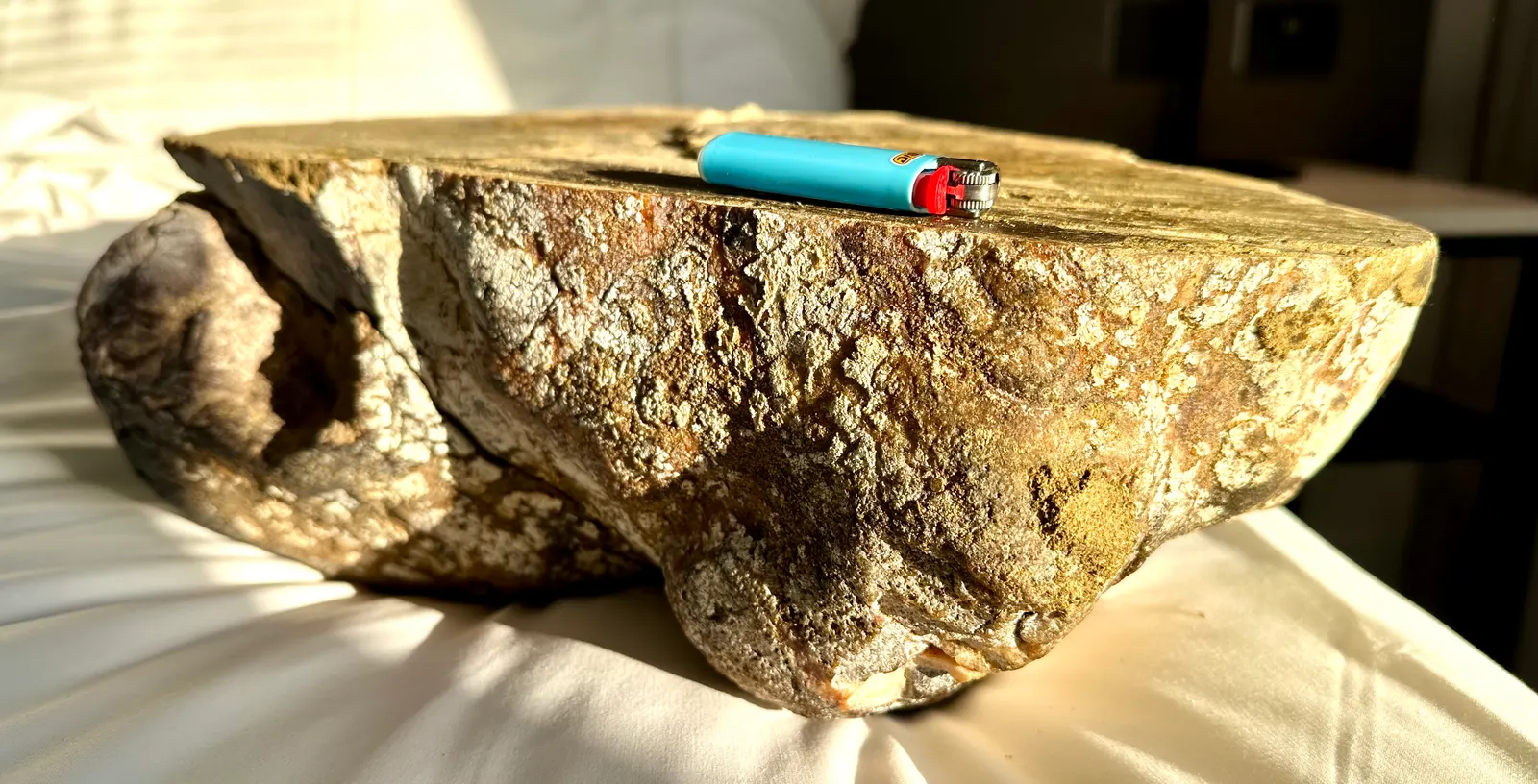
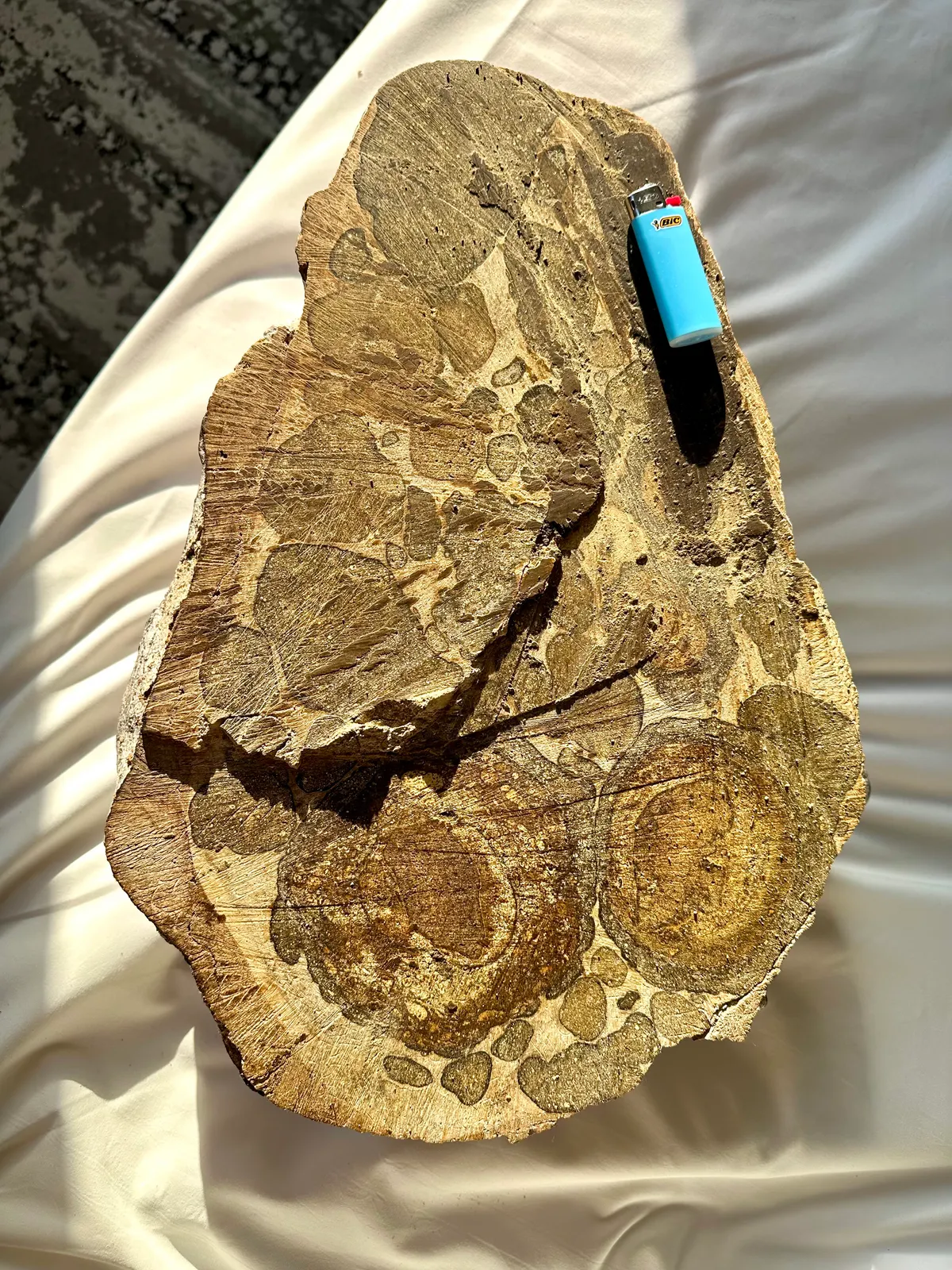
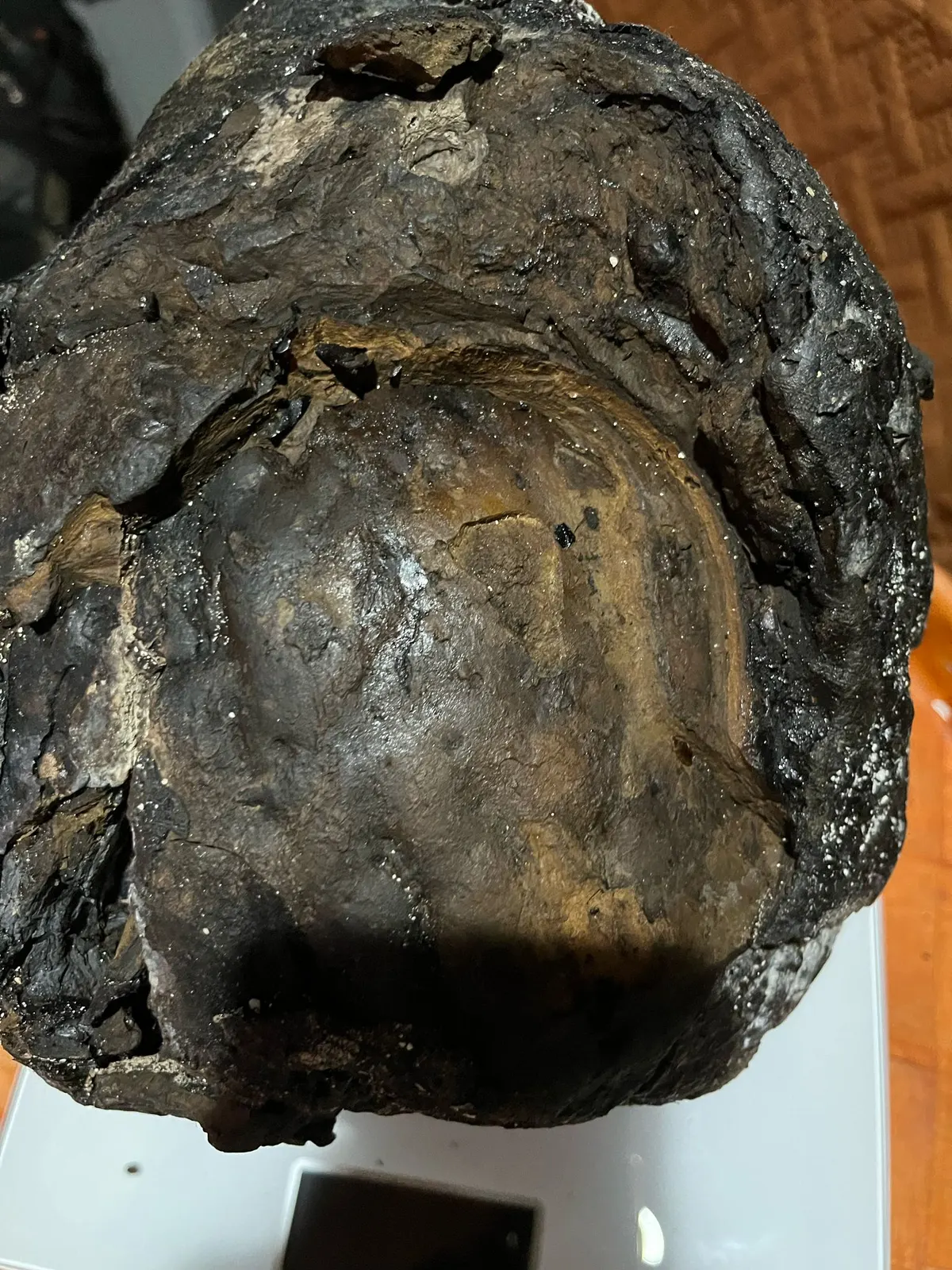
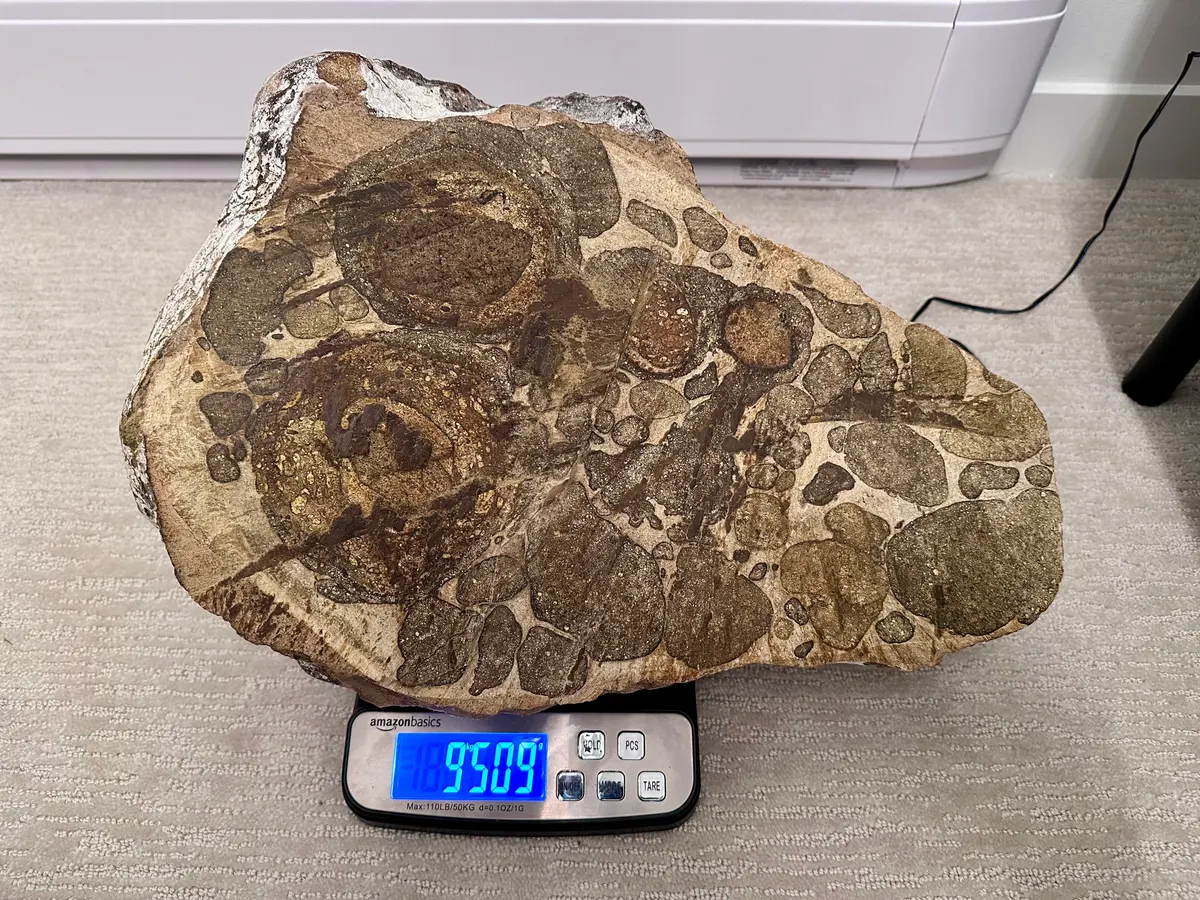
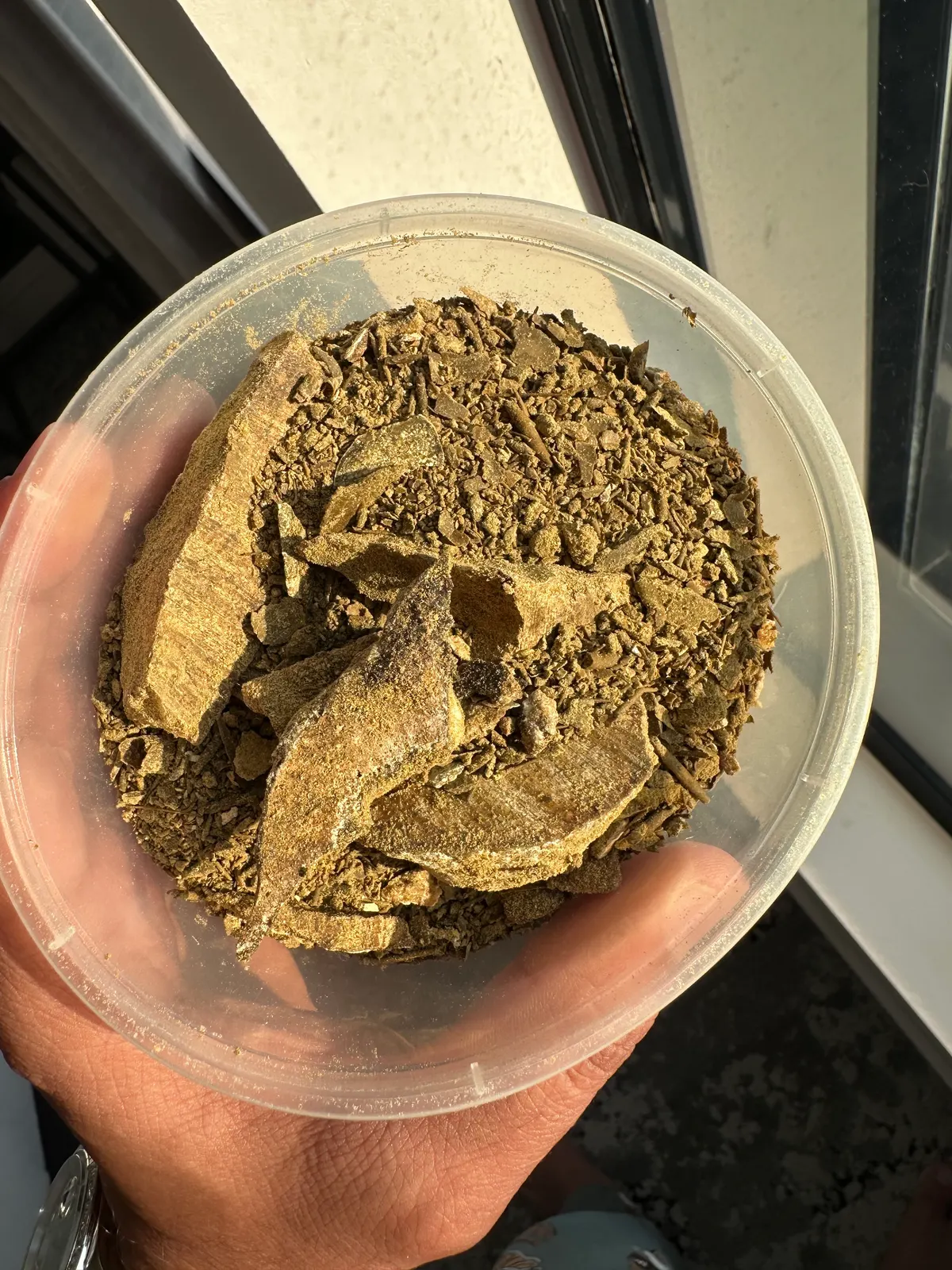
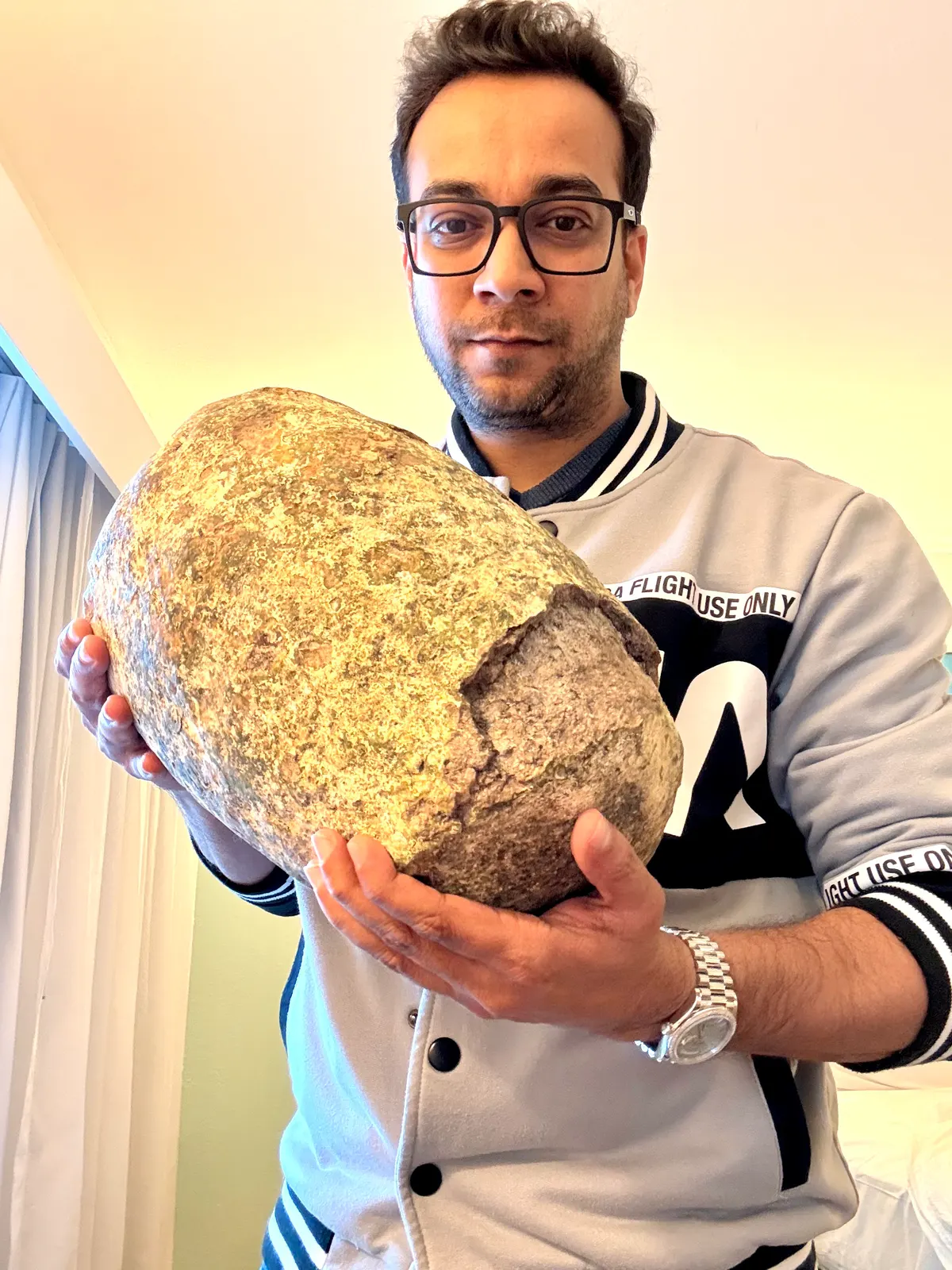
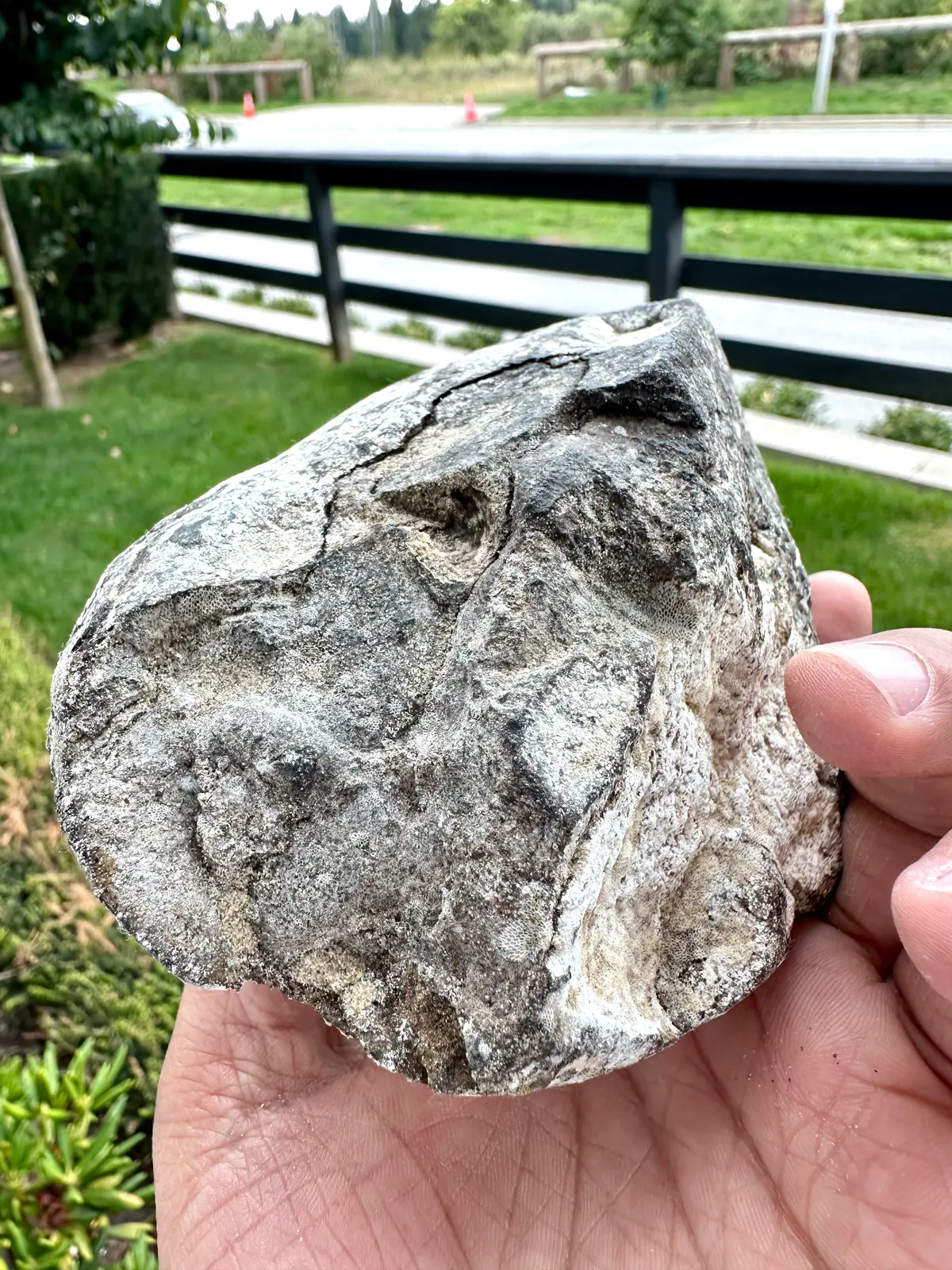
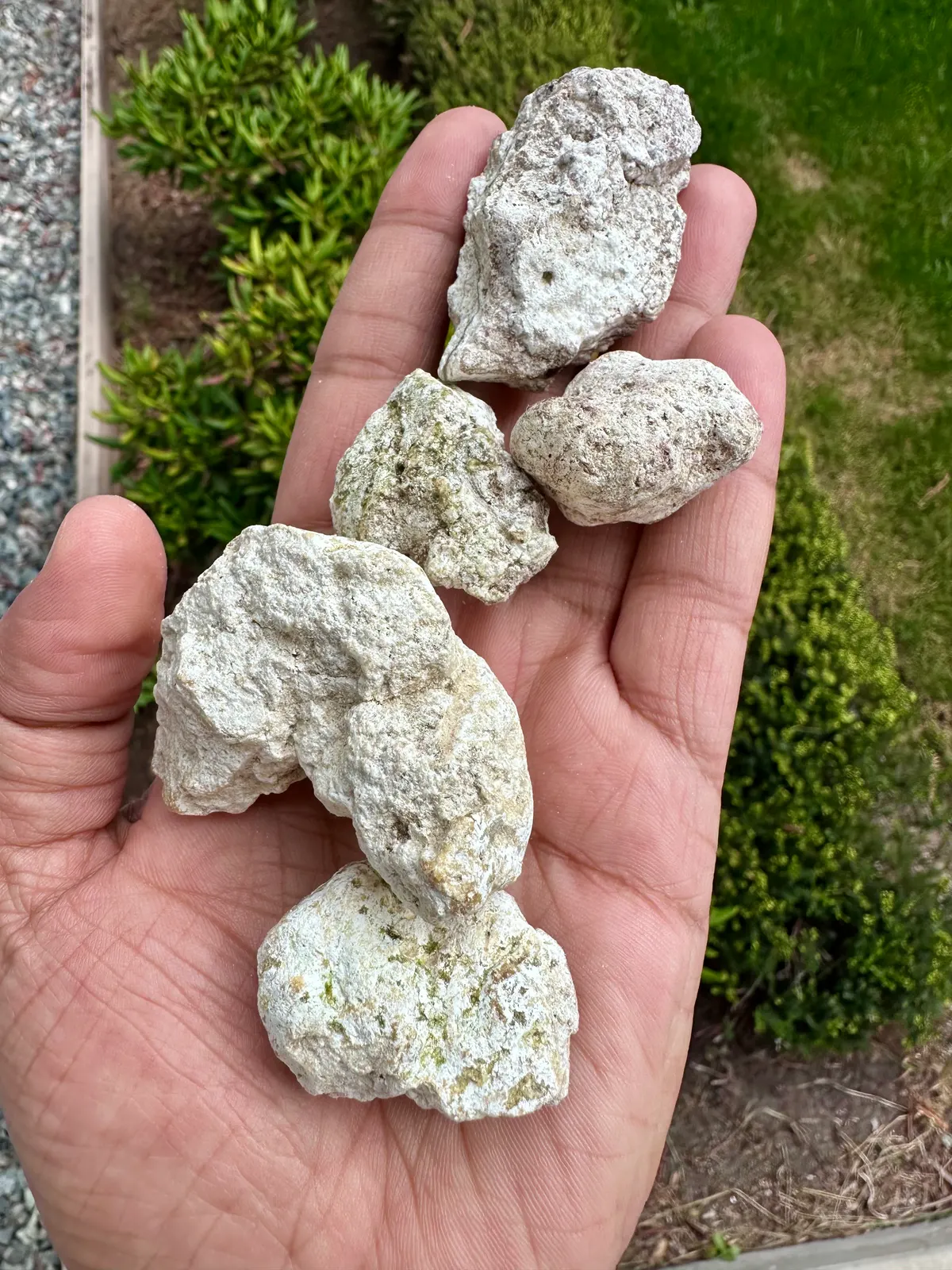
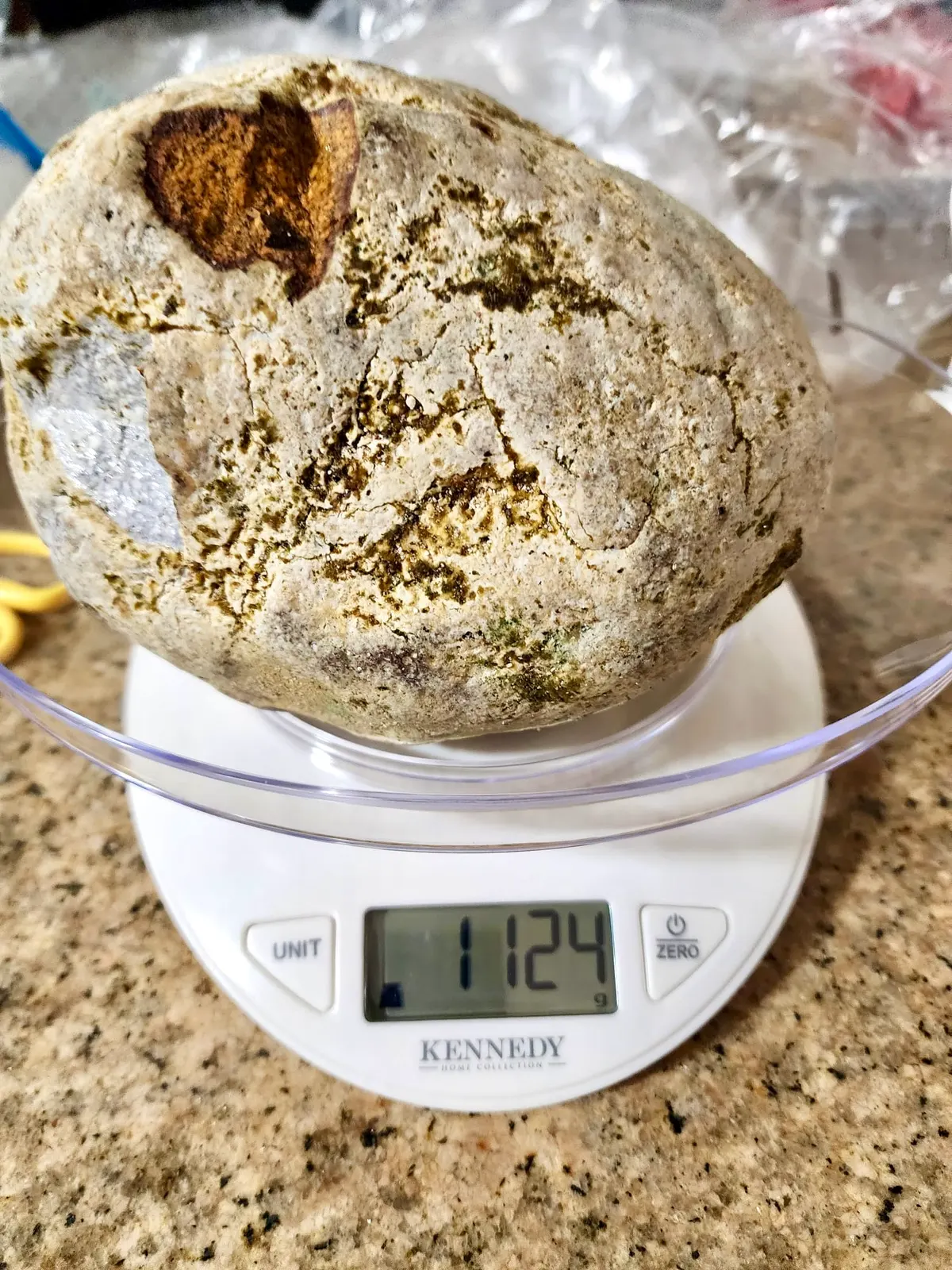
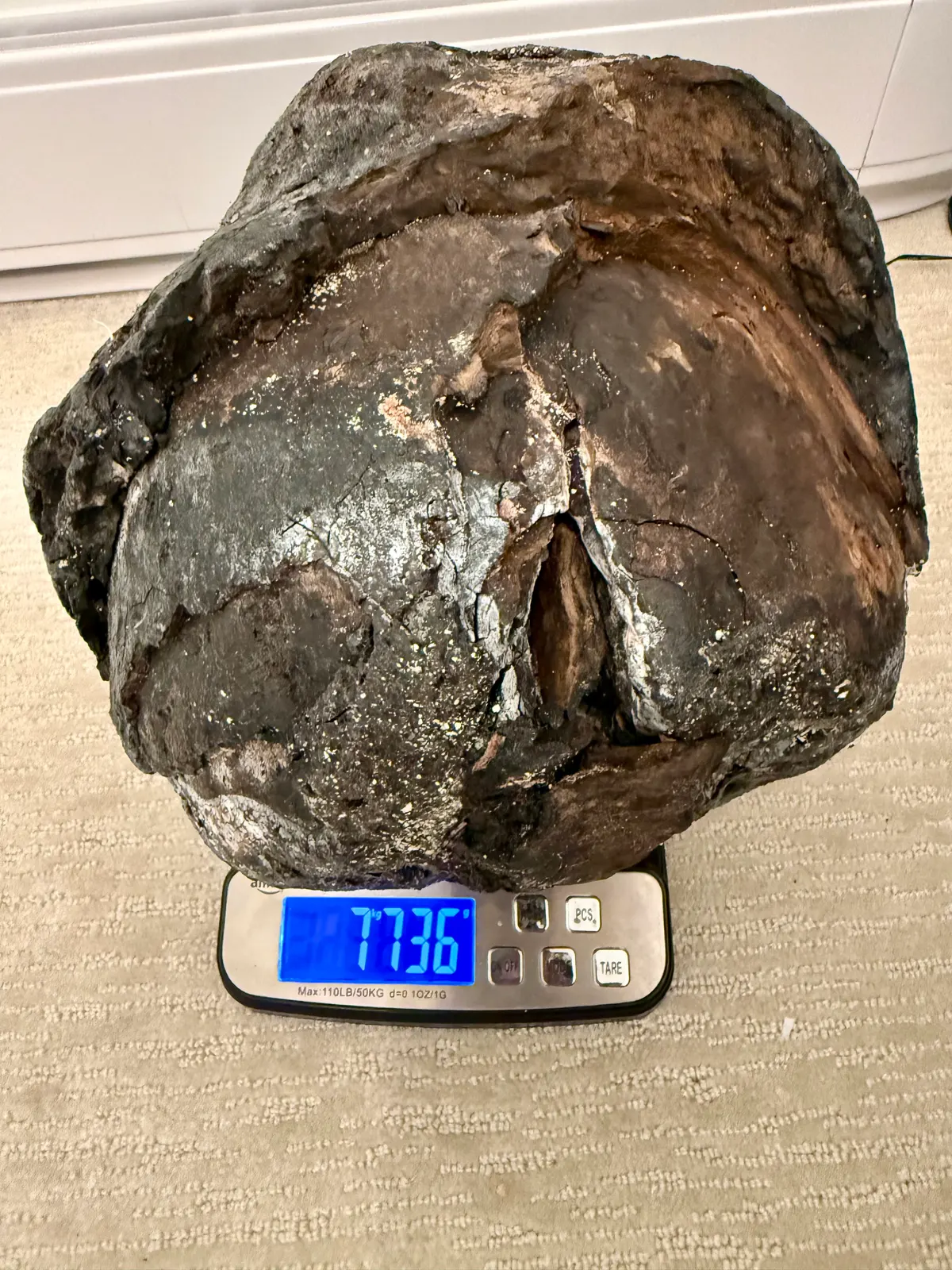
Each piece is unique and authenticated by our expert team with 20 years of experience.
Learn from Expert Videos
Watch our detailed guides to understand what real ambergris looks, feels, and smells like.
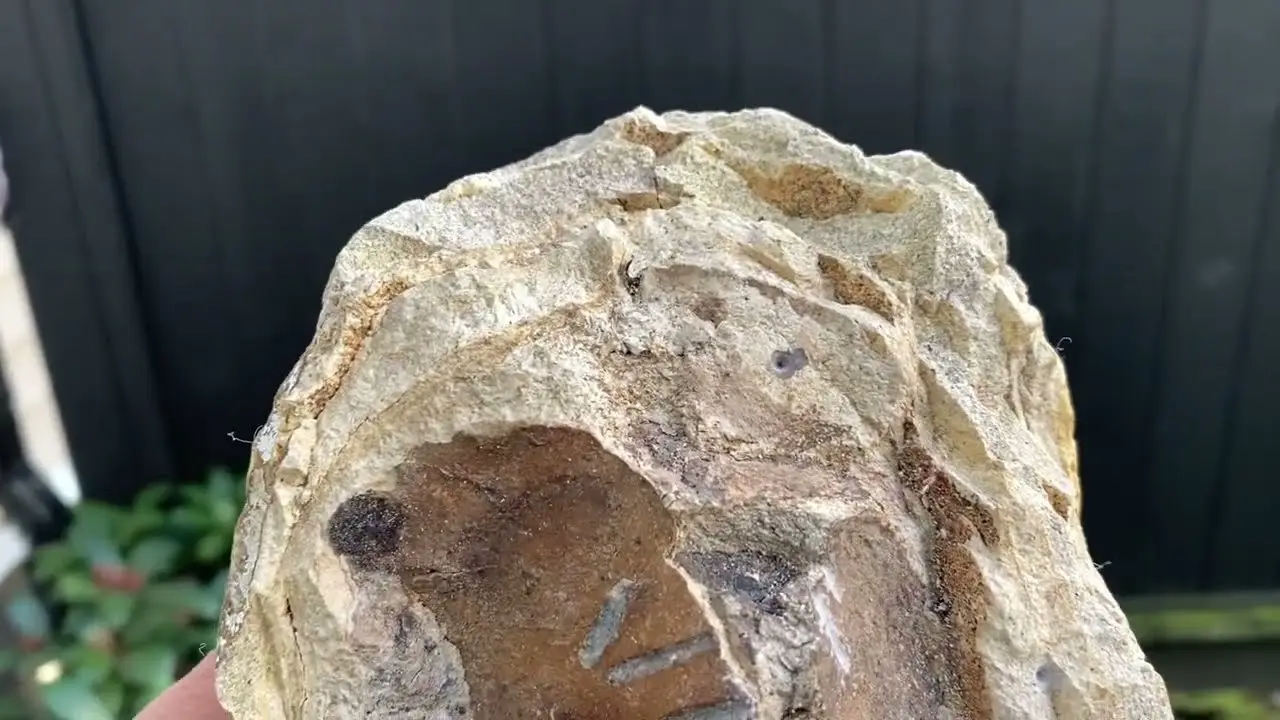
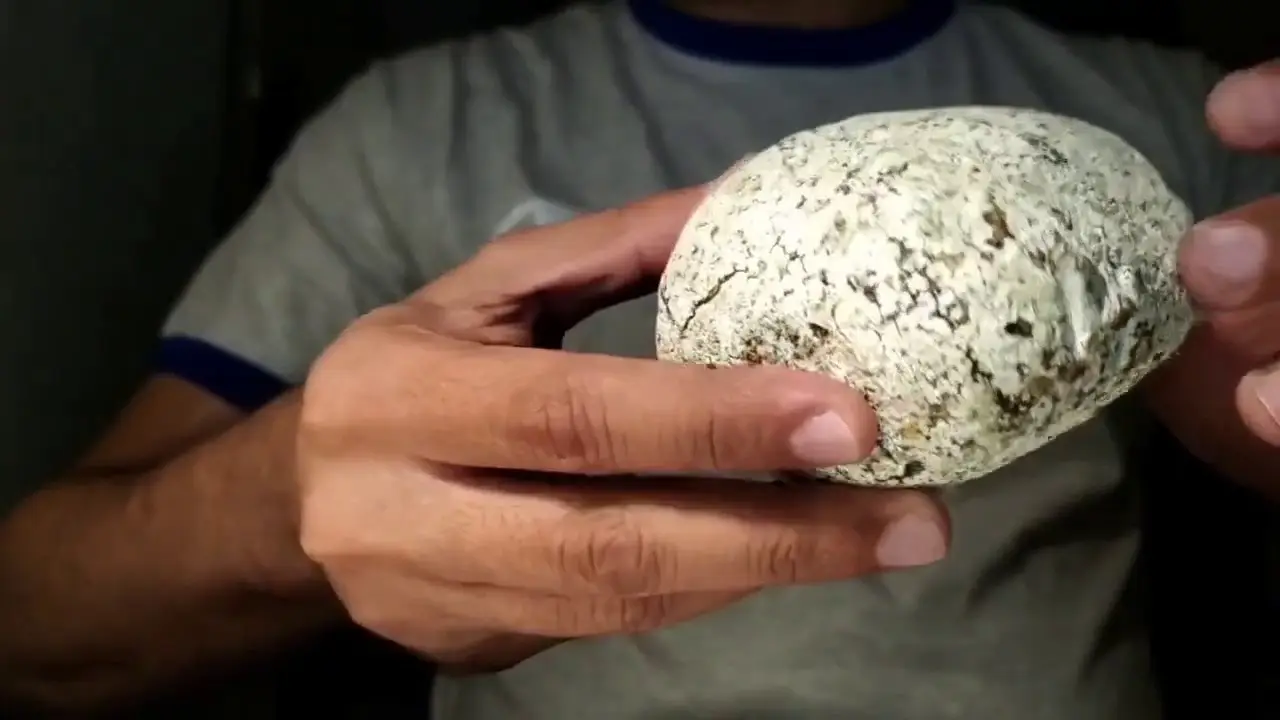
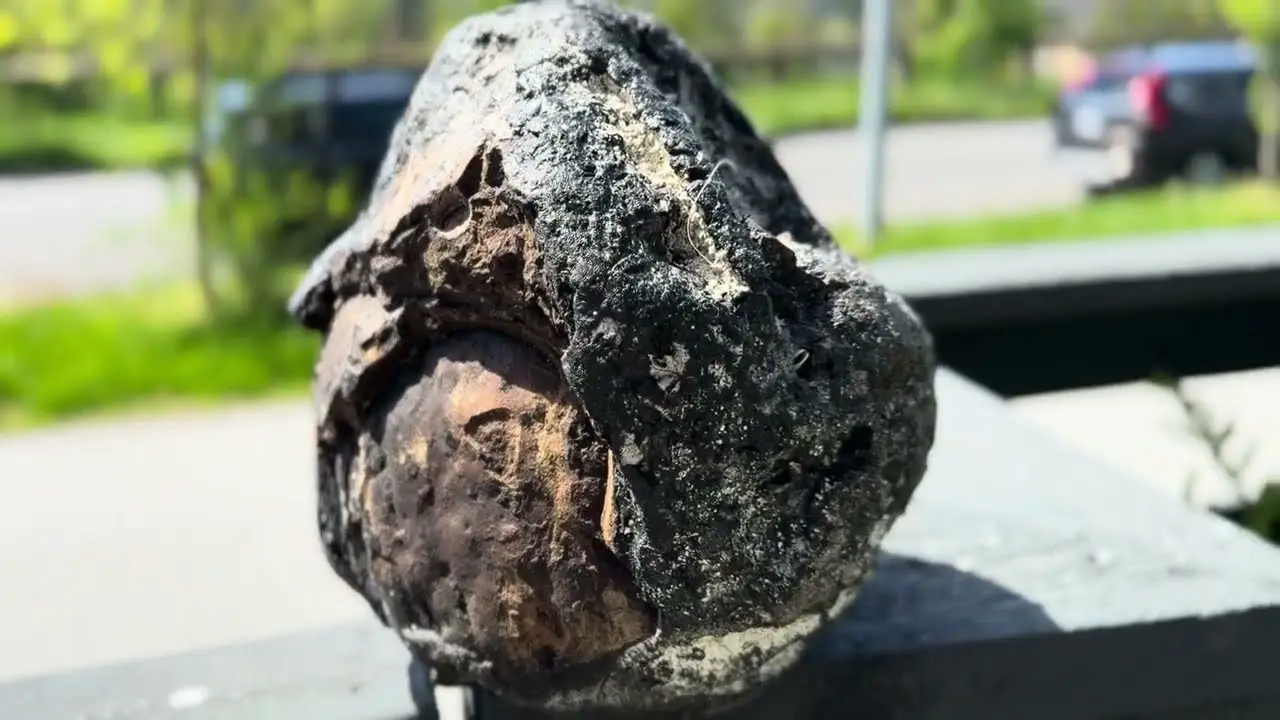
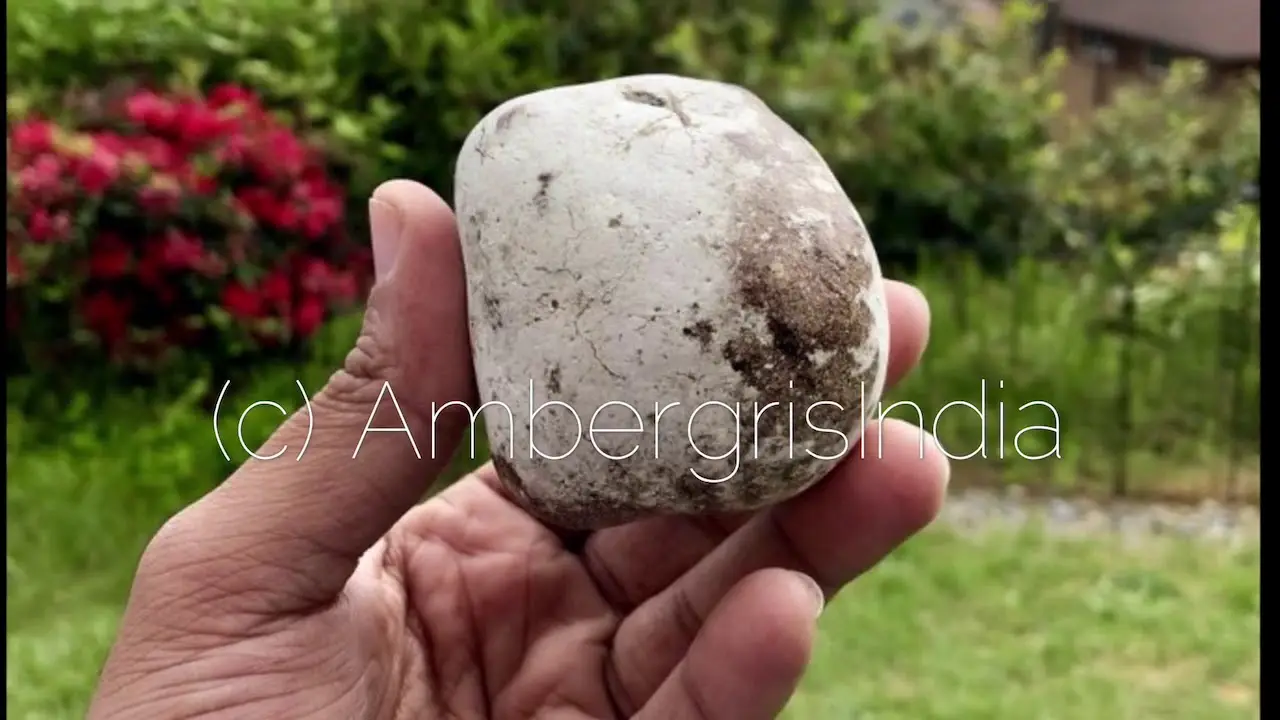
Swipe to explore our expert video guides. Learn from 20 years of ambergris trading experience.
Get Professional Evaluation
Still not sure if you've found real ambergris? We also provide free professional evaluation. Send us high-res photos and details for an initial assessment.
Pro Tip #1
Real ambergris becomes more fragrant when gently heated
Pro Tip #2
Genuine ambergris floats in saltwater but may sink in freshwater
⚠️ Important Warning
Never leave your ambergris submerged in seawater or freshwater. The material will absorb moisture, which can damage its special properties and reduce its value.
Pro Tip #3
Look for squid beaks or other sea debris embedded inside
Still Not Sure? Get a Professional Assessment.
Send us clear photos and we'll give you an honest answer. Free, no obligation, and reviewed personally by Ambergris Canada.
Send Photos for Assessment